Death has always fascinated us — and unsettled us. Myths and legends about what happens to a body after death have circulated for centuries, fueled by fear, curiosity, and a very human need to make sense of the unknown. But how much of what people believe is actually true? The science is both stranger and more grounding than most expect.
Does hair and nails keep growing after death?
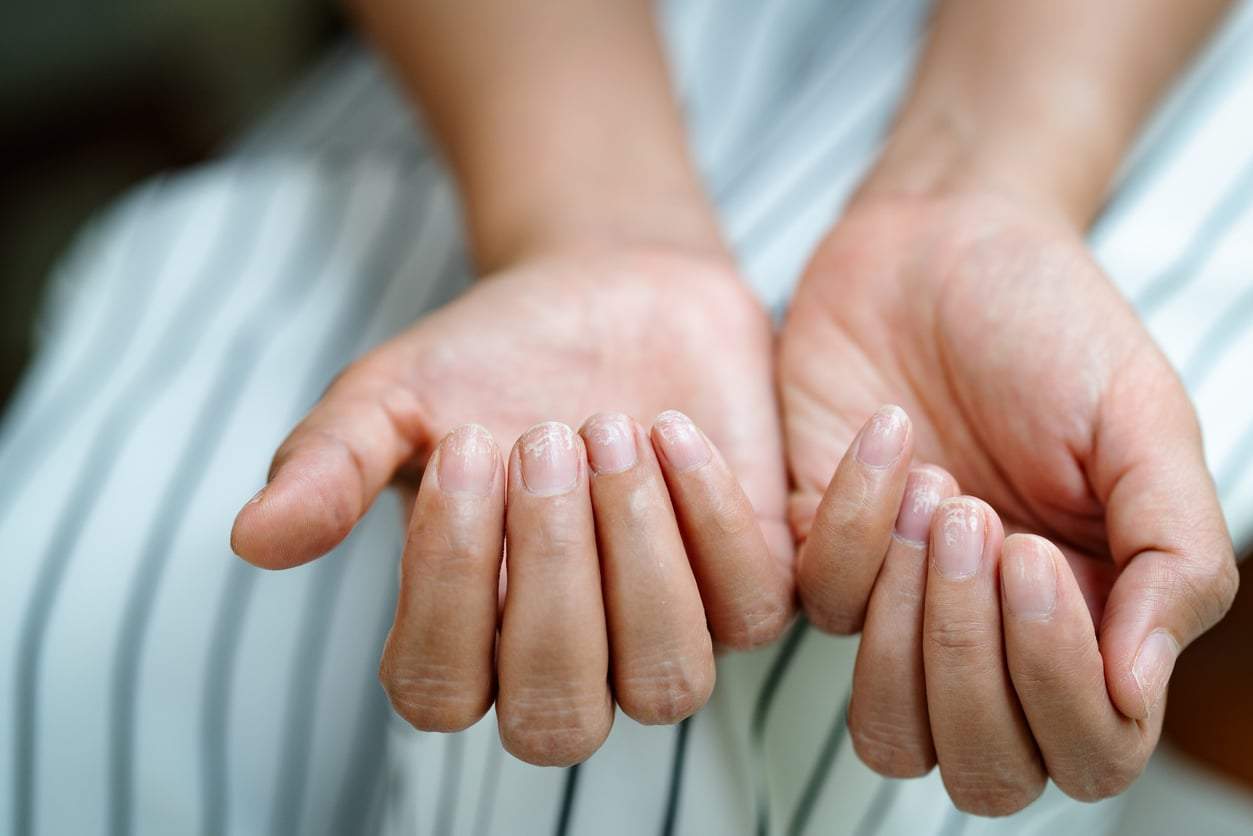
One of the most persistent myths is that hair and nails continue to grow after a person dies. It feels believable — but it isn't true.
What actually happens is far more mundane: as the body dehydrates and the skin dries out, it begins to shrink and pull back from the hair follicles and nail beds. This creates the illusion of growth, when in reality, no new cells are being produced. Growth requires a living metabolism — and that stops the moment the heart does.
Can a dead body really make sounds or move?
This one tends to fuel nightmares — and horror films. But there is a perfectly rational explanation.
After death, the body goes through rigor mortis, a temporary stiffening of the muscles caused by chemical changes in the tissue. As this process reverses and the muscles relax, gases that have built up inside the body can shift position, sometimes producing sounds or subtle movements in the limbs.
Bacterial activity inside the body also contributes to these changes. Unsettling? Perhaps. Supernatural? Not even slightly. These are entirely normal parts of the body's natural decomposition process.
Why does skin change color after death?
The discoloration that appears on a body after death is one of the most visually striking — and most misunderstood — postmortem changes.
Once the heart stops, blood circulation ceases entirely. Without circulation to keep blood distributed throughout the body, gravity takes over and blood pools in the lower regions of the body. This causes the skin in those areas to develop a dark red or purplish tint — a phenomenon known as livor mortis.
Far from being mysterious, this discoloration is actually one of the key tools forensic professionals use to estimate the time of death and determine whether a body has been moved after dying.
Does the body "collapse" or shrink after death?
Some people believe that a body dramatically collapses or loses significant mass shortly after death. The reality is more gradual — but still striking.
As the body's moisture evaporates and tissues dry out, the body does lose volume over time. This slow process can create the impression of the body "sinking" or deflating, particularly in the face and limbs. It's not a sudden collapse — it's simply the beginning of biological decomposition, a process that is entirely natural and follows predictable chemical stages.
Understanding these processes doesn't diminish the weight of death. If anything, it reveals just how precisely and quietly the body winds itself down — a process that has been unfolding, unchanged, for as long as humans have existed.
The body after death is not a place of mystery — it's a place of biology. The myths that surround it say more about our fear of the unknown than about what is actually happening.