Many of us know that magical moment on an early December morning when kids quietly tiptoe to their boots, their faces glowing with excitement, hoping Santa has filled them with something special again this year. Dietitian Alessandra Pirlea says the real magic lies in that moment—not in the amount of chocolate, but in the joy of surprise and the carefully crafted package’s vibe.
That’s why there’s no need for towering piles of sweets. Moderation, quality treats, and a few thoughtfully chosen alternatives can bring the holiday sparkle just as well. Adding nourishing bites, seasonal fruits, or a small personal surprise alongside the chocolate Santa turns the package into not just a tasty gift but a true experience—all while encouraging healthy habits.
What Really Gives the Santa Package Its Magic?
When we asked dietitian Alessandra Pirlea about the principles behind creating a healthier yet joyful Santa package, she pointed out that the holiday sparkle isn’t preserved by the amount of sweets.

“As a dietitian, I see that the experience isn’t about how many sweets there are, but the carefully assembled package, the shiny wrapping, and the joy of surprise. That’s why the key is moderation and prioritizing quality ingredients. A smaller, thoughtfully put-together package can create magic just as well as one overloaded with sweets.”
Nutritious Alternatives Instead of the Classics
The dietitian emphasizes that the solution isn’t total restriction but smart swaps.
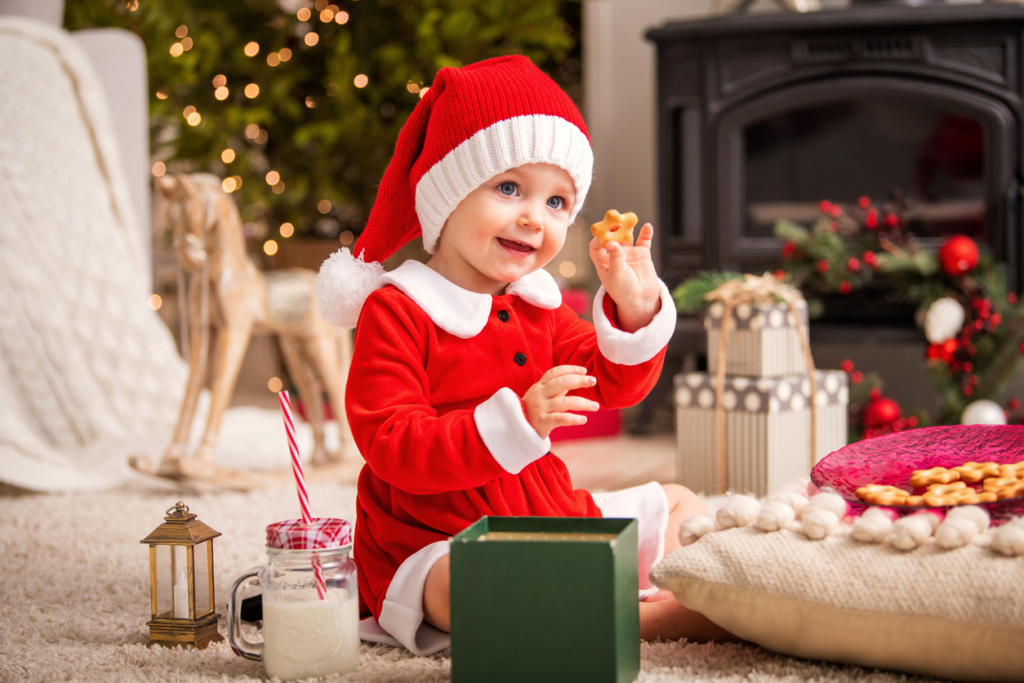
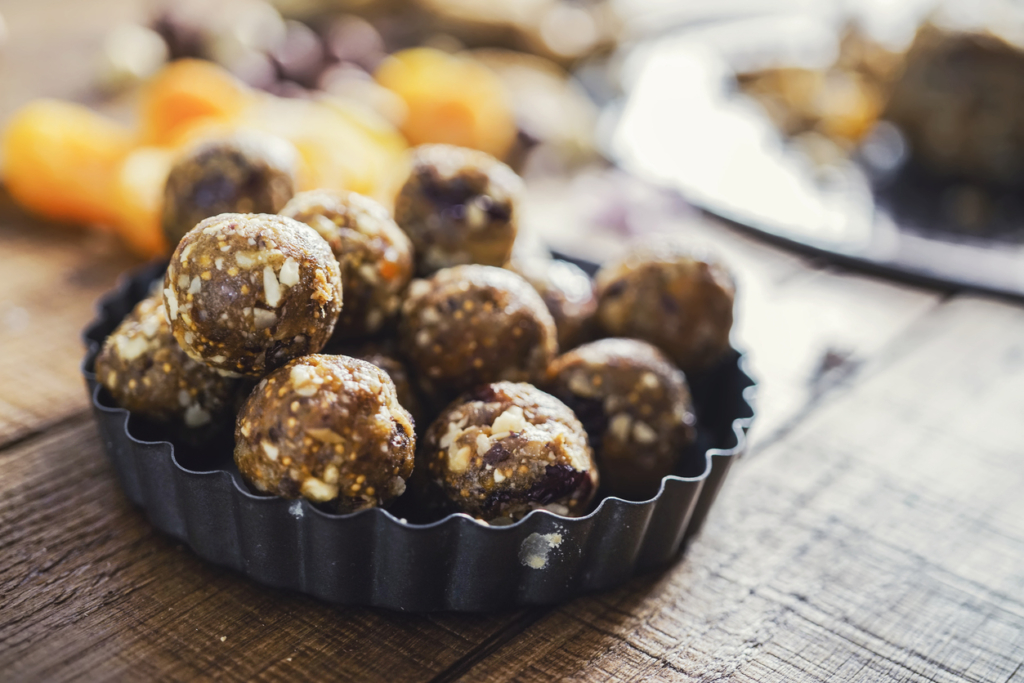
“Dark chocolate with high cocoa content, energy balls sweetened with dates or dried fruits, fiber-rich fruit bars, and dried apple slices are all excellent alternatives for kids and adults alike.
There are also versions of traditional Hungarian holiday candies with short ingredient lists, dark chocolate, or fruit flavors that are much better nutritionally but still bring full festive cheer. Homemade treats are a great option too—it's surprisingly easy to make holiday candies at home with just a few ingredients.”
Balancing Sweets and Mindfulness
Is there an ideal balance between classic sweets and healthier alternatives? The expert says mindset matters more than exact numbers.
“I don’t want to give specific numbers, but I want to stress that moderation and quality are key—not just for Santa packages but in everyday life.
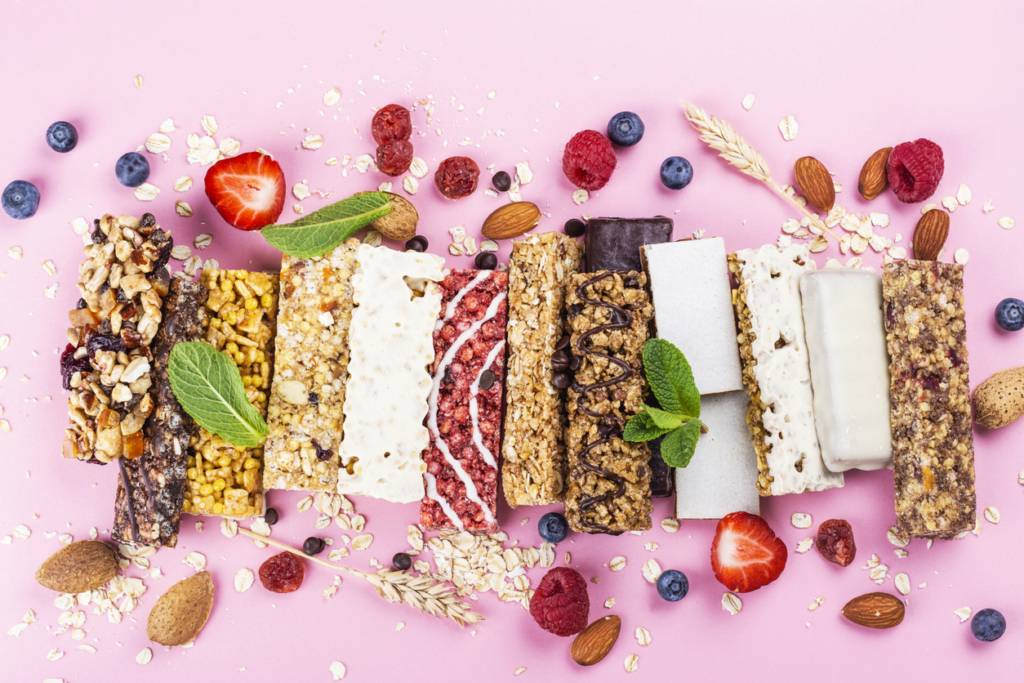
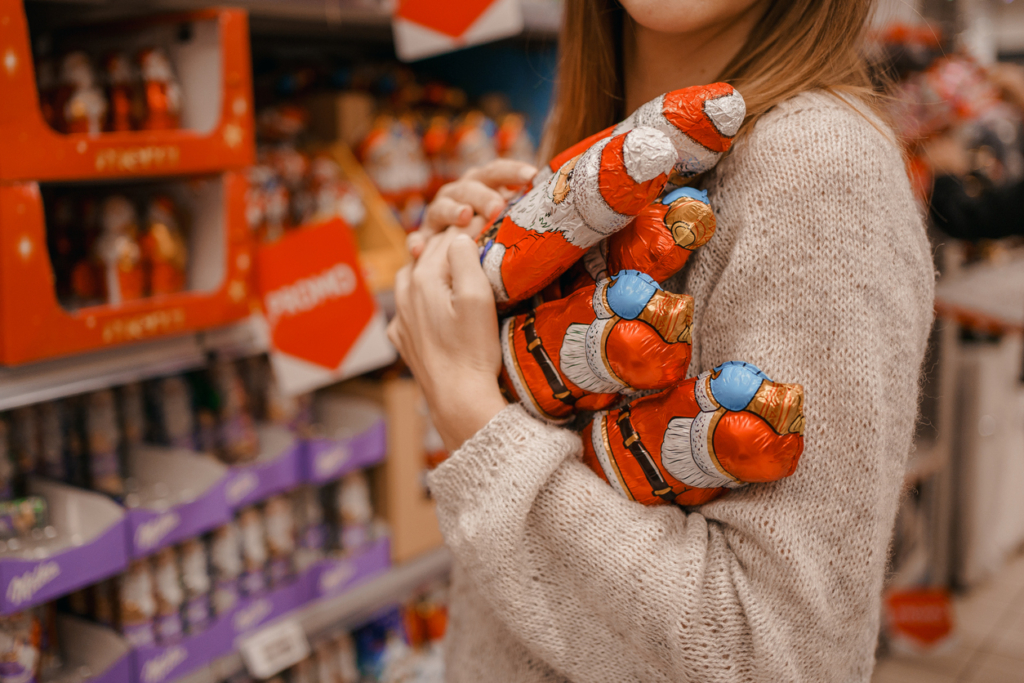
This means there’s room for chocolate Santas and holiday candies in the package, but only in moderation. The rest can be wholesome grain cookies, nut bars, fruits, and other treats with slower-absorbing carbs.
For little kids, it’s especially important to delay introducing added sugars since habits form early. If sugar is constantly present from the start, the child is more likely to become an overweight adult. Let the Santa package be more than just chocolate—add plenty of seasonal fruits too.”
What Makes a Santa Package Quality?
Labels play a big role when choosing contents. The dietitian advises careful selection.
“Short, natural ingredient lists, less added sugar, higher fiber, and fewer additives are all good signs. You can boost the experience with creative wrapping, a personal note, or a small surprise—these often mean more to kids than the sweets themselves. A great gift idea is gingerbread cookie cutters with a handwritten recipe, so parents and kids can make festive treats together.”

Age-Appropriate Packaging Ideas
Alessandra also shares how to tailor the package by age:
- For the youngest (ages 1-3), avoid hard nuts and large pieces. Choose soft snacks, fruits, dried apple slices, baby biscuits, and only minimal chocolate, prioritizing natural sweetness.
- Preschoolers (3-6 years) can have chopped nuts, small chocolate figures, and fruit bars.
- Elementary kids (6-10 years) have more options, and older kids can enjoy quality dark chocolate, nut-enriched bites, or homemade hot chocolate mixes.
Don’t Forget Those with Allergies or Food Sensitivities
Food sensitivities or allergies don’t have to steal the holiday joy. The dietitian stresses careful choices:
“It’s especially important to thoroughly check ingredients and pick products safe for those affected. Gluten-, dairy-, nut-, or soy-free options are widely available now. The special package should look just as thoughtful and festive as the others so the child doesn’t feel singled out.
When possible, it’s safest to prepare treats at home, avoiding cross-contamination to keep the child safe. If that’s not feasible, choose from labeled allergen-free, mostly health-conscious store-bought treats.”
Thoughtful Packaging Gives More Than Sugar
The dietitian believes a mindful Santa package brings more love and attention to the holiday without sacrificing the fun:
“A mindful Santa package doesn’t mean less joy but more care. When the focus is on quality, experience, and moderation, the holiday stays magical for kids while supporting their health.”