It’s interesting how society is becoming more open about body hair (underarms, bikini line, peach fuzz), yet nose hair still feels like a taboo topic. I’d put it in the same category as toe and knuckle hair—still a forbidden subject and underrepresented, even though everyone has it. I’m bold enough to say I’ve tried almost everything imaginable to get that smooth, seal-like skin. If you can think of it, I’ve probably tried it.
But I never found an effective method for nose hair. It didn’t really bother me… until I saw myself under the harsh neon lights of a fitting room. That day, I googled: “how to trim nose hair”, and as if on cue, my TikTok feed was flooded with every possible nose hair trimmer ad. While I know we can technically do whatever we want with our body hair, I’m too deep into this topic to give up now. I truly admire those who feel zero pressure to remove anything (if you’re in that camp, much respect). Wanting to learn more about my options, I gathered expert insights on what nose hair really does, whether plucking or waxing is risky, and the safest ways to manage nose hair.
What’s the Purpose of Nose Hair?
Our bodies are complex, and every part has a role—including nose hair. While some might find it unappealing, nose hair plays an important role in filtering the air we breathe.
Dr. Teresa Song, a board-certified dermatologist, explains that nose hairs trap dust, pollen, and germs before they enter the respiratory system.
Dr. Dara Spearman, also a board-certified dermatologist, adds that they help prevent debris from reaching the mucous membranes and ultimately the lungs. In other words, nose hair is a vital part of the body’s natural defense system.

What’s the Safest Way to Remove Nose Hair?
Preparation
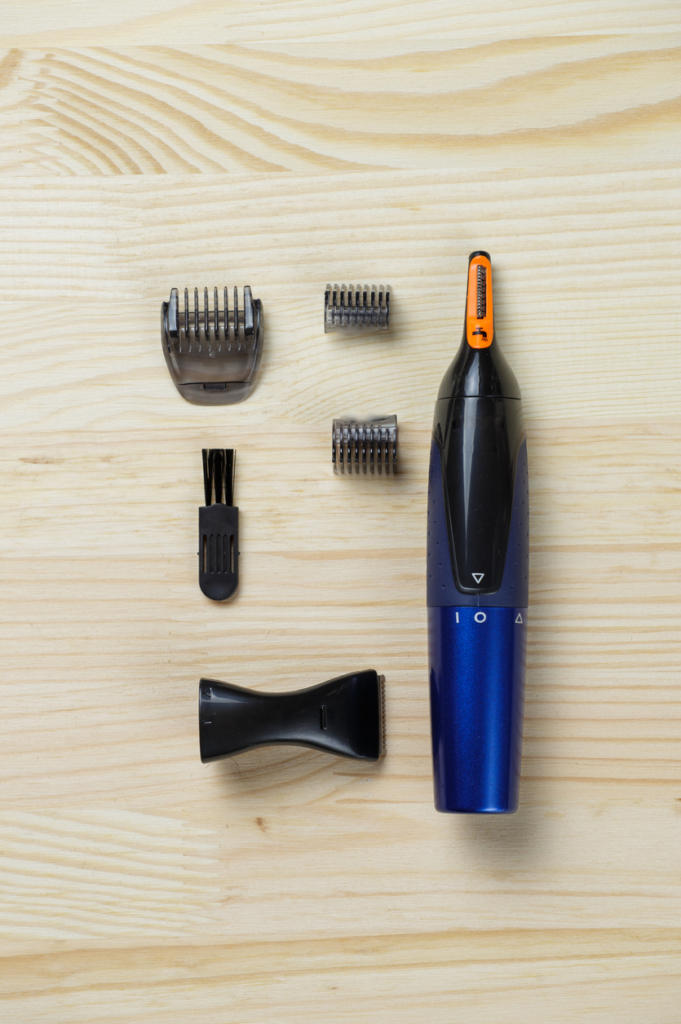
Before you start, make sure your trimmer or scissors are clean. Good lighting and a mirror are essential to see exactly what you’re doing. Trimming nose hair is usually simple, and once you get the hang of it, you can maintain it every 1–2 weeks.
Use the Right Tool
Experts agree that trimming is the safest method. “You can trim nose hair if it’s long and sticking out. Just make sure the trimmer is designed for this purpose, clean, and used gently to avoid injury,” says Dr. Spearman.
Trim Carefully
Work slowly and only target visible hairs extending beyond the nostril never go too deep. Dr. Spearman warns that excessive trimming can cause irritation and disrupt the nose’s natural filtering system. “You can also use small scissors for hairs that aren’t long enough for the trimmer,” she adds.
When Should You Trim?
There’s no strict rule. “Trim as often as you like, as long as you use proper technique and keep everything clean,” says Dr. Farishta. “Avoid trimming if you suspect any infection.”
Aftercare
When you’re done, rinse your nostrils with warm water to remove loose hairs. “Avoid picking or touching to prevent irritation,” recommends Dr. Song.
Plucking Nose Hair Is Dangerous. This Is Not a Myth.
Dr. Spearman and ENT specialist Dr. Daniel Z. Farishta note that scissors and electric trimmers can be safe if hygiene is maintained. “Clean your tools with alcohol before and after each use.”
Is It Risky to Pluck or Wax Nose Hair?
Unfortunately, concerns are real—plucking or waxing nose hair can cause problems. Dr. Spearman says, “Plucking nose hair is dangerous. This is not a myth.” She explains that nose hairs act as natural filters, so removing them at the root makes us more vulnerable to inhaling harmful particles and allergens. Trimming, on the other hand, is generally safe because it doesn’t remove the hair completely.
“Hair removal can lead to ingrown hairs that may become inflamed or painful. Since the nose harbors many bacteria, plucking can transfer them to the skin, and from there into the bloodstream and even the brain, potentially causing serious infections,” she adds. Dr. Song points out the rich blood vessel network at the base of the nose, part of the face’s “danger triangle” stretching from the corners of the mouth to the bridge of the nose. Infections here, though rare, can travel to the brain through veins.
“Plucking can cause folliculitis, ingrown hairs, and mucous membrane inflammation. Waxing carries similar risks since it pulls multiple hairs at once and can damage the delicate skin inside the nose, increasing infection risk.”
If you’ve already plucked or waxed your nose hair, don’t panic, but experts advise avoiding it in the future. “Signs of infection include pain, redness, bumps, discharge, or pus. If you notice these, see a doctor immediately to start antibiotic treatment.”
What to Look for in a Nose Hair Trimmer
Experts agree that a well-chosen and maintained nose hair trimmer is safe. Dr. Spearman recommends a device with rounded tips and oscillating blades to minimize direct skin contact. “Always ensure the blade is clean and never share your trimmer.” Dr. Song suggests a model with rounded safety tips or protective covers to avoid injury. “Waterproof designs are a plus for easy cleaning. Stick to trusted brands like Philips or Panasonic, and disinfect the cutting head regularly.” You can do this by removing the blade, rinsing it under warm water, then soaking it in isopropyl alcohol for a few minutes.
Is It a Good Idea to Remove Nose Hair?
Experts generally advise against plucking or waxing nose hair. Dr. Camp explains that the inside of the nose is lined with mucous membranes, and nose hairs play a crucial role in catching debris, pollutants, and bacteria, keeping them away from these delicate tissues. “Waxing can damage this membrane and make the skin more prone to infections and inflammation.” If you want to manage your nose hair for aesthetic reasons, trimming regularly and keeping your tools clean is the safest approach. But if you follow expert advice, there’s no reason you can’t keep your nose hair in check—if that’s what you want.