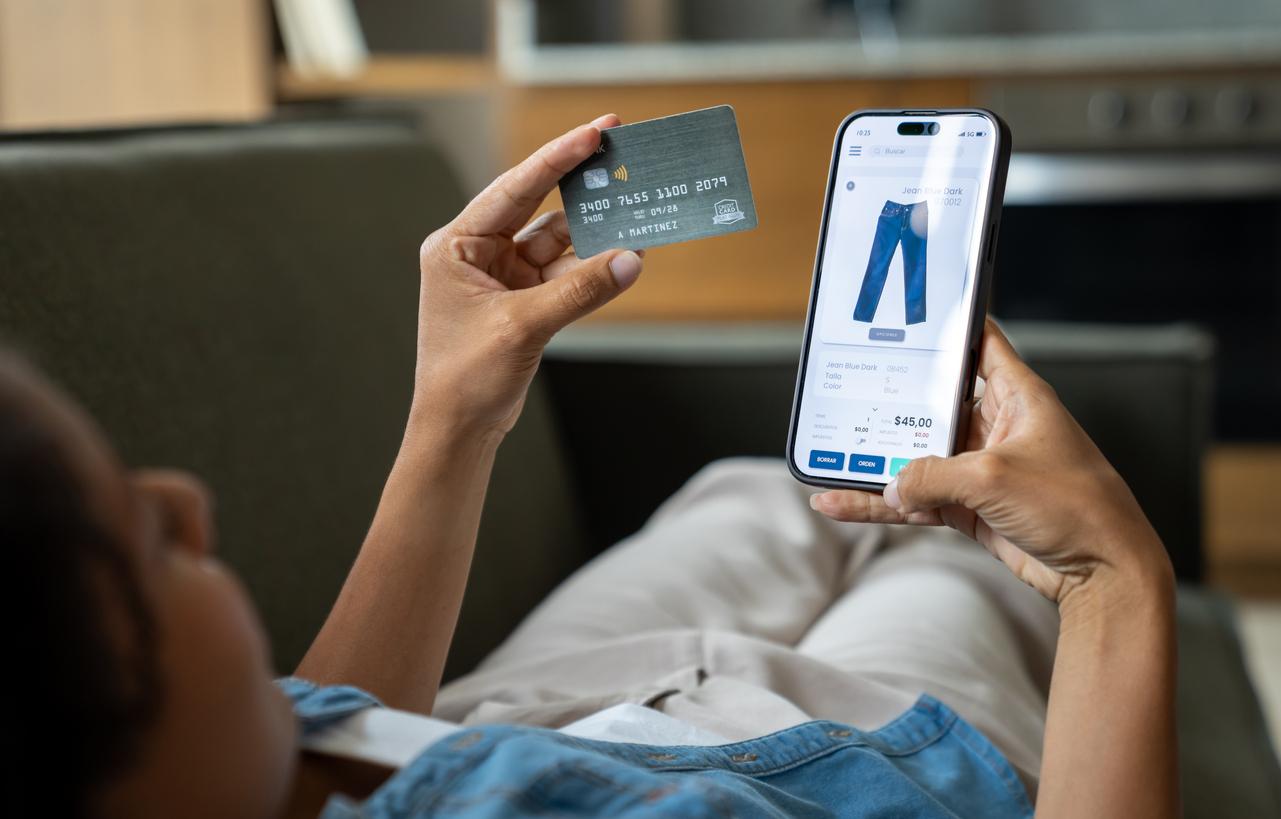
For many of us, browsing online stores isn’t really about buying. It’s more like an automatic way to relax, some much-needed me-time. It’s no surprise the term "retail therapy" exists—there’s definitely something soothing about it.
“Shopping activates the brain’s reward center, releasing dopamine,” explains clinical psychologist Kate Cummins.
That’s why jumping from page to page can feel oddly exciting. But why does this experience so often turn into guilt, regret, and emptiness? Psychologists were asked why online shopping can drain us—not just financially but emotionally—and what we can do to make it truly enjoyable.
1. The Paradox of Choice Is Exhausting

The internet offers practically endless brands, shops, and products. It’s not just the huge selection but also the flood of information: deals, reviews, material descriptions, size charts, comparisons—all while you can’t touch or try the product.
“Research shows the paradox of choice exists,” says marketing researcher Diedre Popovich. “We love having options, but too many lead to decision paralysis.”
Plus, brands today don’t just sell products—they sell a lifestyle. The promise that owning this will make everything better. A $6 organizer will bring order to your life. Those trendy jeans will help you love your body. But it rarely works that way—the result is often stress, anxiety, and uncertainty.
2. Online Shopping Can Be a Huge Time Sink

In theory, online shopping is faster and more convenient: no need to go out, wait in lines, or try things on. In practice, “just browsing” can easily stretch into hours.
This ties into the flow state—when you get so absorbed in something that time flies by unnoticed. It’s the same with video games or endless scrolling on your phone. Before you know it, half the day is gone—and you might not even have a single item in your cart. That’s especially frustrating when you feel like you’ve lost so much time but have nothing tangible to show for it.
3. The Pressure to Be a “Good Shopper” Is Growing

The social conversation around shopping has shifted. Sustainability, reducing overconsumption, and second-hand trends are more important than ever. This is a positive shift but also adds new pressure.
Every purchase means weighing: Is it ethical? Sustainable? Worth the price? Good quality? Do I even like it?
A 2017 study found that the more we know about sustainability, the more internal tension and decision difficulty shopping brings.
How to Make Online Shopping a Better Mental Experience
Kate Cummins says the key is goals and boundaries. If you’re looking for something specific—like a coffee maker or shoes—focus only on that. Even better, clarify your criteria beforehand.
Popovich suggests asking yourself questions: What color works? What heel height is comfortable? What price range fits your budget? And simply avoid clicking on anything that doesn’t meet these.
Sticking to a few trusted brands and setting a time limit can help prevent your evening from slipping away in endless browsing.
If you feel overwhelmed, experts recommend literally stepping back. Put down your phone, stand up, move around a bit—even a few minutes of walking around your home can help “reset” your brain and return to decisions with a clearer mind.
It’s also important to honestly check why you’re shopping. If you regularly feel shame, guilt, or low mood afterward, online shopping might be an unhealthy coping mechanism. Warning signs include uncontrolled spending, unnecessary purchases, or using browsing to avoid tough feelings. If this sounds familiar, consider reaching out to a professional.
But if there’s no deeper issue, your resistance to online shopping could be a helpful signal: you probably don’t need more stuff. And when shopping is truly justified, a little mindfulness can help make it a time and energy booster—not a drain.