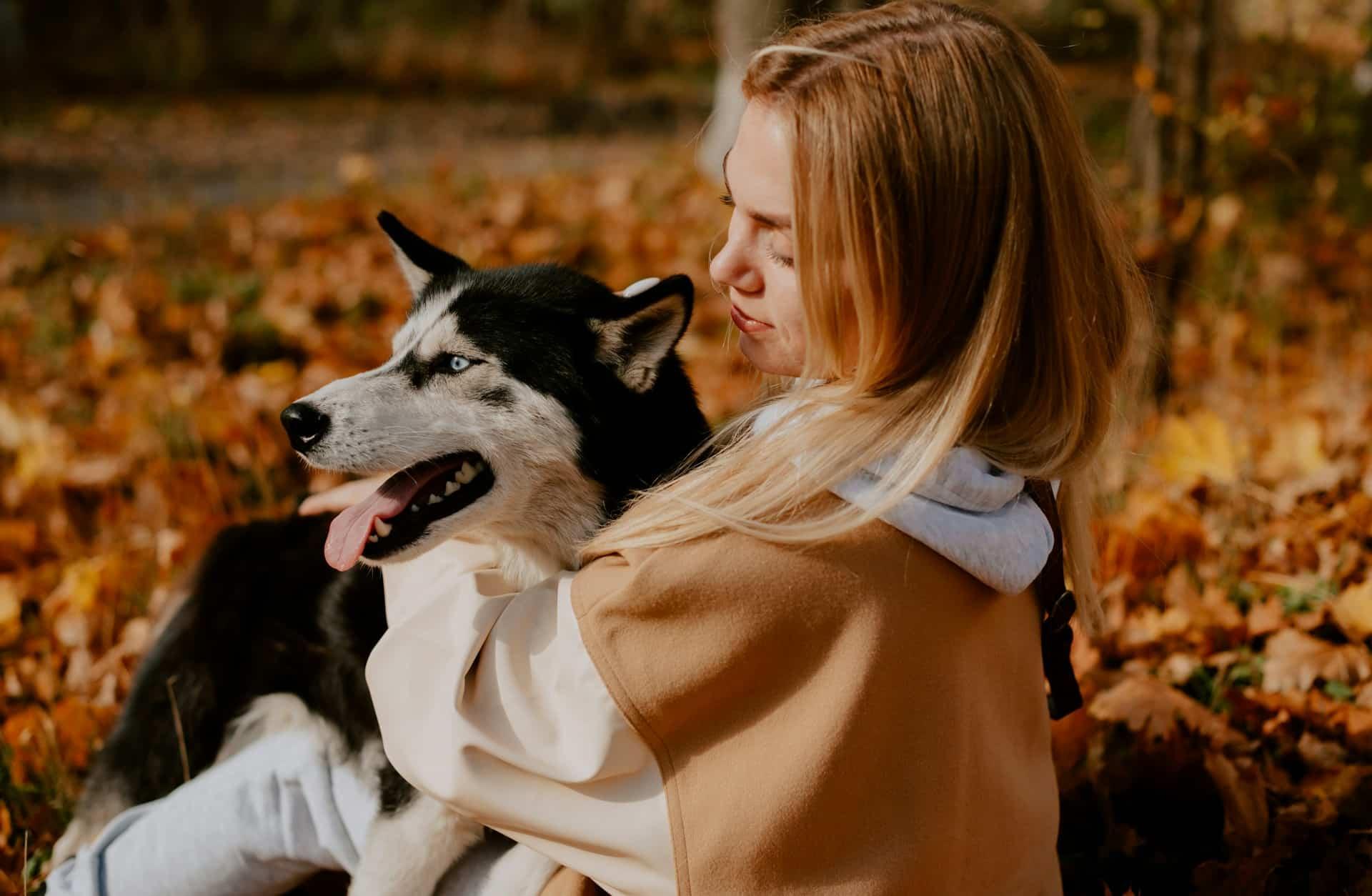
Unlike human relationships, which can be complex and full of misunderstandings, the bond with a dog is often clear and direct. Dogs are highly attuned to human emotions; they often sense when their owner feels anxious and offer comfort just by being there. This intuitive understanding can ease loneliness and stress, creating a sense of belonging and acceptance, and providing a safe space in a world that can often feel strange and hostile.
Dogs and Mental Health
The mental health benefits of dog ownership are well documented. Studies show that interacting with dogs lowers stress, reduces blood pressure, and boosts oxytocin—the hormone linked to bonding and love. For those struggling with depression or anxiety, a dog can be a reliable source of comfort and companionship, helping to ease feelings of isolation.

How Dogs Help Build a Sense of Safety
Like human attachment patterns, dogs provide their owners with a sense of security. This is especially true for people with insecure attachment styles who find it hard to trust or rely on others.
The predictable and steady presence of a dog can be a calming refuge, helping create a safe base from which other emotions become easier to manage.
That said, dogs can’t fulfill every aspect of a secure attachment in the human sense. They offer a safe haven where people can retreat when anxiety strikes but don’t support the exploratory side of attachment—like goal-oriented partnerships that help people find new ways to master their environment.
Dogs also can’t provide the verbal reflections that help us feel truly understood in the human world. But these differences don’t diminish the important role dogs play in emotional safety.
In some cases, pets may even create more secure attachments than people do. Research shows that attachment to pets can be measured similarly to human attachment, though it might not always match it.
For example, someone who avoids close partners might still enjoy warm, loving interactions with their dog. Offering love and warmth to a pet can help people learn to do the same with others over time. Pet owners generally show lower levels of anxious attachment compared to those without pets.
Dogs as Social Interaction Catalysts
Beyond individual attachment, dogs can spark social connections and serve as bridges to human relationships. Dog owners often notice that their pets attract attention and start conversations during walks, at dog parks, or in other community settings.
Dogs are especially helpful for people who struggle with social anxiety or find it hard to make new connections, providing an easy and safe topic to break the ice.