Where we live can deeply impact our health, including the risk of developing cancer. Often overlooked, our daily environment—especially when air pollution is high—plays a big role in how likely we are to face this serious illness.
Air Pollution and Its Effects
Air pollution is one of today’s biggest health threats, linked to many illnesses, including various types of cancer. In cities where the air is often filled with harmful particles and gases, residents face ongoing exposure to these damaging effects.
Studies show that fine particulate matter, often caused by industry and traffic, is directly linked to increased risks of lung cancer and other respiratory diseases.
Air pollution isn’t just a big-city problem. Smaller towns near industrial sites or busy highways also face these challenges. People living there often report poor air quality, which can pose serious long-term health risks.
Big Cities at Risk: A Statistical Snapshot
Data shows city dwellers are more prone to health issues caused by air pollution. For example, WHO reports regularly highlight that air quality in many major cities worldwide falls far below safe limits, leading not only to more respiratory problems but also to higher rates of heart and vascular diseases.
The urban lifestyle—often paired with stress, less physical activity, and unhealthy eating—further raises the chances of these illnesses.
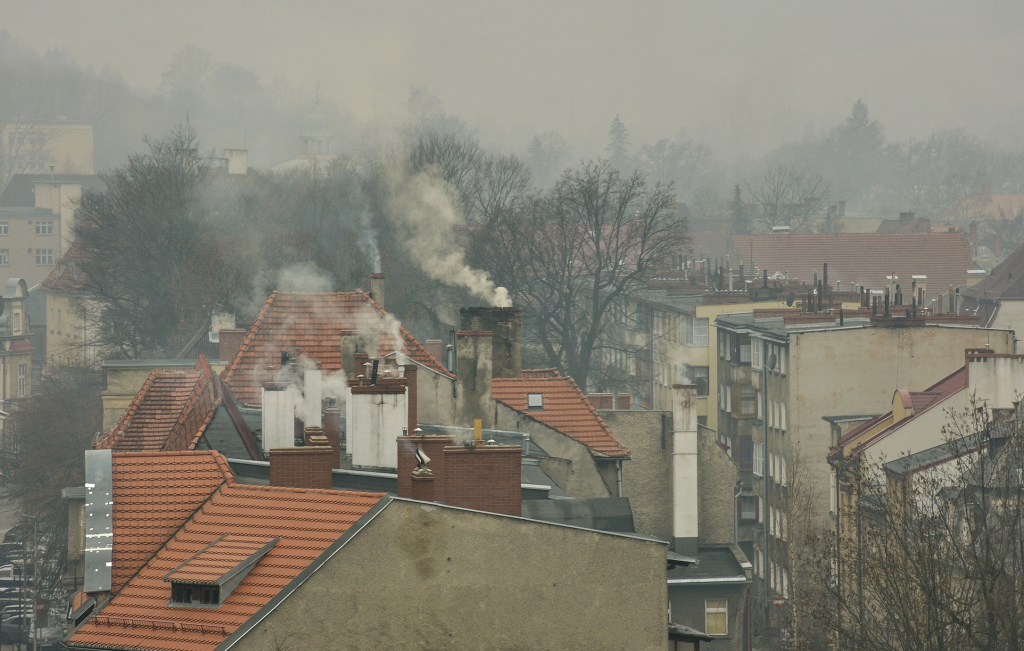
Dangers Around Industrial Areas
Health risks also rise near industrial zones, especially when local factories don’t meet emission standards.
These areas often contain hazardous substances that, with long-term exposure, can have serious consequences, including cancer-causing effects. Industrial pollution threatens not only nearby residents but also those farther away, as winds can carry pollutants over long distances.
What You Can Do If You Live in a High-Risk Area
If you live where air pollution is high, consider moving if possible—especially if your family’s health is a top priority. When moving isn’t an option, there are still ways to reduce risks.
Improving your home’s air quality with air purifiers or plants that clean the air can help. Also, spending free time in places with fresher air can lower your exposure to pollution.
Moving for health reasons can be tough, but knowing the risks in your environment and taking steps to protect yourself and loved ones from air pollution can significantly lower your chances of cancer and other lifestyle-related diseases. Remember, every small step counts toward keeping your health strong.