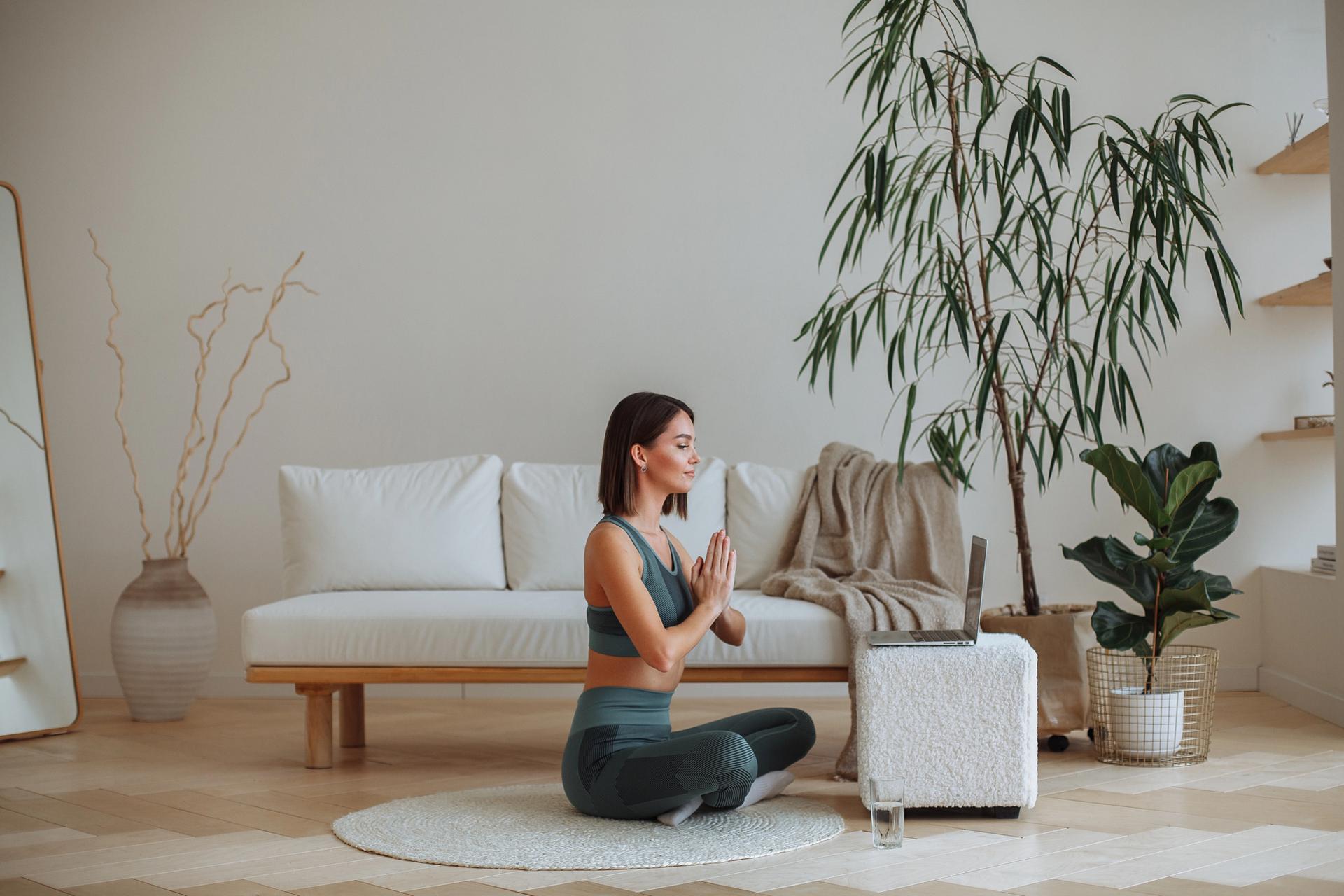
January. The month of fresh starts. It’s packed with resolutions, challenges, and bold promises: 30 days without sugar, daily workouts, losing 20 pounds by spring. In those first weeks, it feels like flipping the calendar page can launch a whole new life.
While this season gives many a boost, just as many end up tired, guilty, and disappointed, giving up on big plans after a few weeks. I was one of them. But today, I know I simply chose the wrong approach to change.
The Downside of January’s Momentum
Goals are great. In fact, self-reflection and re-planning are truly healthy habits. Many feel a real pressure to change in January: after the holidays, in the middle of winter, the idea of a lifestyle shift shows up as an inner push.
The problem starts when this change arrives as a tough challenge with strict rules. When it ignores our reality, pace, and current life situation, forcing a one-size-fits-all template. That’s when it quickly becomes a burden: you must work out, can’t eat this or that, have to keep up. And what if you miss a day? Guilt kicks in immediately. From experience, this rarely leads to lasting results.
When I Realized This Wasn’t My Path
I used to make New Year’s resolutions too. I tried different challenges, was enthusiastic and determined, then burned out after a few weeks. Not just physically, but emotionally. The rules felt tight, the “musts” stole the joy, and every small slip felt huge.
It took time to understand: it wasn’t me, but the method I chose that was the problem. My lifestyle wasn’t suited for rigid frameworks. And more importantly: I didn’t want to live by constantly forcing strict rules on my daily life.

Connection to Myself Instead of Challenges
In recent years, lifestyle change has become more important to me—but from a very different angle. I realized lasting change happens when I see it as a process, not a challenge. A process with good and not-so-good days, where balance—not perfection—is the goal.
I started thinking in small steps. I allowed myself not to do everything at once. And perhaps most importantly: I learned to forgive myself.
What Does This Look Like in Practice?
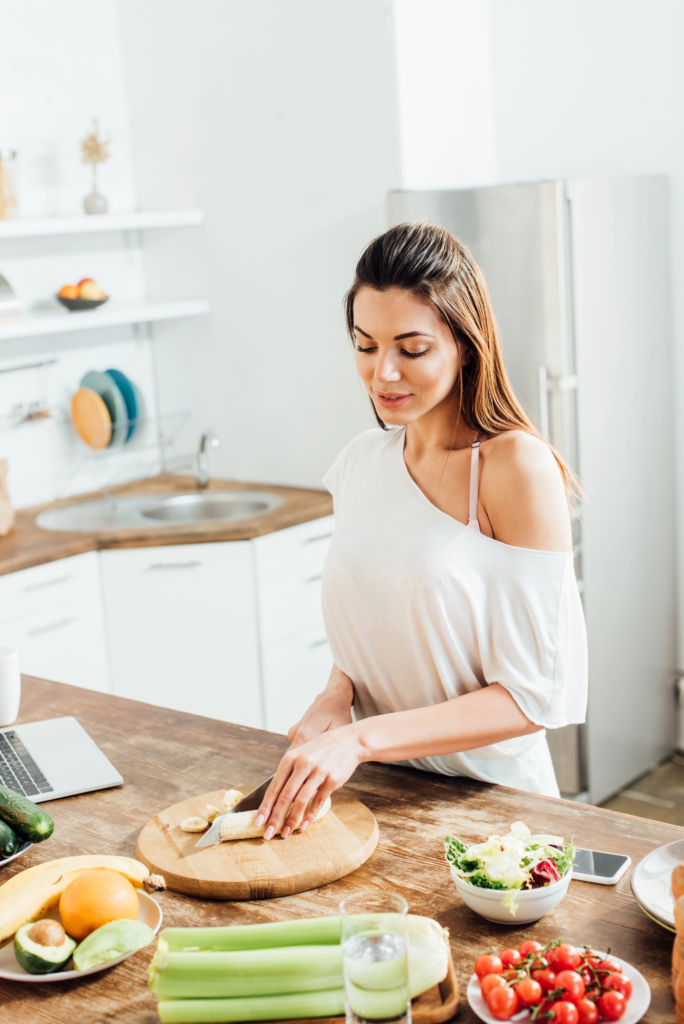
My kitchen didn’t become “reformed” overnight. Instead, new ingredients gradually appeared. Classic rice and potato sides slowly gave way to alternatives like basmati rice, millet, buckwheat, and quinoa. I added more veggies—not because I had to, but because I enjoyed eating that way.
Now, I don’t miss fried meat on Sundays at all. A veggie tortilla can be just as comforting.
No forbidden lists, no guilt—just choices.
I approach movement the same way. I don’t set a strict weekly workout schedule. Instead, I listen to my body. Some periods I move more, others less. I started with longer walks, home workouts, and cycling, letting my body gradually get used to a more active life.
Why I Believe in Small Steps Now
Because they’re sustainable. Because they don’t drain energy—they give it. Because they don’t trap me in rigid rules but leave space to live comfortably.
I believe there’s no one-size-fits-all formula. What works for one person might harm another. That’s why it’s key to listen first to our own bodies and lifestyles—not an Instagram-ready template or a January challenge, but our real lives.
January Without Challenges—and That’s Totally Okay
Today, I don’t feel like I have to start something in January. If I want to change, I’ll do it in February, April, or just an ordinary Tuesday. Because real lifestyle change isn’t tied to a date—it’s a series of choices. And when those choices are small, kind to ourselves, and truly support our well-being, they’re much more likely to stick long term.
Maybe they’re not flashy. Maybe they’re not “hashtag-worthy.” But they work—and for me, that’s more than enough right now.