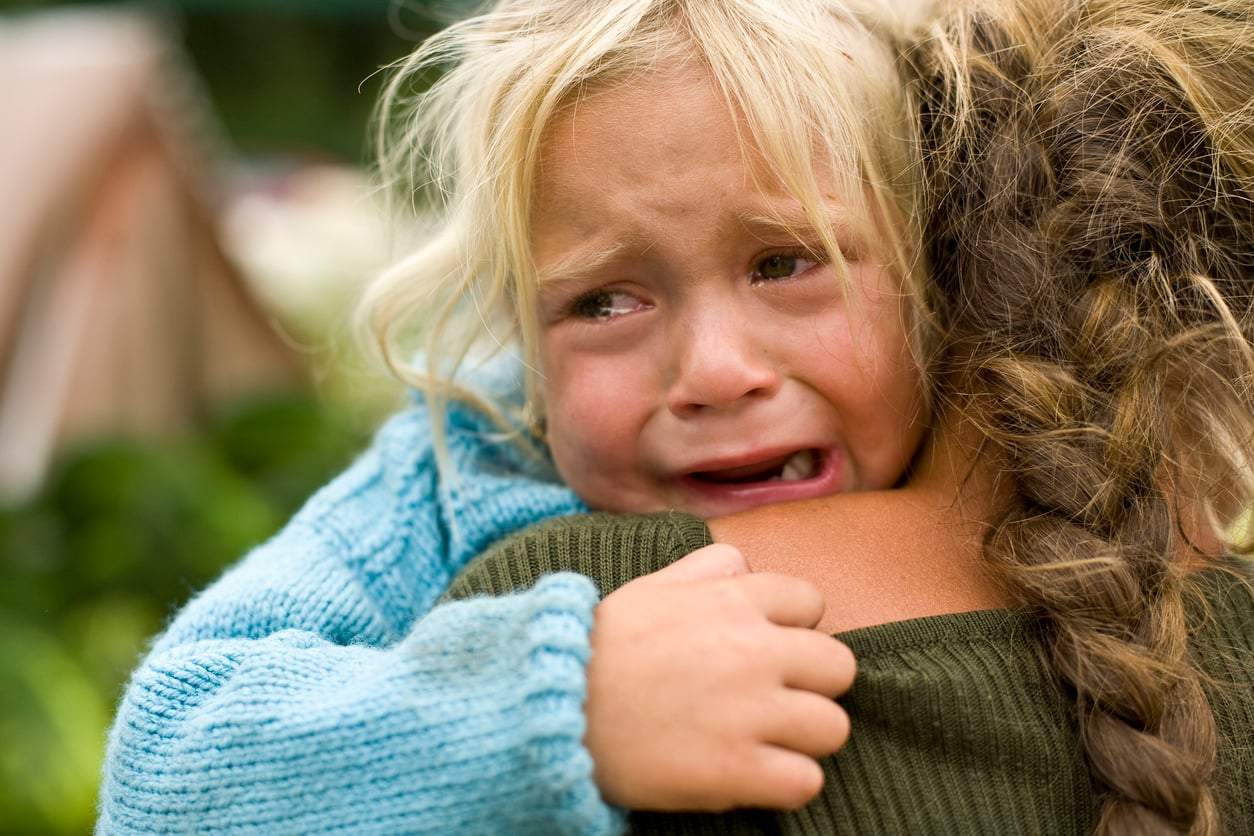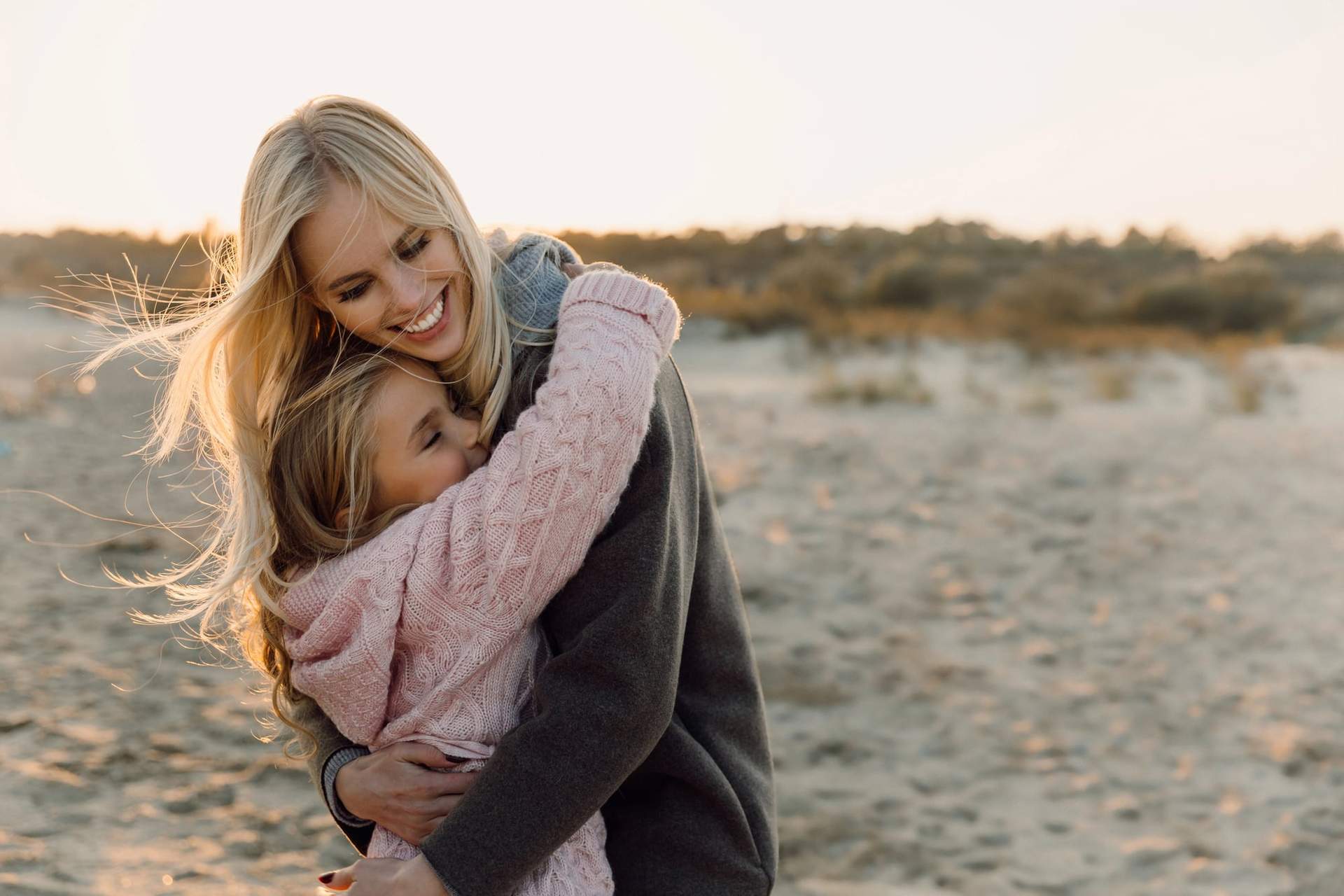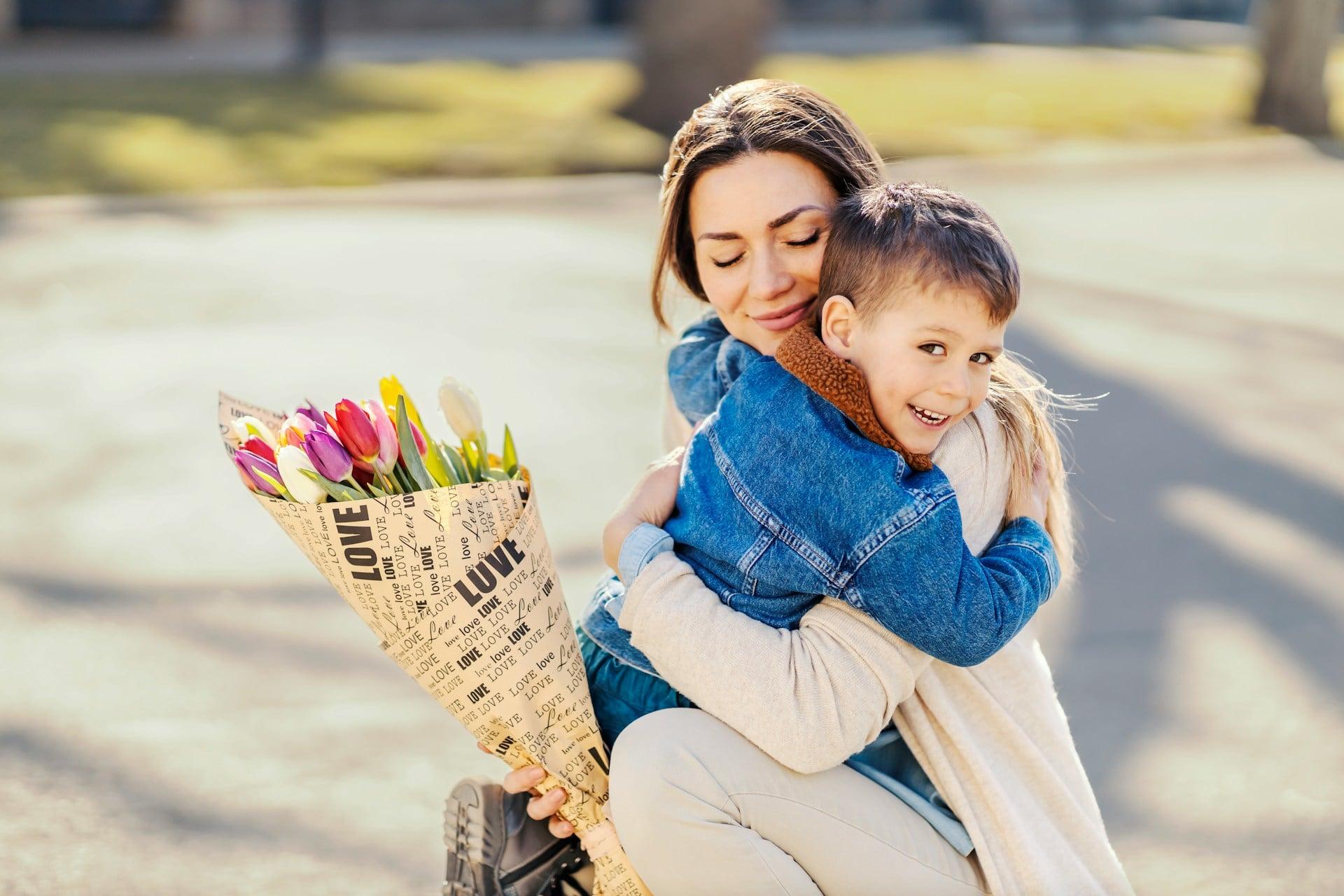
When we were kids, Mother's Day meant crayon drawings and school performances. Sweet, but simple. We didn't yet have the life experience to truly feel the weight of what we were celebrating. As adults, though, something shifts. The holiday stops being a ritual and starts being a reckoning — with time, with love, and with everything our mothers quietly carried for us.
We finally understand what she actually did
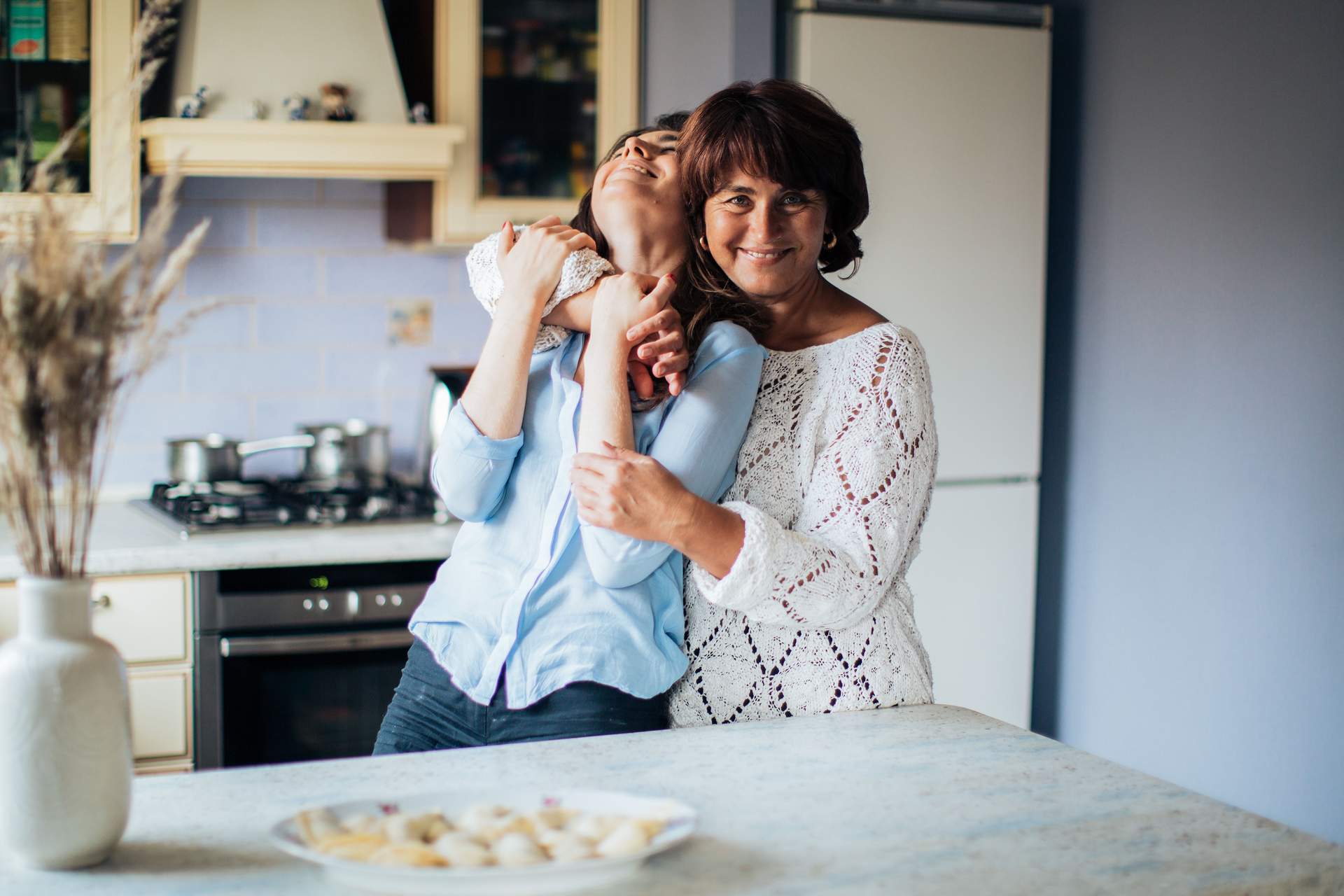
Children love freely and honestly, but they don't yet have the emotional vocabulary to grasp sacrifice. As adults, we do. When we look back at the moments our mothers stayed up late, gave up their own dreams, or simply held it together when everything was falling apart, we see them differently now.
The patience, the quiet effort, the love that never asked for anything in return — it all comes into focus. We're no longer looking through the eyes of a child who expects care. We're looking through the eyes of someone who now knows how hard it is to give it. That shift alone makes Mother's Day feel entirely different.
Time feels more precious — and more urgent
In childhood, time seems infinite. As adults, we feel it slipping. The years move faster, the calendar fills up, and the moments we have with the people we love become fewer and more finite than we'd like to admit.
Sometimes the greatest gift we can give — or receive — is simply time together. Not a purchased present, not a card. Just presence. That's what we remember.
Mother's Day becomes a conscious pause in the rush of adult life. A deliberate choice to stop, show up, and say the things we too often leave unsaid.
Becoming a mother changes everything
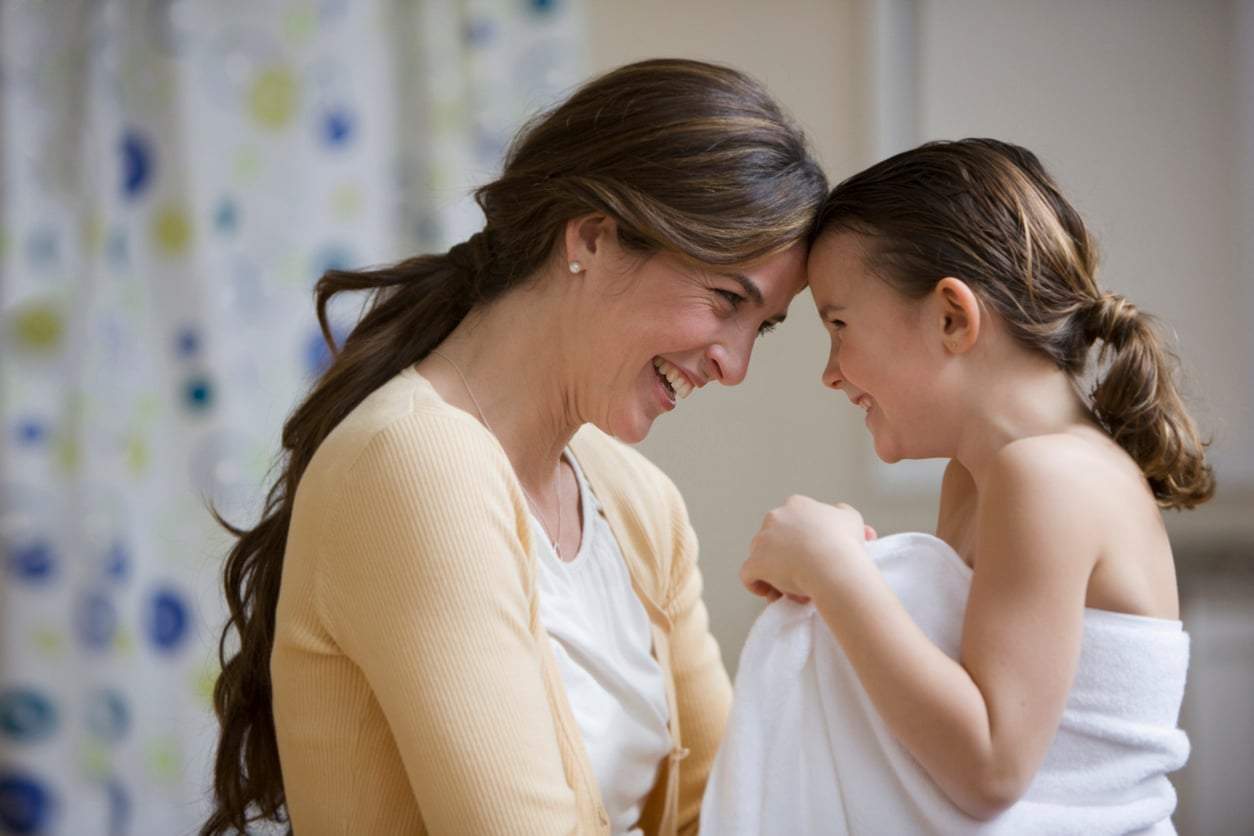
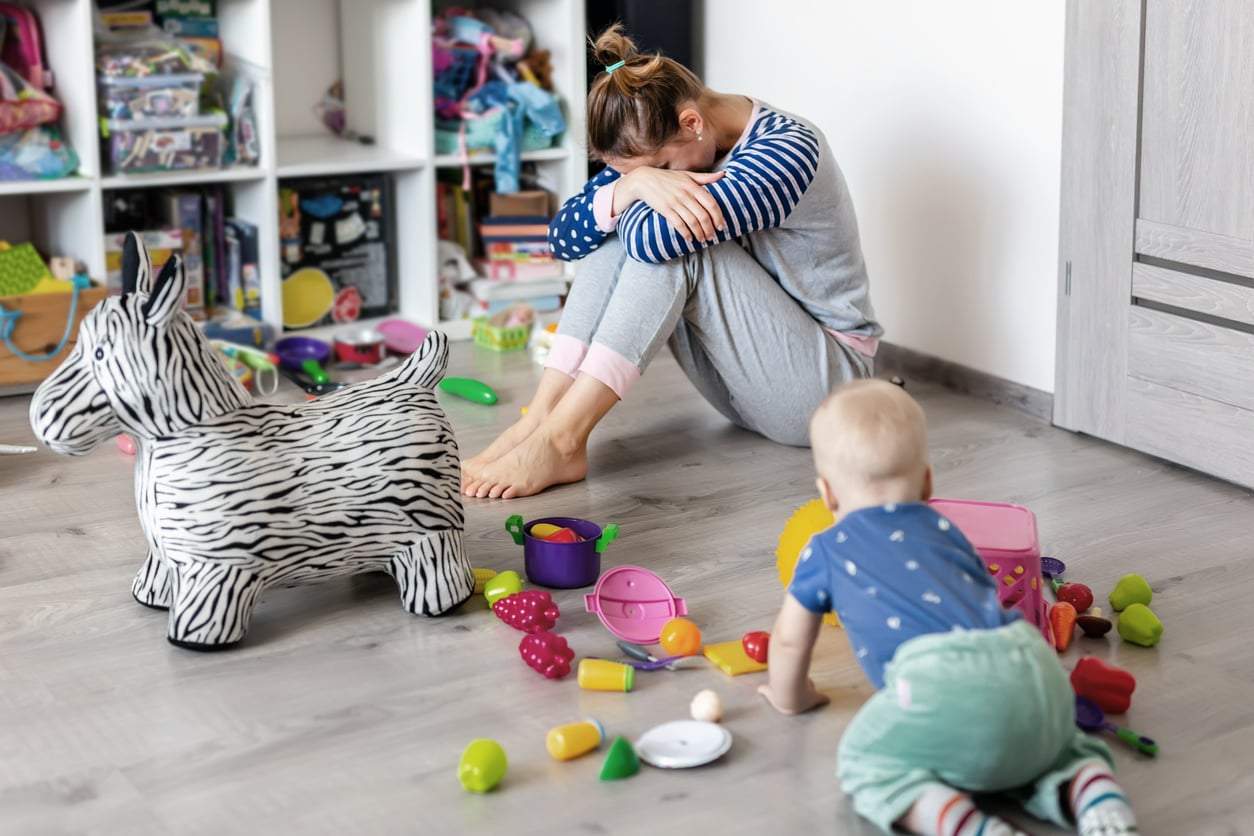
For those who have become mothers themselves, this holiday takes on yet another dimension. The moment you hold your own child, something clicks into place. Suddenly, your mother's choices — the ones you may have questioned or taken for granted — make complete sense.
You understand now what it costs to raise a person. The exhaustion, the worry, the fierce and irrational love that makes you capable of things you never thought possible. Your mother's sacrifices stop being abstract and become deeply, physically real. Mother's Day, then, becomes both a celebration of her and a quiet acknowledgment of the journey you're now on yourself.
Rituals matter more when life gets complicated
The older we get, the more responsibilities pile up — and the easier it becomes to let meaningful moments slip by unnoticed. That's exactly why intentional celebrations matter so much in adulthood.
Marking Mother's Day isn't about obligation. It's about choosing to step out of the everyday noise and honour a relationship that deserves more than background attention. These deliberate moments of connection are what keep our closest bonds from quietly fading. They remind us what — and who — we're actually living for.
It's a chance to build new traditions
As adults, we're no longer just participants in the family traditions we grew up with — we're the ones creating them. Mother's Day is a perfect opportunity to build something new: a shared meal, a yearly outing, a simple ritual that becomes something your own children will one day remember.
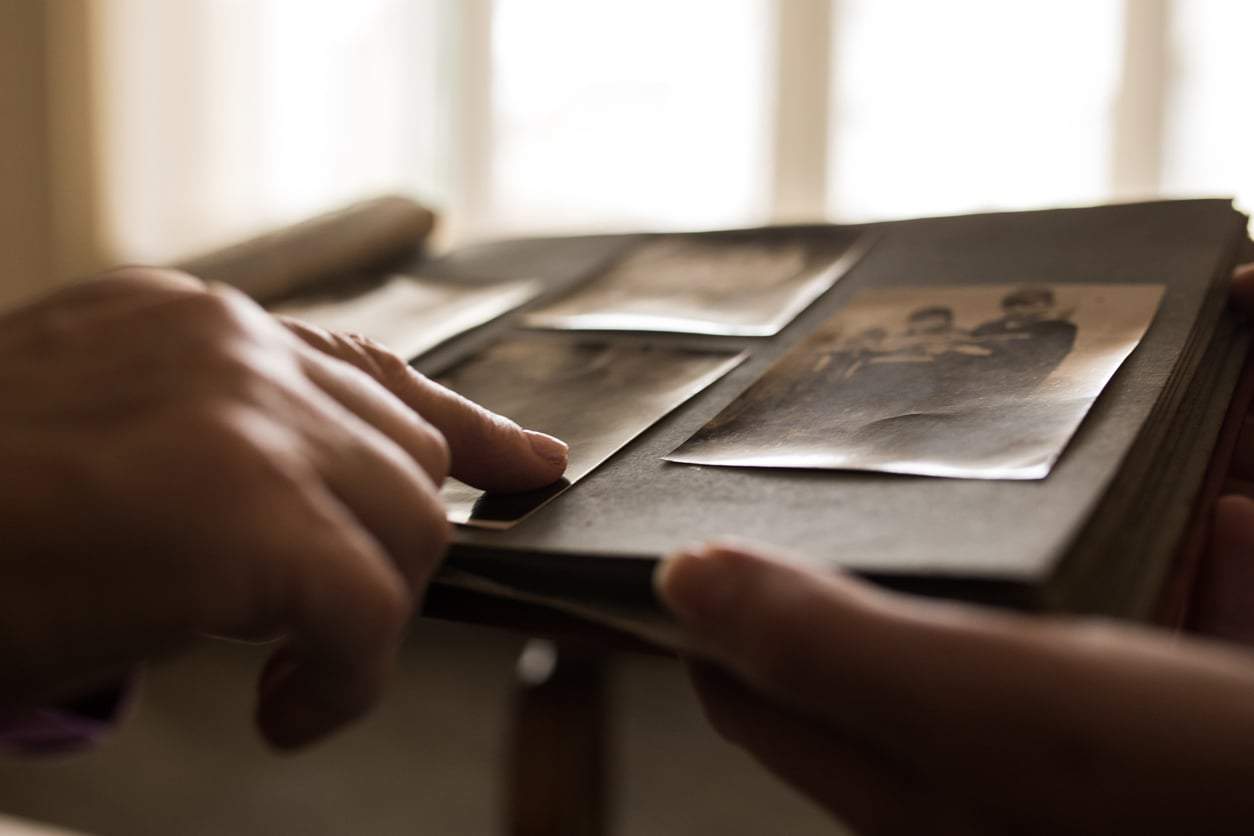
These shared experiences do more than create memories. They weave a thread of continuity between generations, giving everyone in the family a sense of belonging and rootedness that becomes more valuable with every passing year.
Gratitude is something we have to practise
In the busyness of daily life, gratitude is one of the first things to go. We get caught up in what's not working, what's missing, what still needs to be done. Holidays like Mother's Day interrupt that pattern.
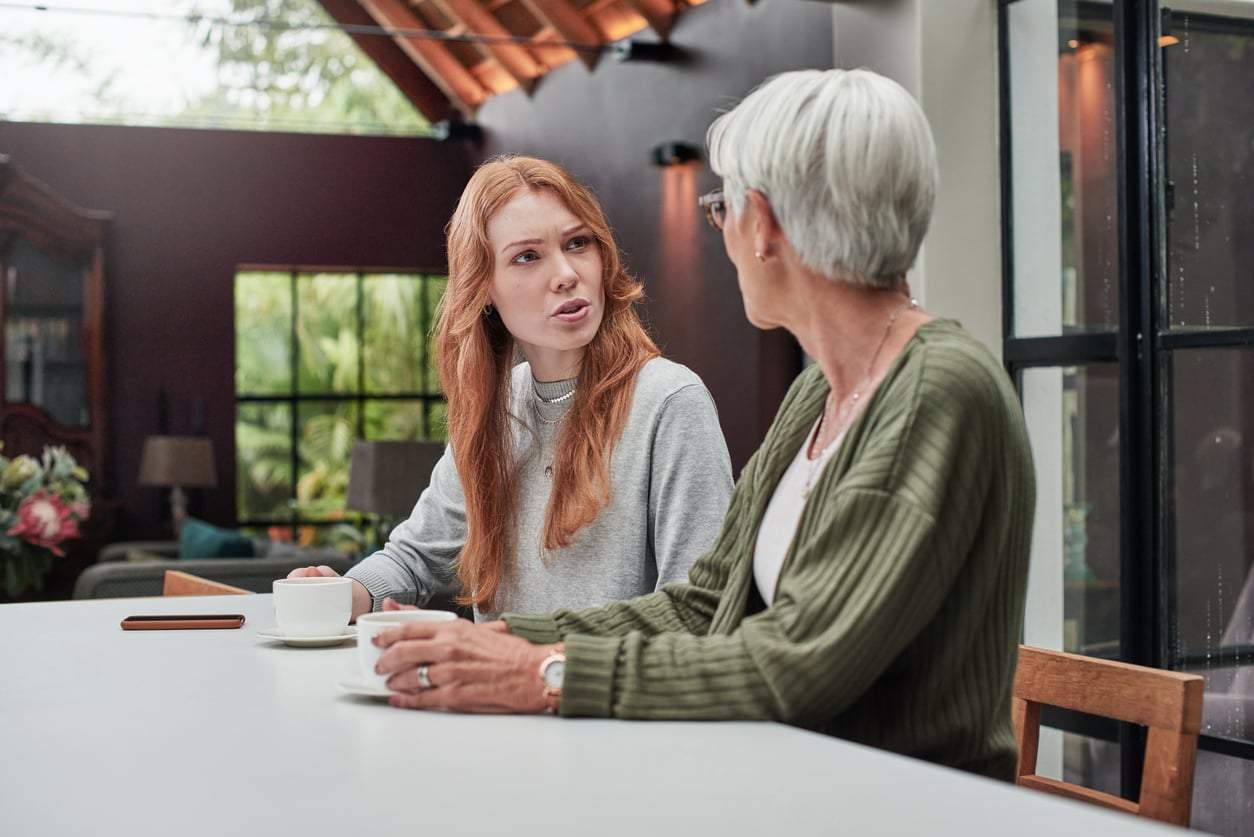
They give us permission to slow down, look someone in the eye, and say: I see you. I appreciate you. Thank you. That kind of honest, unhurried appreciation is the foundation of every healthy relationship — and it's something most of us could stand to practise more.
Growing up doesn't diminish the magic of Mother's Day — it deepens it. With every stage of life we move through, the gratitude becomes richer, the love more layered, and the time we choose to spend together more meaningful than ever.