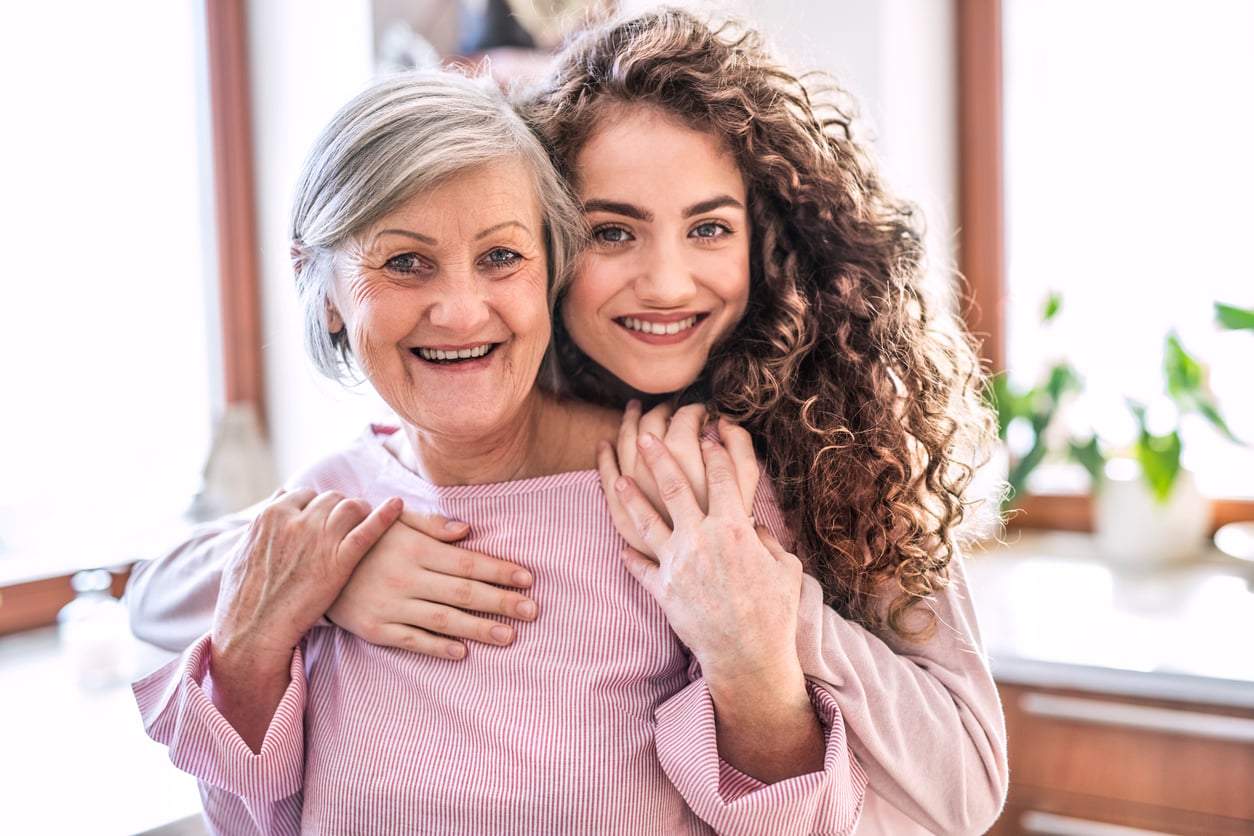
The afternoon light coming through the hospital window landed right on my grandmother's face when she waved me closer. Two days earlier we still thought it was just a bad week. Then the doctor came in, sat down beside us, and said softly that it was now only a matter of days.
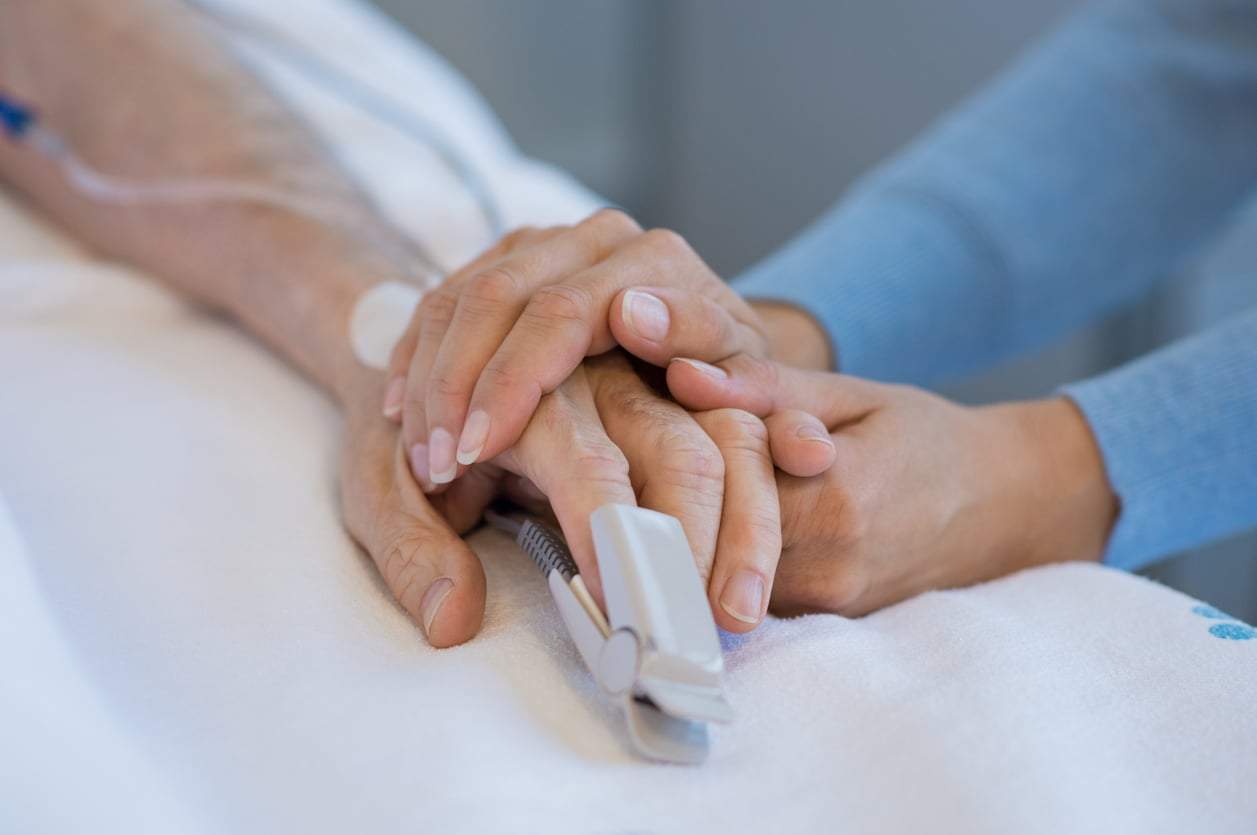
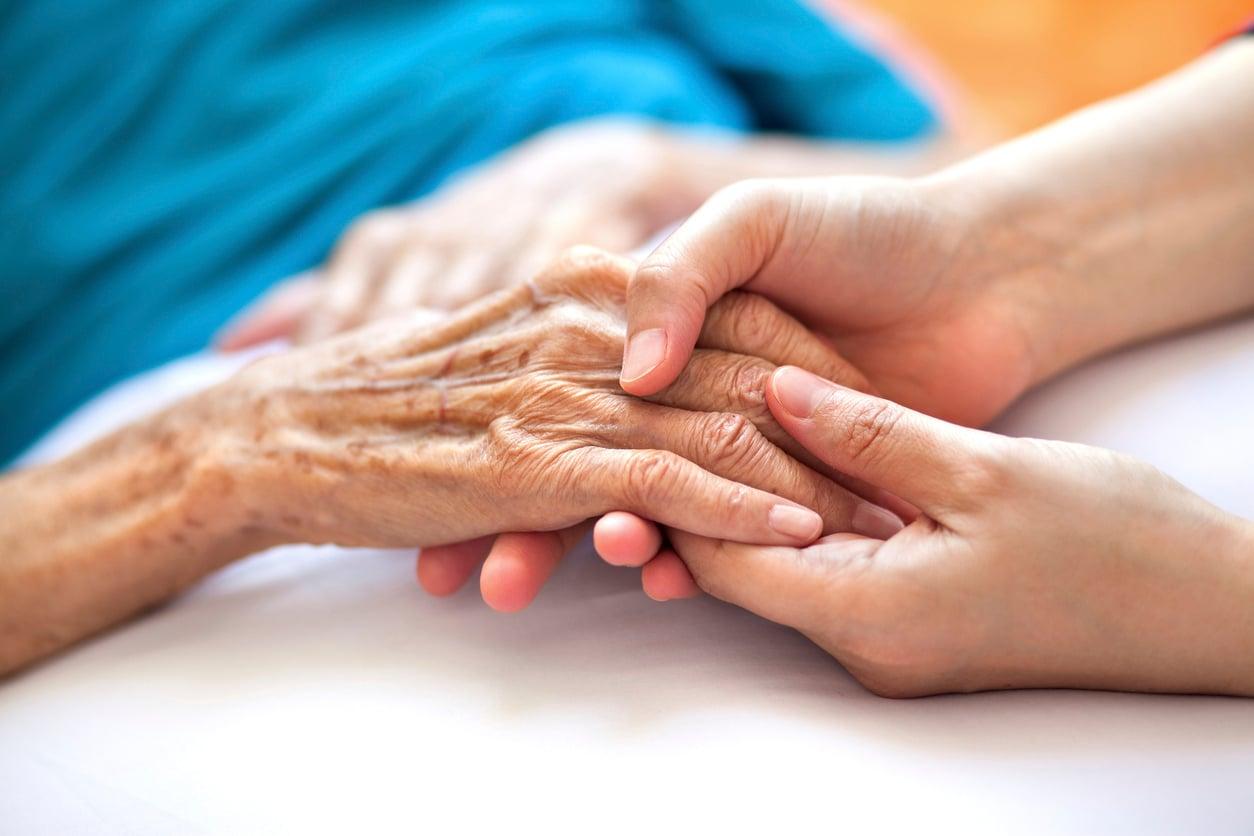
I was sitting on the edge of her bed, holding her hand, which even then felt as light as a bird's bones, when she leaned toward me. She didn't even have the strength to speak out loud.
I thought she just wanted to say goodbye
I'd been preparing for days, trying to figure out what I would say to her one last time. But she spoke first. She pulled me close to her ear and whispered: "Sophie isn't your grandfather's daughter."
Sophie is my mother. My grandfather — the man I'd known my whole childhood as the gentlest person in the family, who made us chestnut purée every Sunday, and who has been dead for twelve years — was not my mother's biological father.
I didn't know what to do with what I'd just heard. I sat there, looking at this eighty-six-year-old woman who had carried this for seventy years, and now, when there was nothing left at stake in telling it, she told it anyway.
I asked if she was sure this was what she wanted, for me to know. She nodded, then added that I had to tell my mother too, because she wouldn't be able to do it herself.
She carried it for seventy years, and then, in her final days, she decided she couldn't take it to the grave with her.
Three days after the funeral, my mother and I sat down at the kitchen table. Beforehand, I'd taken out the shoebox my grandmother always kept close — she'd even brought it to the hospital, but we never had the heart to open it in front of her.
Inside were photographs. Old, worn-edged photos of a young man I had never seen before, and a letter my grandmother had never sent. I can't tell you the date, but the paper had already yellowed and the ink was fading.
If you've ever wondered how one buried truth can quietly shape a whole family, you may want to read about the roles we unknowingly play within our own families.
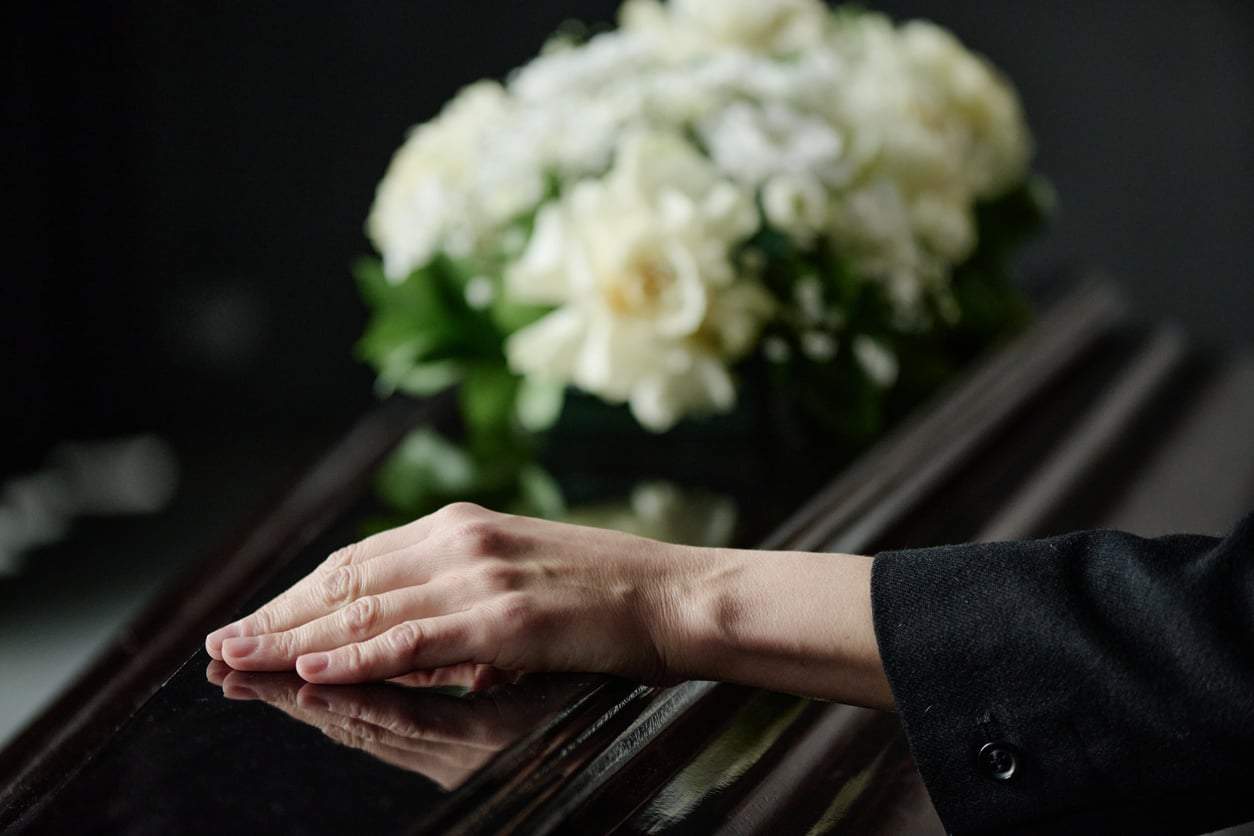
My mother's hands trembled as she looked at the photos
She said there was something familiar in the face, in the eyes — the same way she looks at her own reflection in the mirror every morning. She didn't cry. She just sat there, turning the photograph over in her hands, as if searching in it for the answer to who she really was.
And I kept wondering whether my grandfather had known. And if he had, why he raised my mother as his own, with every ounce of fatherly love a child could ever receive.
A few months have passed since then, and the family still looks at one another differently around that table. My uncle — my grandfather's younger brother — told us he'd suspected something years ago, but he never dared to ask, afraid of upending the peace that had held until then.
My mother is now thinking about trying to track down the man in the photograph, or at least his relatives, if any are still alive. I don't know what to advise her, because it isn't my story. I only became part of it so that I could pass it on.
Sometimes I think back to my grandmother lying in that white hospital room, using the last of her strength to hand this burden to someone else. I don't know if it was a relief for her, or whether she simply felt she owed the truth that much.
I don't even know if she did the right thing, telling it exactly when there was no longer anyone left to ask. All I know is that I look at the old family photos differently now. I catch myself searching for my grandfather's face in them, trying to understand what it meant for him to love someone who wasn't his own child by blood.
Why do people confess long-held secrets on their deathbed?
For many, it becomes a way to unburden themselves when there's nothing left at stake. As with my grandmother, it may be a final act of relief, or a sense of owing the truth to those left behind.
Should you tell family members a secret you've just learned?
It's rarely simple. In our case, my grandmother specifically asked me to pass it on to my mother, so I felt I was carrying out her final wish rather than making the choice alone.
How does a hidden family secret affect the people who find out?
It can change how everyone sees one another. Months later, my family still looks at each other differently around the table, and some relatives admit they had quietly suspected the truth for years.
Can loving a child who isn't yours by blood be just as real?
My grandfather raised my mother as his own with every ounce of fatherly love a child could receive — which is exactly what makes me keep searching his face in old photos, trying to understand what that love meant to him.