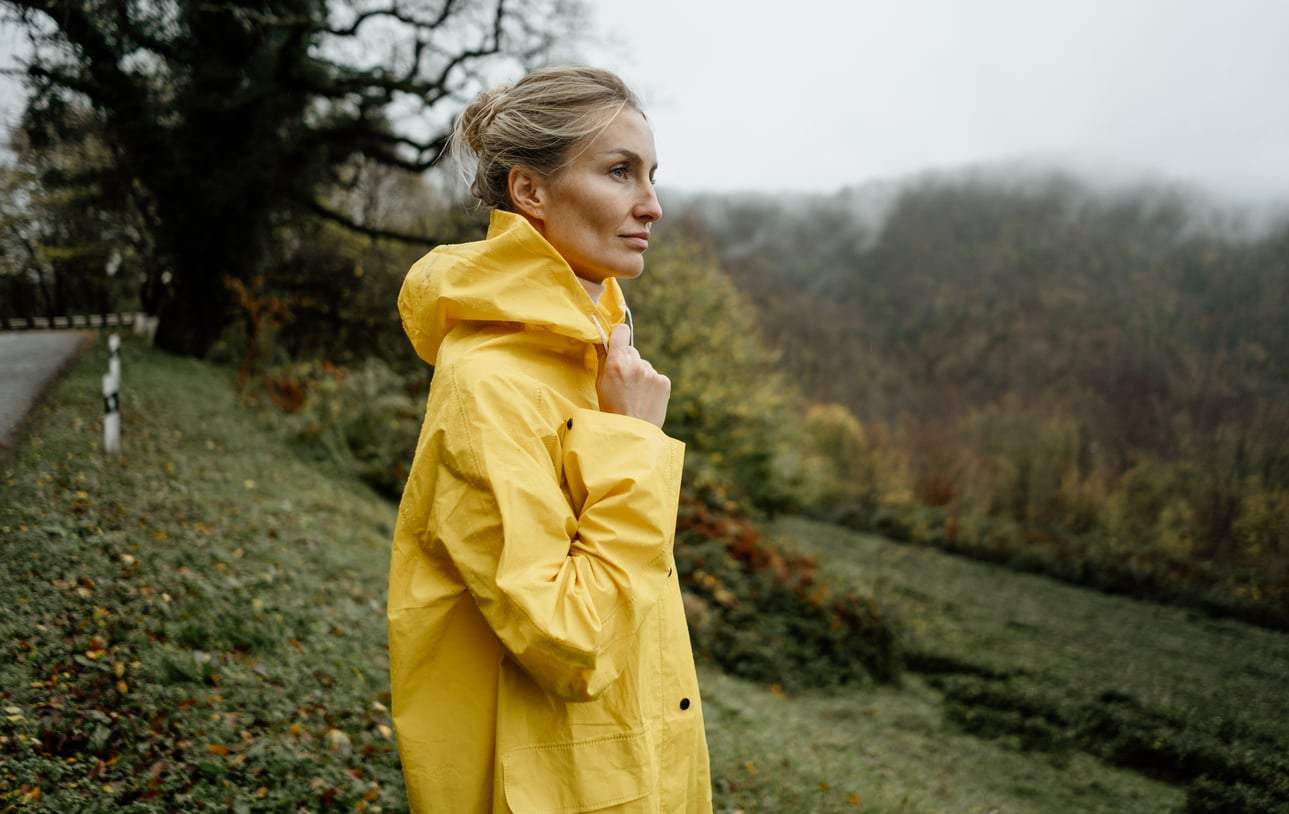
You finally have a free afternoon. No deadlines, no obligations — just time that's yours. And yet, instead of enjoying it, a quiet but persistent guilt creeps in. The feeling that you should be doing something. That relaxing is somehow a waste. Sound familiar? You're far from alone — and it says a lot more about our culture than it does about you.
Where the guilt actually comes from
For most of us, the discomfort around rest was planted early. From childhood, we're taught — directly and indirectly — that our worth is tied to what we produce. Good grades, packed schedules, visible effort. The message is consistent: doing equals value.
That belief doesn't disappear in adulthood. If anything, it intensifies. When we finally carve out time to rest, the old conditioning kicks in almost immediately — and the result is tension, restlessness, and the nagging sense that we're falling behind on something.
It's not a personal failing. It's a deeply ingrained pattern — one that's actively reinforced by the world around us every single day.
The "always busy" culture and why it's making us worse
Scroll through social media for five minutes and you'll see it everywhere: people proudly broadcasting their packed calendars, their 5 a.m. workouts, their side hustles. Busyness has become a status symbol — a shorthand for ambition, discipline, and success.
The unspoken message is clear: if you're not busy, you're not trying hard enough. And if you're resting, you're falling behind.
This cult of productivity has quietly erased the boundary between work and personal life. Many people feel that switching off — even briefly — means losing their edge, missing an opportunity, or becoming irrelevant. In a world where we're reachable around the clock, the pressure to always be "on" has never been stronger.
The result? Even leisure starts to feel like something that needs to be justified.
How to let go of rest guilt
Unlearning this takes time — but it starts with one important shift in perspective: rest is not a reward for finishing everything. It's a basic human need. Without genuine recovery, your focus, creativity, and emotional resilience all suffer. Rest isn't the opposite of productivity — it's what makes sustained productivity possible.
One practical approach is to schedule rest the same way you schedule work. When downtime has a place in your day by design, it feels less like slacking and more like a deliberate choice. It removes the ambiguity that guilt thrives on.
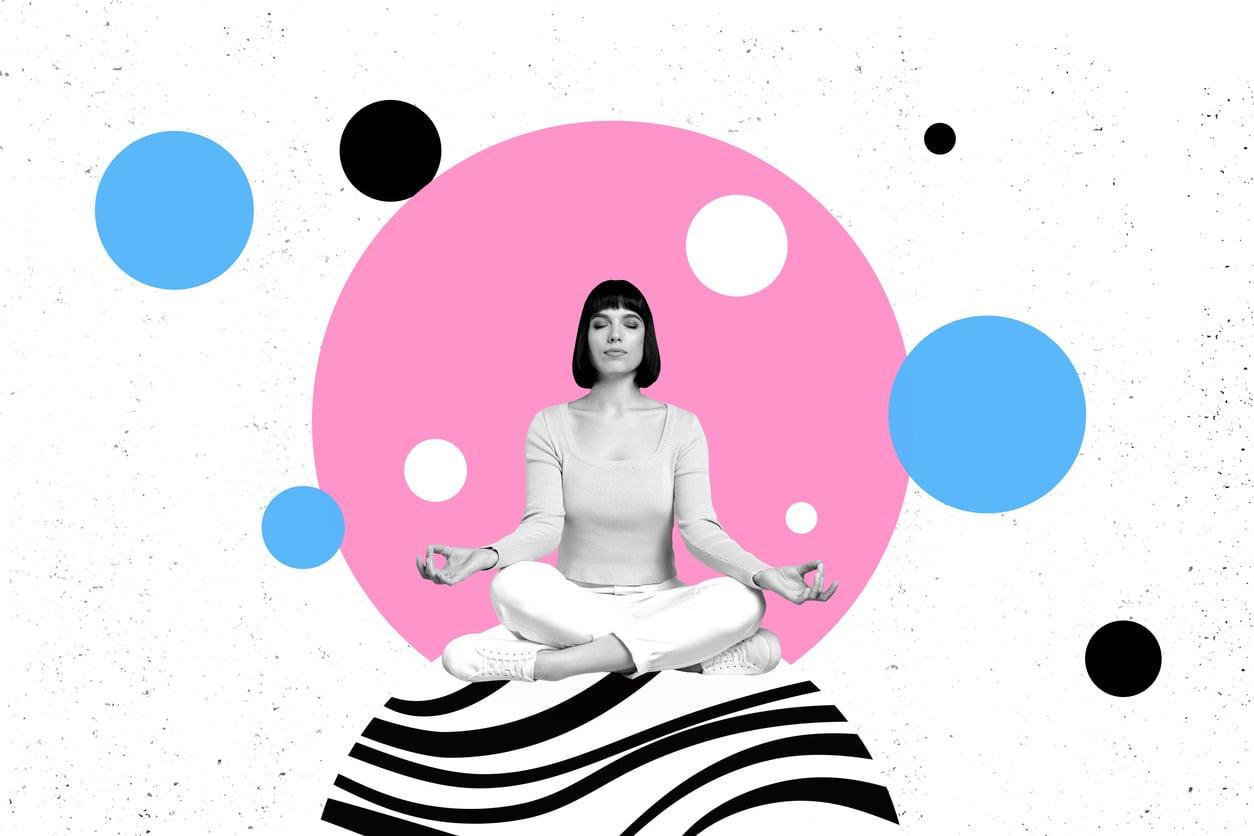
Mindfulness practices can also help — not by silencing the guilt immediately, but by gently bringing your attention back to the present moment instead of letting your mind spiral into a to-do list. The goal isn't perfection. It's gradually learning to be where you are, rather than mentally elsewhere.
What real rest actually looks like
Quality rest isn't just the absence of work — it's the presence of something that genuinely restores you. That might be reading, walking in nature, cooking something you love, or an easy evening with friends. The specific activity matters less than the intention behind it: this time is for recharging, not performing.
It's also worth questioning what you count as rest. Scrolling through your phone while half-watching TV rarely leaves you feeling refreshed. True rest looks different for everyone — and it's worth figuring out what actually works for you, rather than defaulting to whatever's easiest.
Small steps toward a healthier relationship with downtime
Changing how you feel about rest won't happen overnight. A useful starting point is simply noticing when the guilt is loudest — what situations trigger it, what thoughts follow. Awareness alone can begin to loosen its grip.
From there, try giving yourself explicit permission to rest. Not as a treat, not as something you've "earned" — but as a normal, necessary part of your week. Because that's exactly what it is.
The time you invest in genuine recovery pays back far more than you'd expect — in energy, in focus, in the quality of everything else you do. You don't need to be exhausted to deserve a break. You just need to be human.