Mowing, watering, fertilizing — and then doing it all over again. For many homeowners, the traditional lawn has quietly become more of a chore than a pleasure. That's why a growing number of people are stepping back and asking: is there a better way? As it turns out, there are several — and they're more beautiful, more affordable, and more sustainable than you might expect.
When the weather stops cooperating
Summers are getting hotter and drier, and a classic grass lawn is one of the first casualties. Keeping it green through a long, scorching summer demands enormous amounts of water — and increasingly, that water simply isn't there.
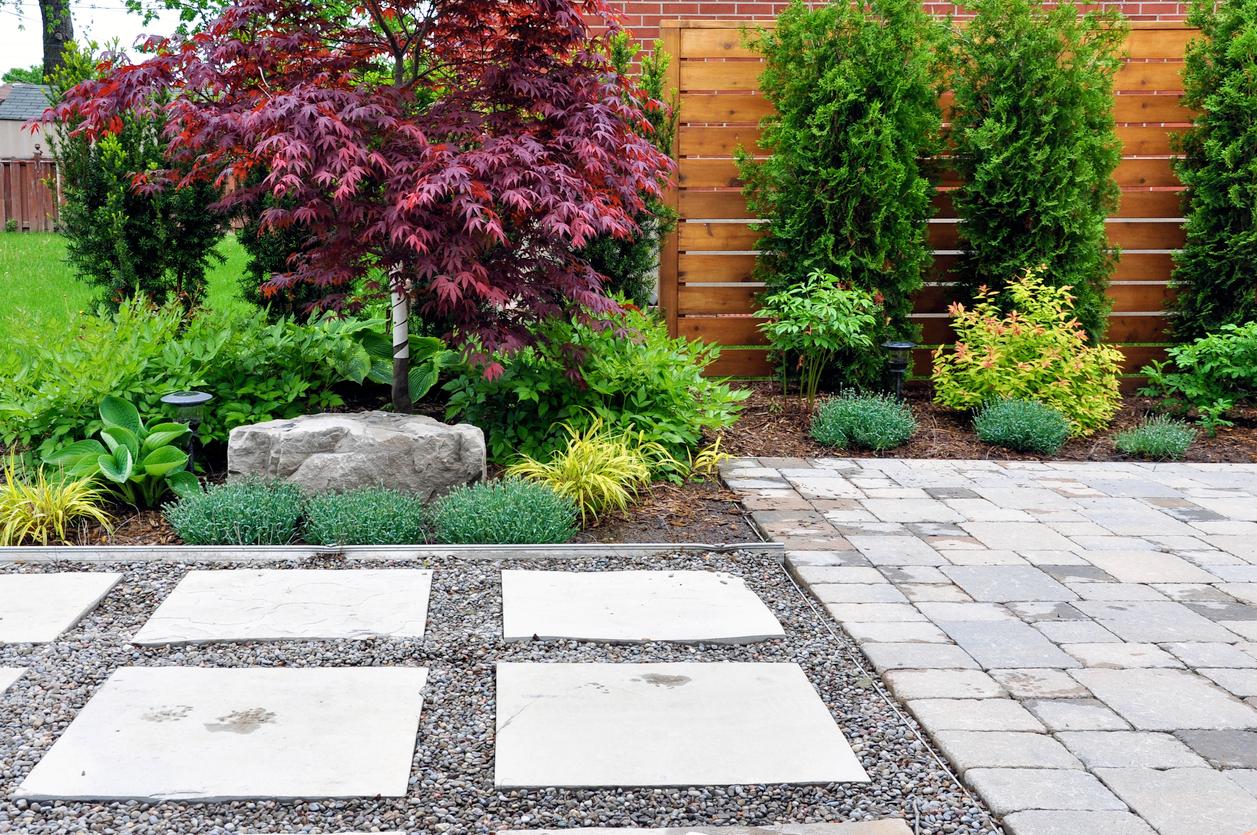
Alternatives like gravel beds, stone coverings, and drought-resistant plants are far better suited to these conditions. They stay attractive through heat waves, require minimal watering, and don't turn yellow the moment rainfall drops off. For many gardeners, this alone is reason enough to make the switch.
Gardening with the environment in mind
Sustainability has moved from a buzzword to a genuine priority for many households. And the garden is one of the most visible places to put those values into practice.
Replacing a traditional lawn with native wildflowers or pollinator-friendly plants does more than just look good — it actively supports local biodiversity. Bees, butterflies, and other beneficial insects get a habitat; you get a garden that feels alive in a way that a carpet of uniform grass never quite does.
This kind of planting also tends to be remarkably low-maintenance once established. Nature, it turns out, is pretty good at taking care of itself.
The honest cost of a perfect lawn
Traditional lawns come with a long list of ongoing expenses: a lawnmower (and its maintenance), a sprinkler system, fertilizer, weed killer, and the time to use all of them. It adds up faster than most people realize.
By contrast, gravel gardens, decorative stone areas, or artificial turf require a meaningful upfront investment — but after that, the costs drop dramatically. No mowing, no seasonal treatments, no water bills spiking every August. Over a few years, the savings are substantial.
A garden that actually reflects your style
One underrated benefit of going lawn-free? Creative freedom. A standard grass lawn looks more or less the same in every garden. Alternative solutions open up a much wider range of possibilities.
Colorful flower beds, decorative gravel in contrasting tones, sculptural plantings, or elegant stone paving can transform an outdoor space into something genuinely personal. The garden stops being a maintenance obligation and starts being an extension of your home's character.
Smart technology is making it even easier
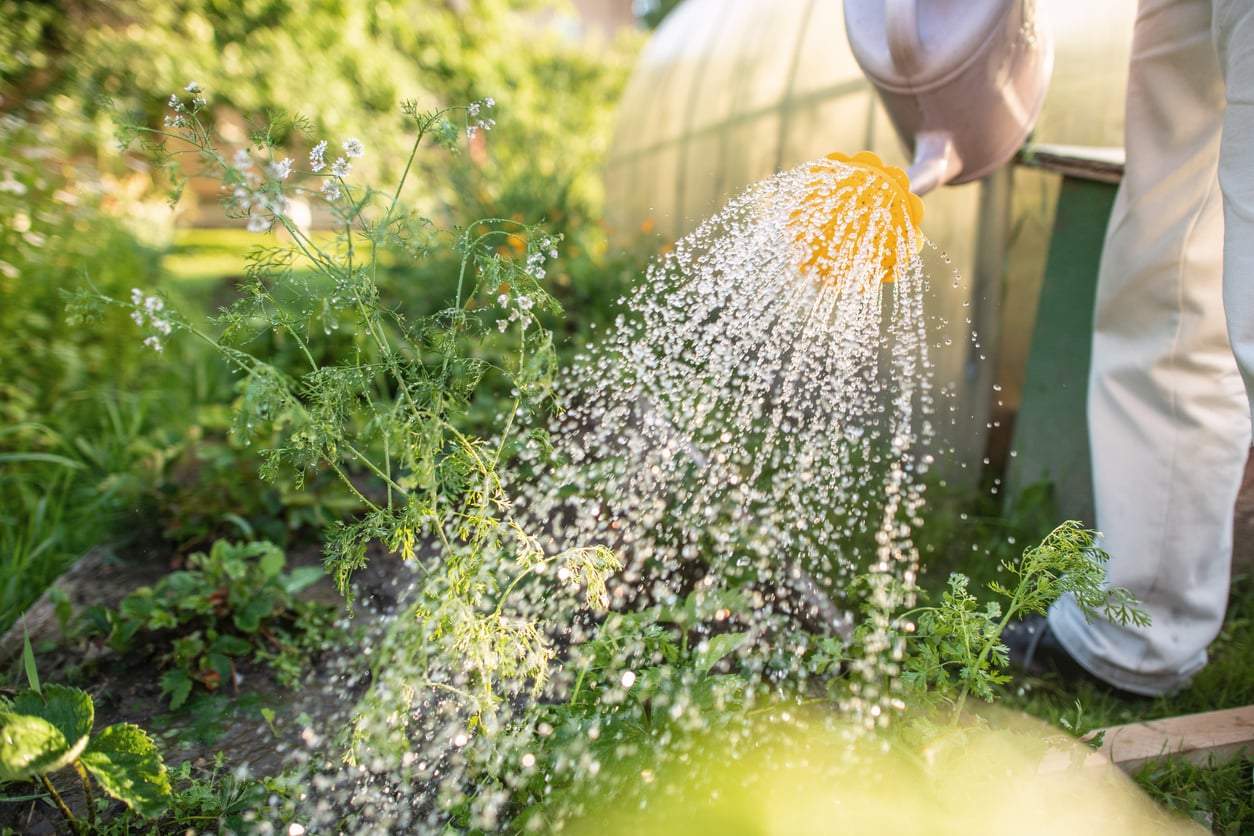
For those who aren't ready to give up on grass entirely, modern technology has made lawn care significantly less demanding. Smart irrigation systems water only when and where it's needed, cutting waste without any extra effort. Solar-powered garden lighting adds ambiance with zero running costs.
And for the truly time-pressed, robotic lawnmowers handle the cutting automatically — quietly, efficiently, and without you having to lift a finger. Paired with more sustainable planting choices, these tools make it possible to have a beautiful, low-effort garden on almost any schedule.
Whether you go fully lawn-free or simply reduce the amount of grass you maintain, there's an alternative out there that fits your garden, your budget, and your lifestyle. The only question is which one suits you best.