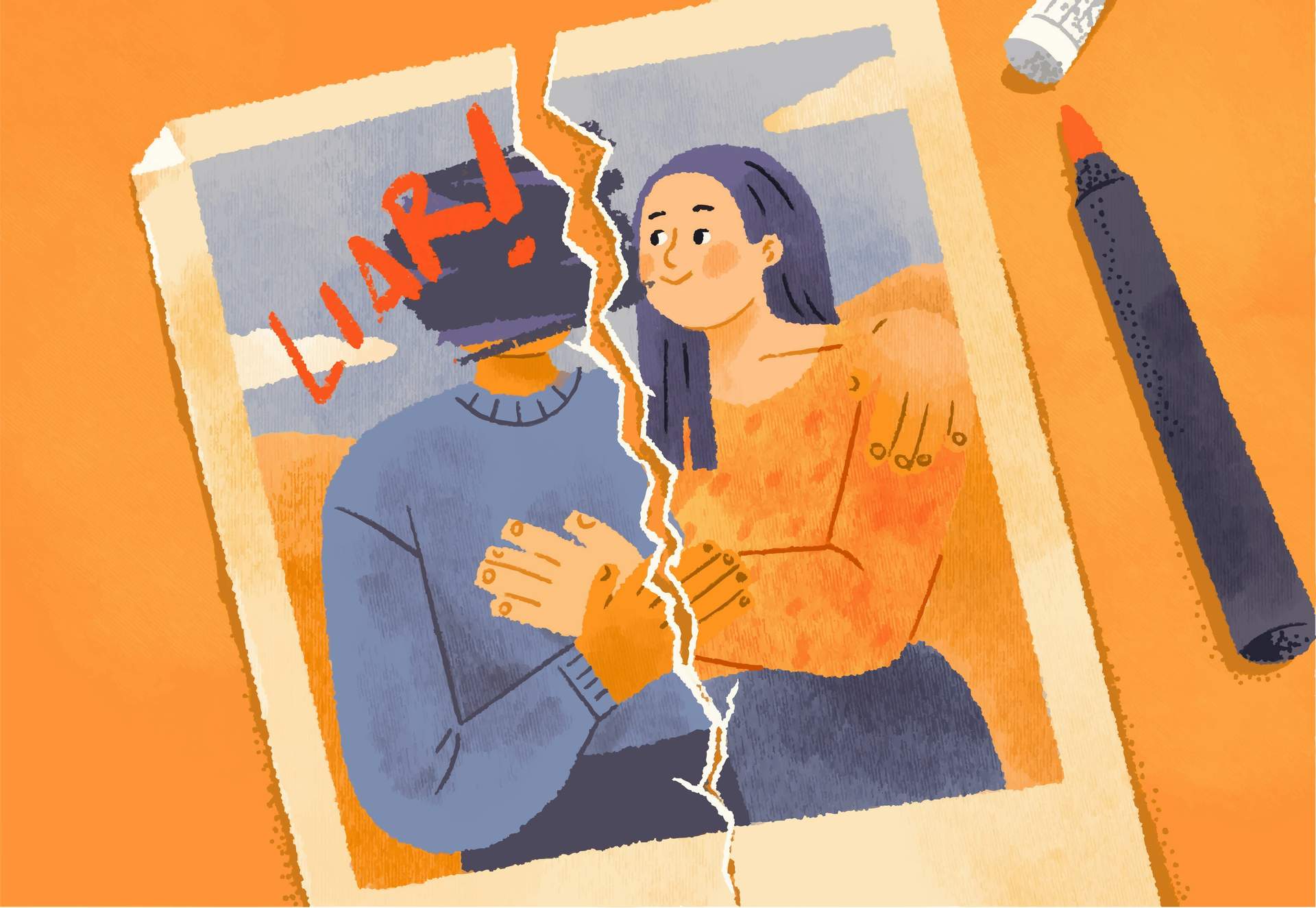
I kept repeating the mantra that everything happens for a reason until I realized: it’s okay not to be okay all the time. There was a period in my life when I almost reflexively said, “everything happens for a reason.” When something hurt or I faced loss, I’d quickly pull out my hopelessly optimistic self and support my stories with this phrase.
It sounded comforting and, above all, helped me avoid uncomfortable feelings. The problem came when I faced the fact that some situations are simply beyond our control. In those moments, trying to stay positive at all costs can do more harm than allowing space for negativity.
The message to “stay positive” is everywhere—books, quotes, social media, friendly chats. It’s like we’re expected to instantly find lessons in every situation and reframe every pain into something uplifting. And if we can’t, we often feel like there’s something wrong with us. But often, the issue isn’t that we can’t see the good—it’s that we’re not yet ready to feel good again…

The Pressure to Always Be Okay
At some point, I noticed I wasn’t just doing this to myself but to others too. When someone talked about grief, exhaustion, or fear, I automatically tried to comfort them—because what else can you do? Plus, I’m naturally an optimistic person who genuinely believes better days come after hard times.
But I also noticed that society treats negative feelings like something inappropriate that must be quickly hidden before they linger too long. (And we keep planting these seeds in our kids even today…)
But sadness isn’t a flaw, anger isn’t failure, and anxiety isn’t weakness: these are natural reactions and signals that something important has happened to us. When we force ourselves to stay positive, we actually silence these signals—and ourselves. In these cases, “everything happens for a reason” isn’t a lifeline but a way to shut down self-awareness before it can truly begin.

Not Every Pain Wants to Teach Us
I used to believe every hardship had meaning, you just had to find it. Now, I’m more cautious with that view. While I think it’s worth exploring setbacks from many angles, I feel not every loss wants to teach us, and not every trial makes us better people. Some things just hurt and feel unfair—and that alone is reason enough to feel bad.
When I recently allowed myself this perspective for the first time, strangely, I didn’t become weaker. On the contrary, I received feedback that strengthened me and led to important insights. Among them was the realization that when I hit rock bottom, I can let myself fall—and someone will catch me without struggle. It was freeing to realize I don’t always have to “respond well” or solve every situation. Often, just being there for each other, without explanations or long lessons, is more than enough.
Emotions Aren’t Here to Shame Us
They’re here to give us information about our inner state and where we still need to grow.
Anxiety warns us, anger sets boundaries, and sadness shows what truly mattered.
If we suppress all this with mandatory optimism, we lose not only our feelings but also our connection to our deeper selves.
That’s why I no longer automatically repeat “everything happens for a reason.” Sometimes yes, sometimes no—and that’s perfectly okay. Especially since being “okay” isn’t a fixed state but something always in motion. Sometimes we’re closer to it, other times it’s barely on the horizon—but neither extreme defines who we truly are.