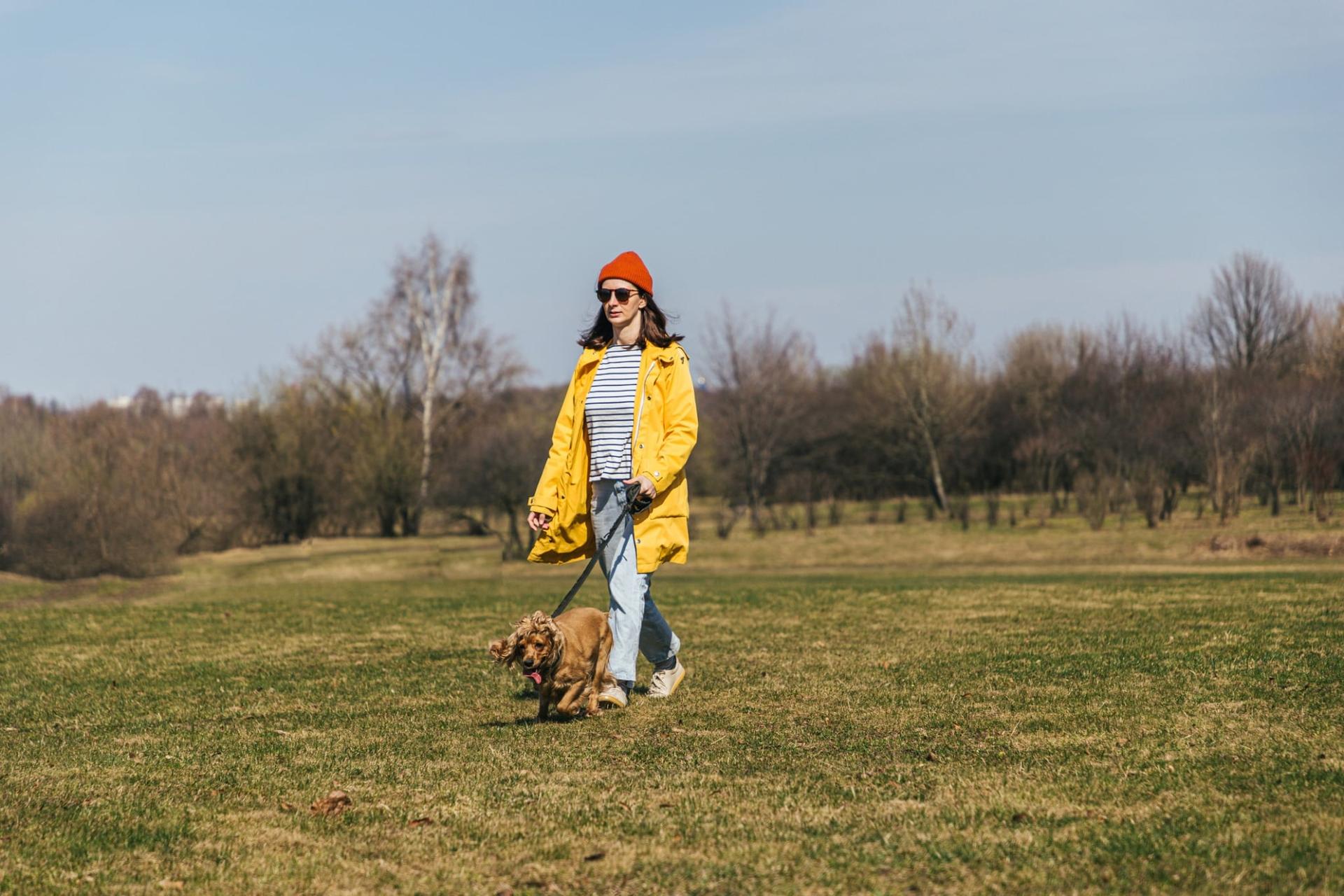
Most dog owners have a routine: feed the dog, grab the leash, head out the door. It feels natural. But that simple sequence could actually put your dog's life at risk — and many owners have no idea.
The timing of your dog's meals relative to exercise isn't just a matter of comfort. It can be the difference between a healthy walk and a veterinary emergency.
The real danger: bloat and gastric torsion
In dogs — especially large breeds — digestion is a surprisingly delicate process. When a dog eats a large meal and then engages in vigorous physical activity, the stomach can expand and, in the worst cases, twist on itself. This condition is known as gastric dilatation-volvulus (GDV), or gastric torsion, and it is one of the most feared emergencies in veterinary medicine.
GDV is not just uncomfortable. Without immediate treatment, it can be fatal within hours. The enlarged stomach puts pressure on the diaphragm and cuts off blood supply to vital organs — a situation that escalates rapidly and leaves very little time to act.
Warning signs you should never ignore
Symptoms of gastric torsion can appear within just a few hours of eating and exercising. If you notice any of the following, contact a vet immediately:
- Visibly swollen or distended abdomen
- Repeated attempts to vomit with nothing coming up
- Restlessness, pacing, or obvious distress
- Whimpering or crying out in pain
- Lethargy or sudden collapse
These signs should never be waited out. GDV is a surgical emergency, and every minute matters.
The golden rule: wait at least two hours
So when should you walk your dog after a meal? The widely recommended guideline is to wait at least two hours after eating before any intense physical activity. This gives the stomach enough time to begin processing the food and significantly reduces the risk of dangerous gas buildup or torsion.
A gentle, slow stroll around the block is generally considered low-risk. But running, fetch, or any high-energy activity should wait. The same rule applies in reverse — if your dog has just had a vigorous workout, let them rest and cool down before offering a full meal.
Less active dogs may seem to tolerate shorter rest periods, but the two-hour window is still the safest standard to follow — regardless of breed or fitness level.
Diet matters too
What your dog eats plays a role in digestive health as well. A high-quality, well-balanced diet that avoids excessive carbohydrates and artificial additives can reduce the likelihood of bloating. Sudden changes in diet are also a known trigger for digestive upset, so any food transitions should be made gradually over several days.
Feeding your dog two smaller meals per day rather than one large meal is another practical way to reduce the strain on the stomach — particularly for large or deep-chested breeds that are already more prone to GDV.
Every dog is different
It's worth remembering that every dog has its own digestive rhythm. Dogs that have previously experienced bloating or torsion, or breeds known to be at higher risk — such as Great Danes, German Shepherds, Standard Poodles, and Weimaraners — need especially careful management around mealtimes and exercise.
Pay attention to how your dog behaves after eating. If they seem uncomfortable, gassy, or restless, that's useful information. Adjust your routine accordingly, and don't hesitate to discuss feeding schedules with your vet.
Responsible dog ownership is built on small, conscious decisions — and knowing when to walk your dog is one of the simplest ways to protect their long-term health and happiness.