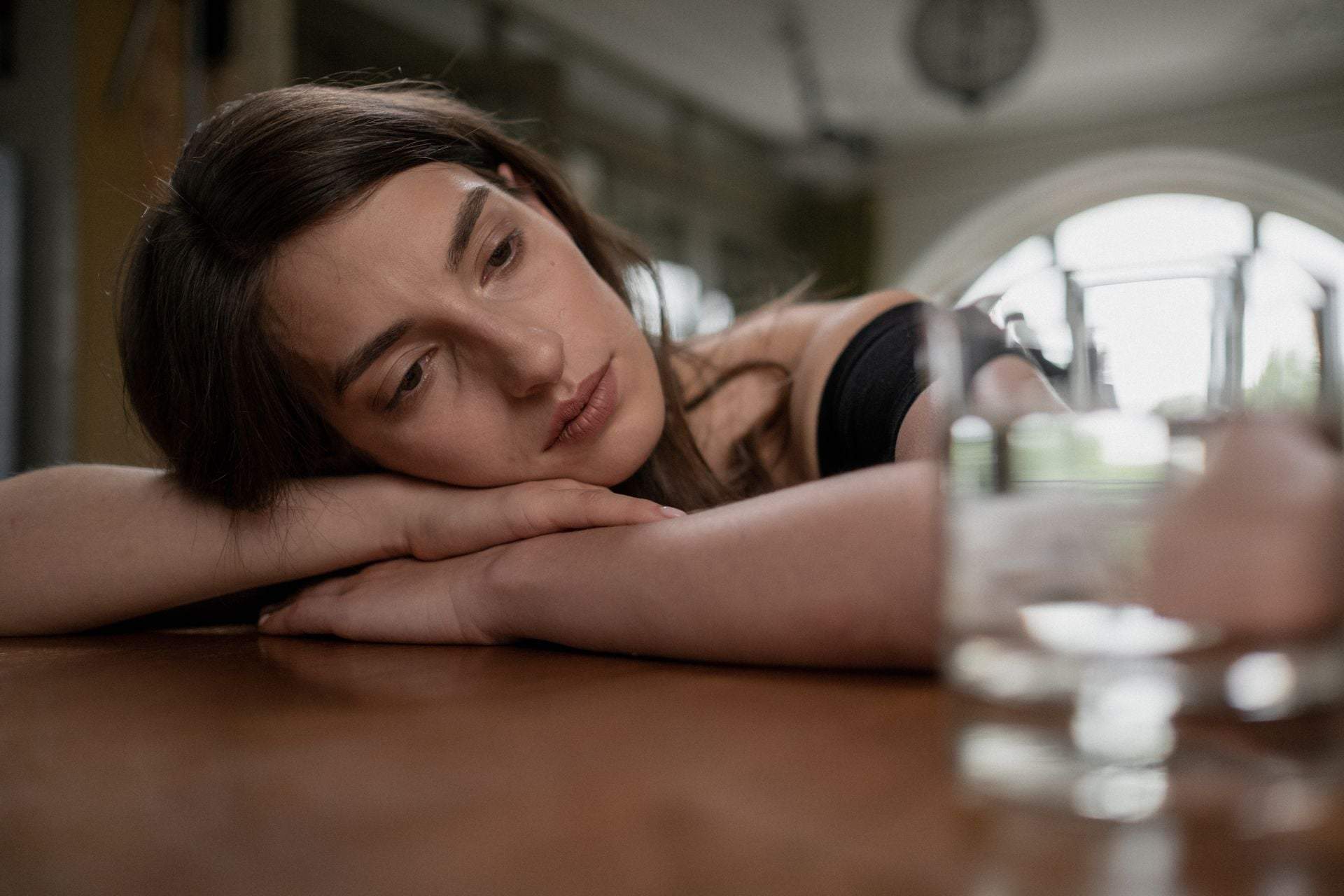
We often heard growing up that good girls are hardworking, quiet, and always put others first. But do these traits really serve us well as adults? The “good girl” syndrome can bring unexpected challenges in adulthood, especially when it comes to standing up for yourself and finding inner harmony.
Being able to assert yourself is essential for meeting the challenges of adult life.
Good girls often struggle with putting others’ opinions and needs before their own, making it hard to truly represent themselves.
This can block progress not only in their careers and personal lives but also take a toll on their mental health.
Recognizing Inner Tensions
When someone constantly tries to meet others’ expectations, it’s only a matter of time before they face inner tension and dissatisfaction. For a good girl, expressing the feelings she’s been suppressing can be especially tough. This inner conflict can lead to anxiety, self-esteem issues, and even depression over time.

Why Change Is Necessary
To step out of the good girl role, it’s crucial to realize that as adults, we don’t have to meet everyone’s expectations. Recognizing and following your own desires and goals is the first step toward change. In everyday life, this might mean not saying yes to every request or confidently standing up for your views.
Finding Your Own Path
As adults, drifting along isn’t enough. It’s important to build a life philosophy true to yourself—one based on your values and desires, not others’ expectations. This honest connection with yourself and your environment is key to living a balanced and joyful life.
Women’s Strength and Confidence
Leaving behind the good girl role isn’t easy, but believing in yourself and recognizing your inner strength is vital. When you start standing up for yourself bravely, you’ll feel the power of change and realize that you’re in control of your life. Confident women break free from the limits they were taught and truly thrive in every area of life.
In short, the “good girl” role often rests on social expectations that don’t support personal happiness and growth as adults. It’s worth revisiting and reshaping these deep-rooted patterns to guide us toward a more balanced and fulfilling life.