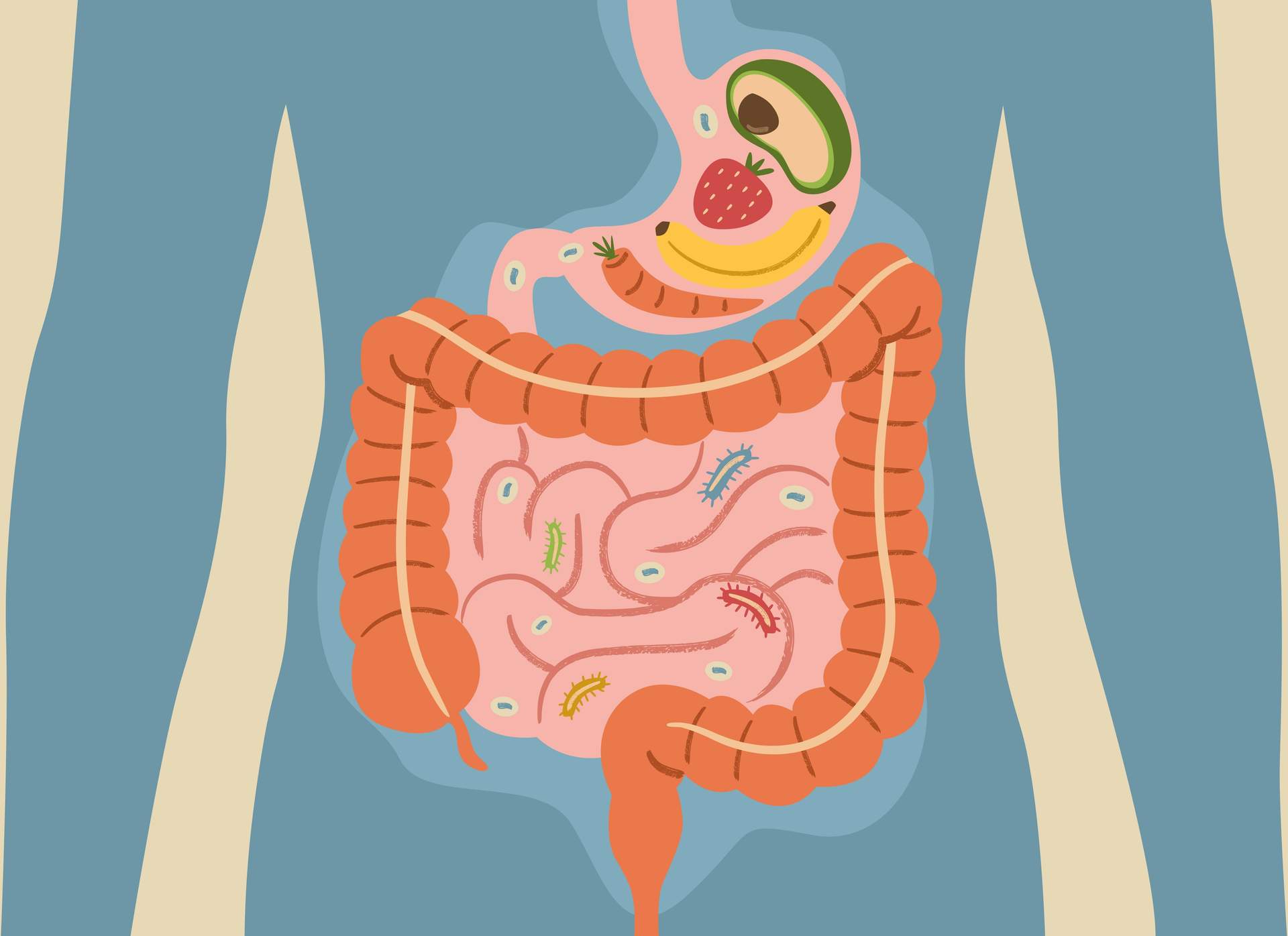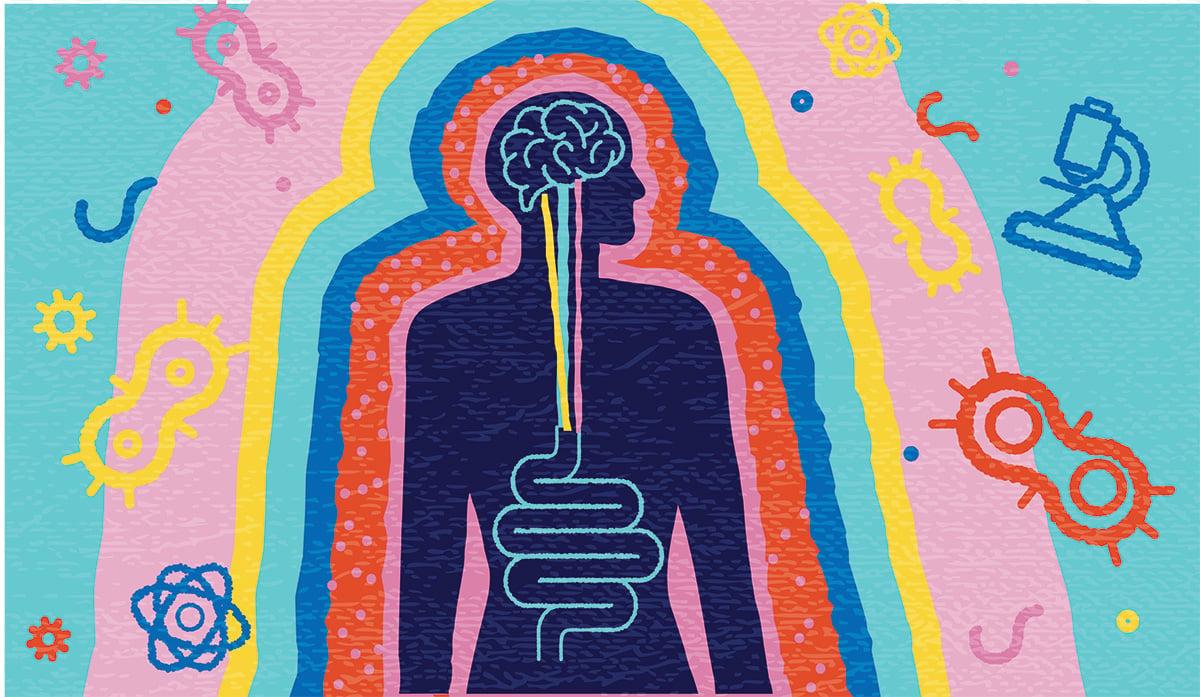
In recent years, science has shone a spotlight on a seemingly hidden world: the trillions of microorganisms living in our gut, collectively known as the microbiome. This invisible ecosystem is so much more than just a "helper in digestion" — it shapes our entire lives, influencing our physical and mental health, and even our personality traits and reactions. When we think only our genes or upbringing define who we are, we’re likely underestimating the powerful influence of our gut flora.
Through the gut-brain axis, there’s a constant, two-way conversation between our central nervous system and our gut. For example, much of the serotonin produced in the gut directly affects our mood. Equally important is how our diet shapes this tiny world: foods rich in fiber, probiotics, and prebiotics support a healthy balance, while processed, nutrient-poor foods can lead to chronic inflammation over time.
The quality of our life, our ability to handle stress, our focus, and energy levels all depend greatly on how well we support our gut microbes.
Now, let’s dive deeper into how gut flora connects to mental health, the role diet plays in this process, and the promising future of psychobiotics in therapy.
1/3. How Gut Flora Impacts Mental Health
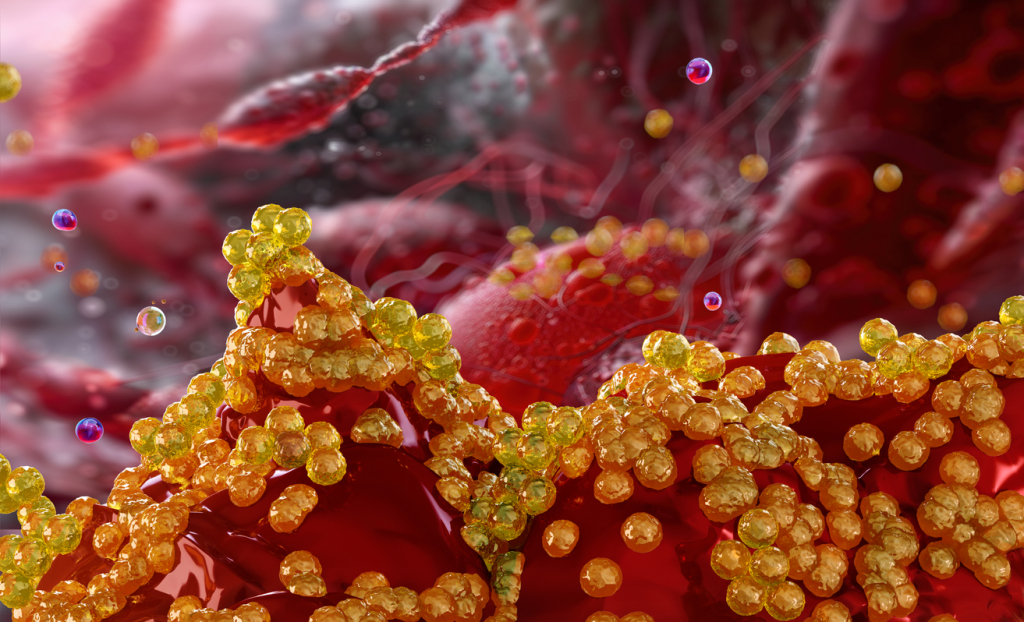
One of the most fascinating scientific findings in recent years is the link between gut flora and mental health. Research shows that the microorganisms in our gut don’t just aid digestion — they can influence our mood and emotional state.
The gut-brain axis, a two-way communication pathway between the central nervous system and the gut, allows substances produced in the gut, like serotonin, to affect the brain. In fact, a significant portion of the body’s serotonin is made in the gut, playing a key role not only in digestion but also in our mental well-being.
2/3. Diet as a Shaper of Your Gut Microbiome
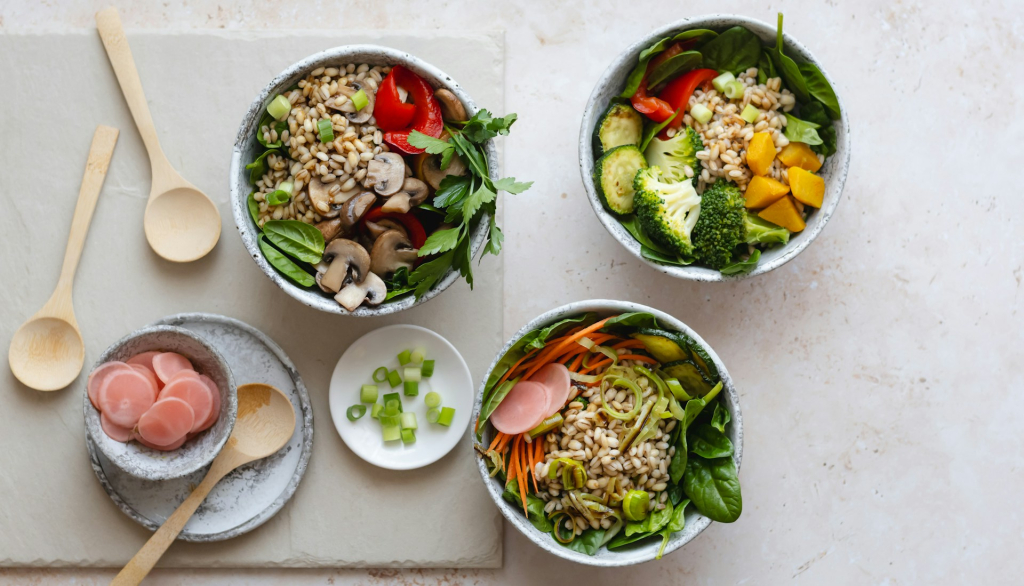
No two people have the same gut flora because this system is always changing and adapting — partly based on what we eat. A key discovery is that diet, especially fiber-rich foods, plays a fundamental role in shaping the gut flora’s composition.
Foods rich in probiotics and prebiotics help increase the number of beneficial bacteria. This not only supports digestion but can also boost your body’s defenses against illness. The Mediterranean diet is a great example, helping maintain a healthy gut balance and reducing the risk of inflammation.
3/3. The Future of Psychobiotics
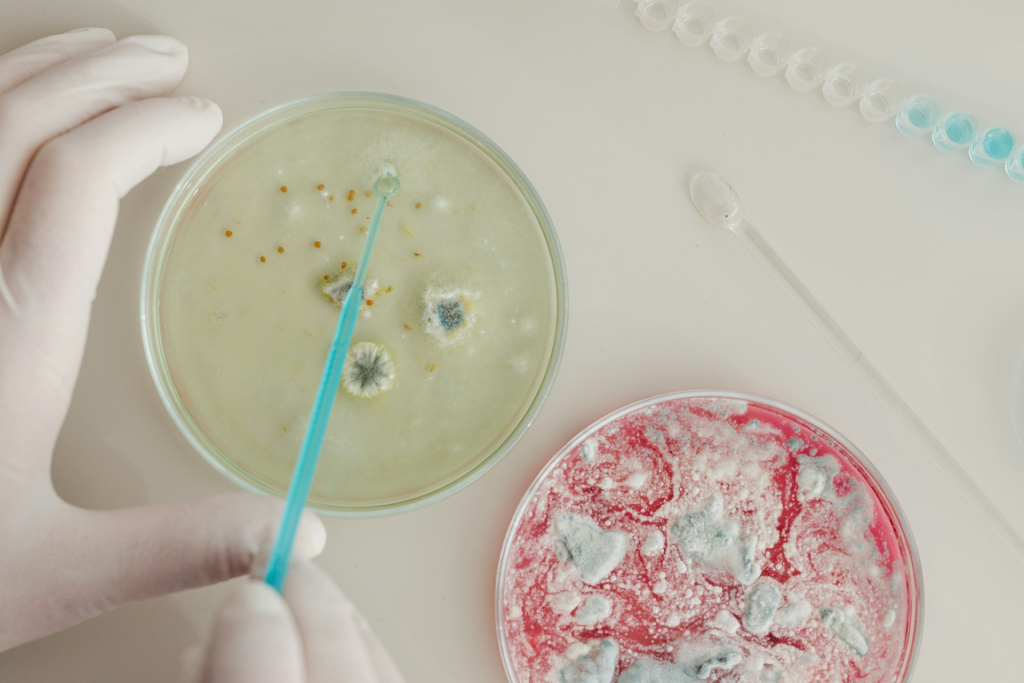
Looking ahead, science may unlock new possibilities through the gut-brain axis, especially with psychobiotics. These are probiotics that positively influence brain functions and could support mental health treatments.
More studies are focusing on psychobiotics as potential treatments for depression and anxiety. While there’s still much to learn, these emerging therapies could transform how we approach mental health. Experimental research on how gut flora and psychobiotics affect human behavior may open doors to personalized healing.