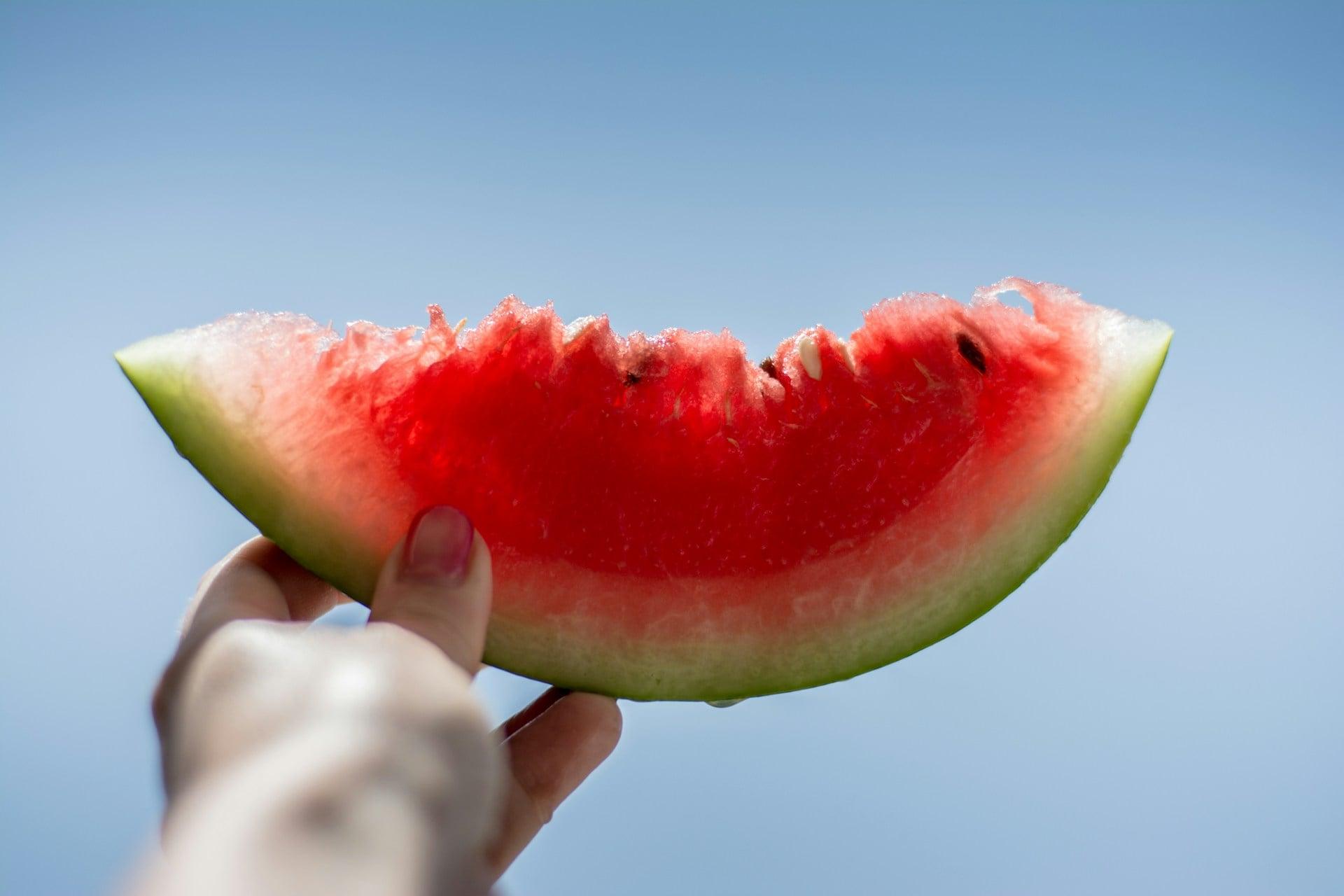
You've been there — you pick what looks like the most beautiful watermelon at the market, bring it home, cut it open, and it's pale, bland, and disappointing. The good news? Spotting a truly ripe, sweet watermelon is easier than you think, once you know what to look for.
The rind tells you more than you'd expect
Before anything else, flip the watermelon over and look at the bottom — the patch where it rested on the ground while it ripened. This spot is known as the field spot, and it's one of the most reliable ripeness indicators you have.
On a perfectly ripe watermelon, that patch will be creamy yellow or deep golden. If it looks white or very pale, the fruit was likely picked too early and won't be nearly as sweet. Also check the rest of the rind: the contrast between the dark and light green stripes should be sharp and well-defined, not faded or dull.
Give it a knock and listen carefully
It might feel a little odd tapping a watermelon in the middle of a grocery store, but this old trick genuinely works — and experienced shoppers swear by it.
A ripe watermelon produces a deep, hollow thud when you knock on it. If the sound is dull, flat, or too quiet, the fruit may be underripe, overripe, or already losing its moisture. The difference is subtle at first, but once you've heard it a few times, it becomes second nature.
If you can, compare two or three melons side by side. The one with the fullest, most resonant sound is almost always the juiciest inside.
Weight matters more than size
It's tempting to reach for the biggest watermelon on the pile — but size alone is a poor indicator of quality. What you really want is a melon that feels surprisingly heavy for its size.
A heavier watermelon typically means a higher water content, which is exactly what gives it that crisp, juicy texture. Shape matters too: melons that are evenly rounded tend to have ripened more consistently than oddly shaped or lumpy ones.
Irregular or heavily deformed watermelons can sometimes indicate uneven ripening — which often means uneven flavor as well.
How to store your watermelon once you've found the right one
Once you've picked a winner, proper storage keeps it at its best. A whole, uncut watermelon should be kept in a cool, shaded spot — it doesn't need to go straight into the fridge.
Once you've sliced it, though, always refrigerate it. Cover the cut surface tightly with plastic wrap or store the pieces in an airtight container to preserve the flavor, moisture, and freshness for as long as possible.
Keep these three things in mind next time you're at the market: a golden field spot, a deep hollow sound, and a satisfying weight. Get all three right, and you're almost guaranteed one of the best bites of summer.