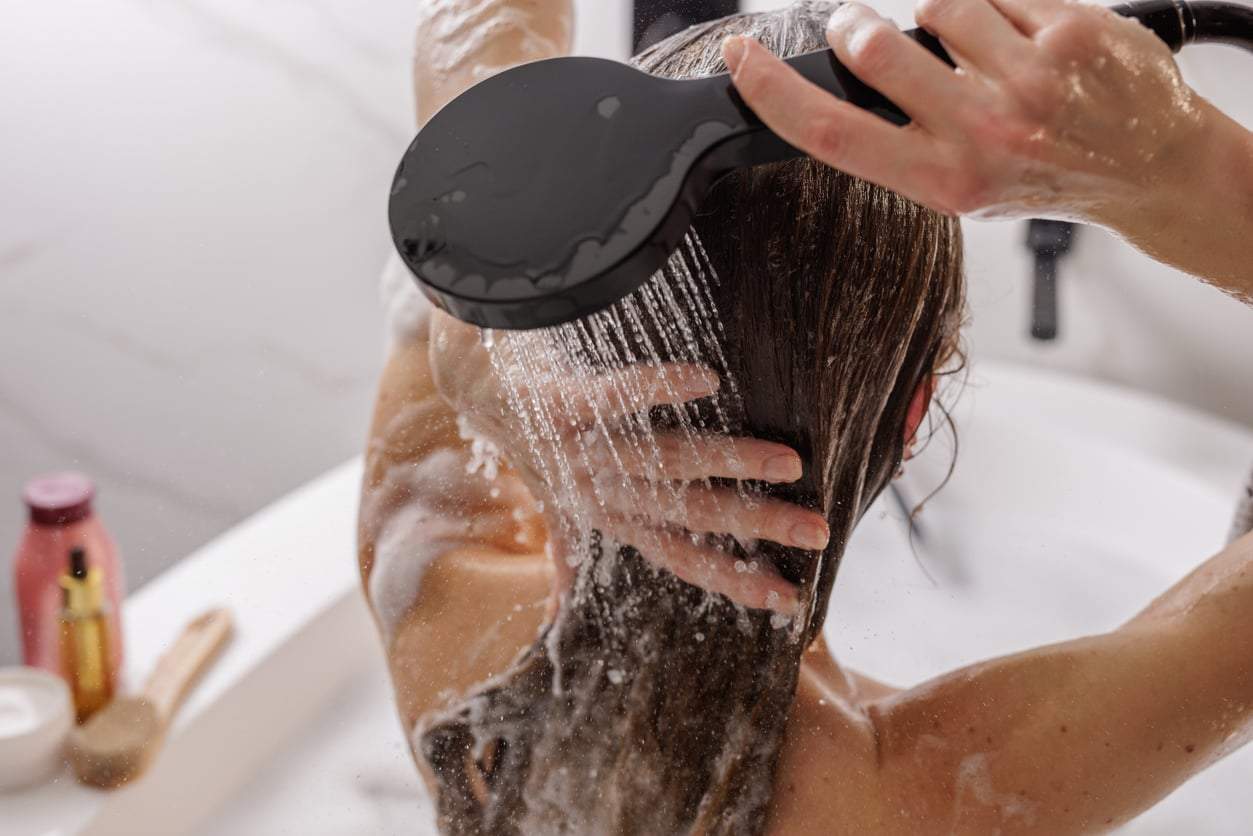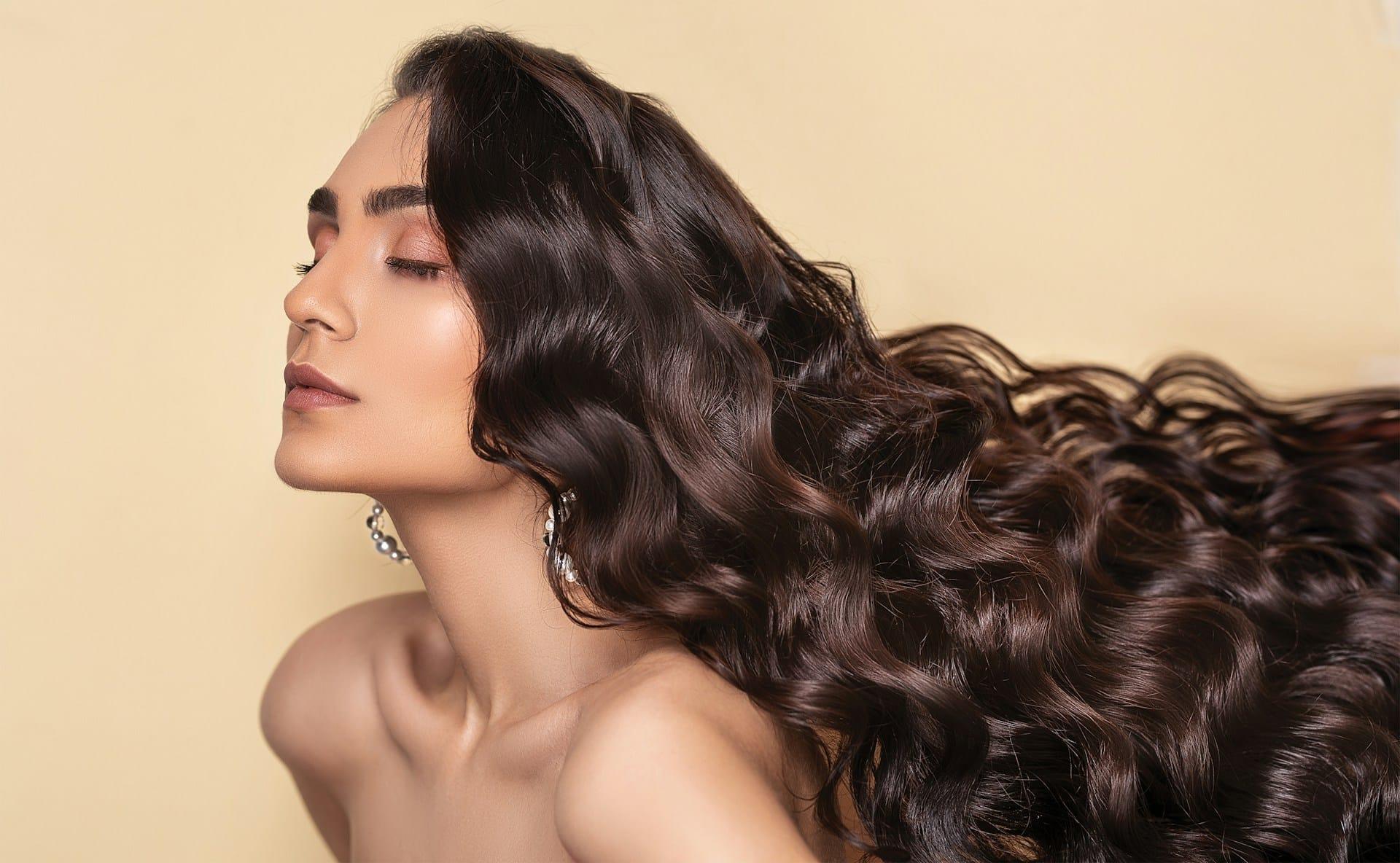
This situation is probably familiar: just weeks after a haircut, many dream of having longer hair again. Growing your mane is a bit of a mission—it takes care and attention to keep the growth steady. We asked Norbi Borbás, Lakmé’s brand ambassador and head educator in Hungary, for his top tricks to speed up the process!
Hair typically grows about 1 to 1.5 centimeters per month, so it’s key to keep that growth going—especially by preventing split ends. The most important thing? Take care of your hair and avoid damage as much as possible.
1/4. Supplements
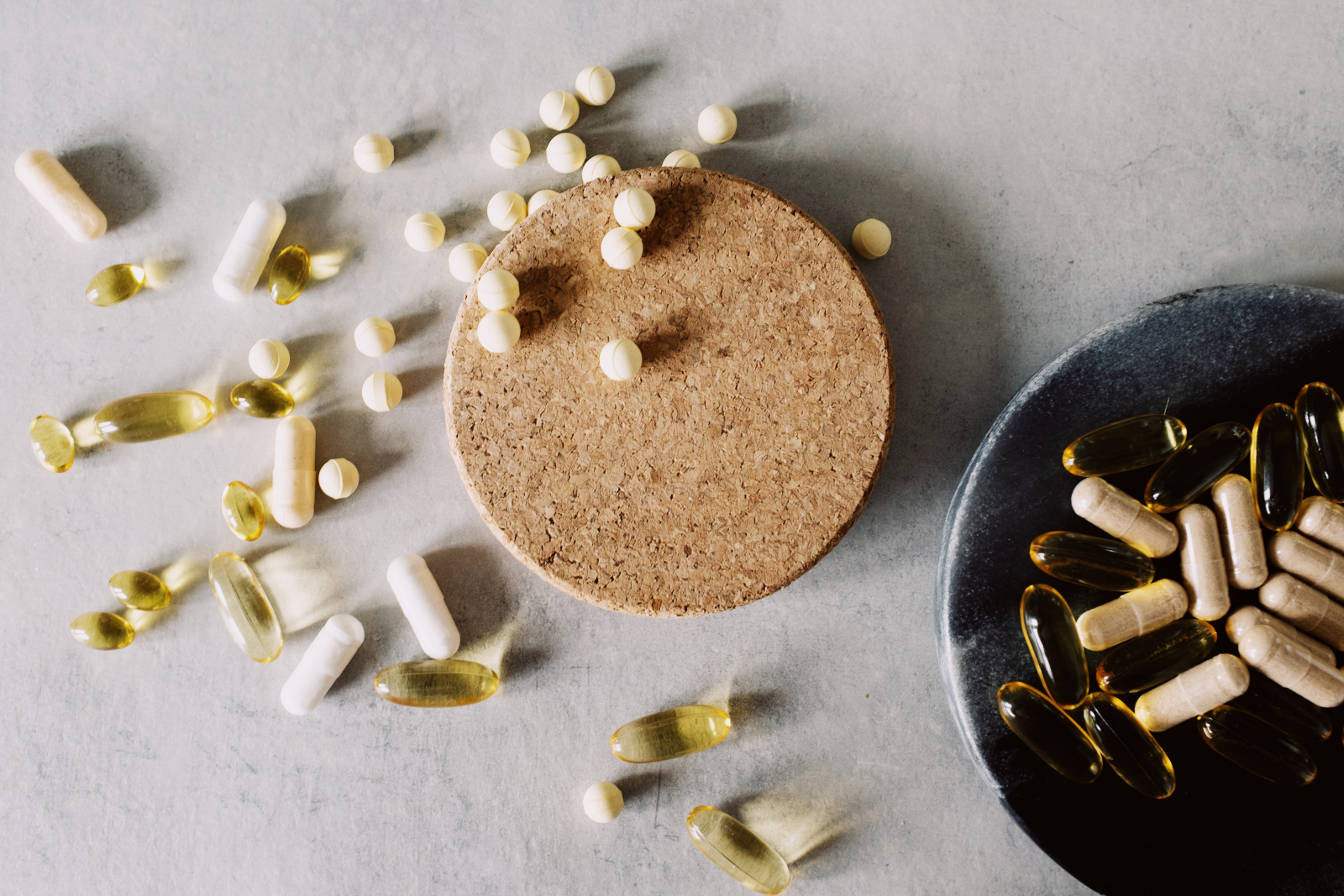
Norbi explains that everyone’s hair growth responds differently to supplements and vitamins. Hair growth boosters also vary in effect from person to person. He recommends looking for these key ingredients in a hair growth supplement, or at least 3-4 of them combined:
- Biotin: a B-vitamin family member
- Iron
- Zinc
- Iodine
- Vitamin C (for collagen production)
- Yeast
“I suggest trying a supplement you like consistently for a while, then deciding if it’s working for you.”
Since these products work differently for everyone, check your results from several angles:
- Is your hair stronger?
- Do you see new baby hairs?
- Do your nails feel tougher and your skin look healthier?
If you answered yes, keep going—the supplement is doing its job!
2/4. Hair Care
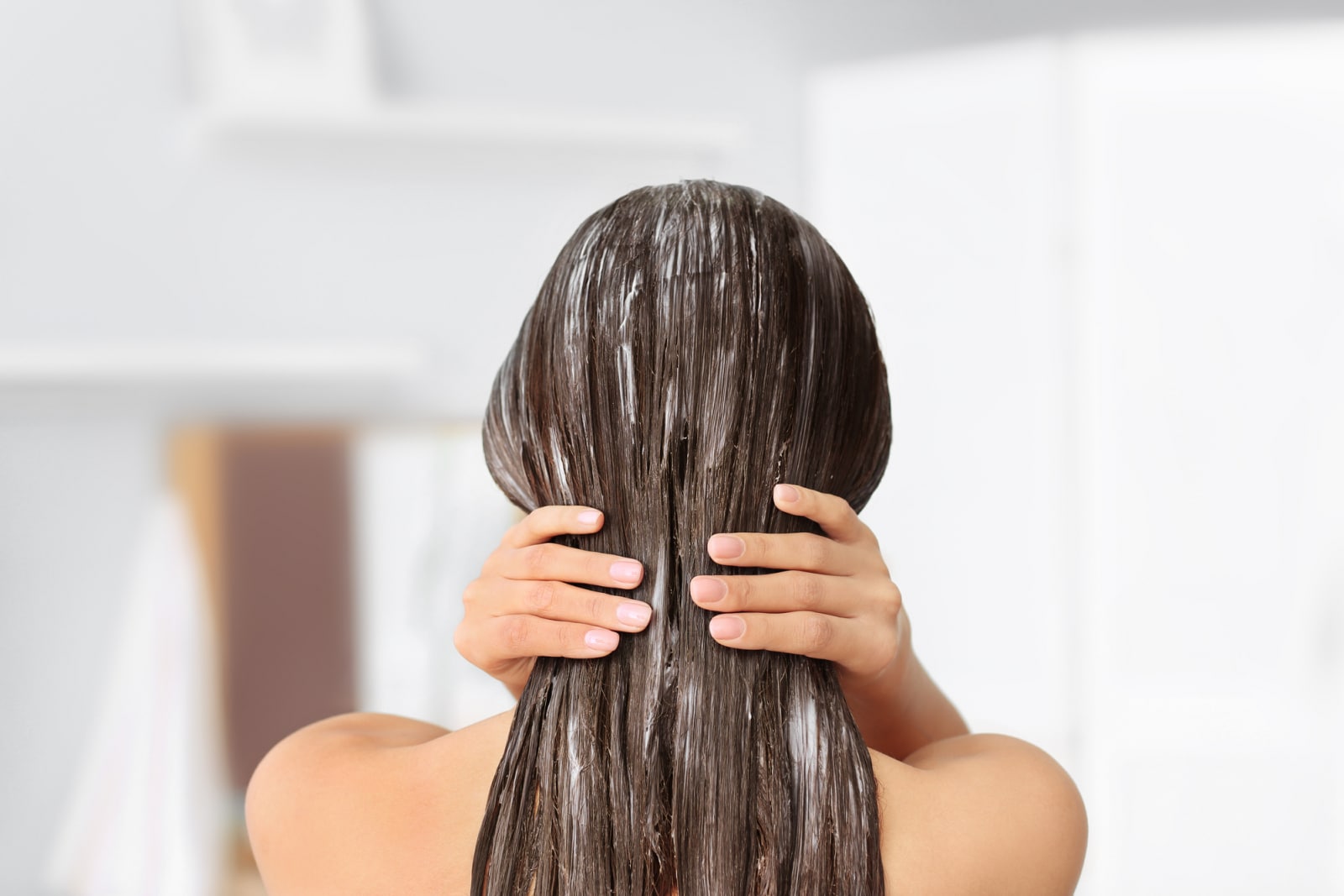
Another key factor is how you care for your hair externally. Proper care and strengthening your hair’s structure are essential for growth. With so many products out there, it’s smart to get your hairdresser’s advice—they know your hair best.
“Often, healthier-looking hair on the outside makes it feel like it’s growing faster. Think about hair regrowth after coloring—you might not feel length changes, but after 3-4 weeks, the new growth is clear.”
Norbi also recommends focusing on your ends. Strengthening treatments are available for home use, but they work best when applied by your hairdresser.
“Many clients tell me they can’t grow their hair past a certain length. My job is to suggest products and treatments that support growth as effectively as possible.”
Strengthening treatments usually involve multiple steps that nourish and rebuild hair from inside and out. They often contain unique keratin complexes that protect and repair damaged strands. You’ll see visible results after the first use.
“Unlike everyday masks, these treatments strengthen hair fibers from within, not just the surface. Clients say their hair becomes easier to manage, more flexible, and holds its shape better.”
After a salon treatment, Norbi suggests using the home versions regularly until your next appointment. Salon treatments are best repeated every 4-8 weeks, with home care maintaining the results between visits.
3/4. Minimizing Damage
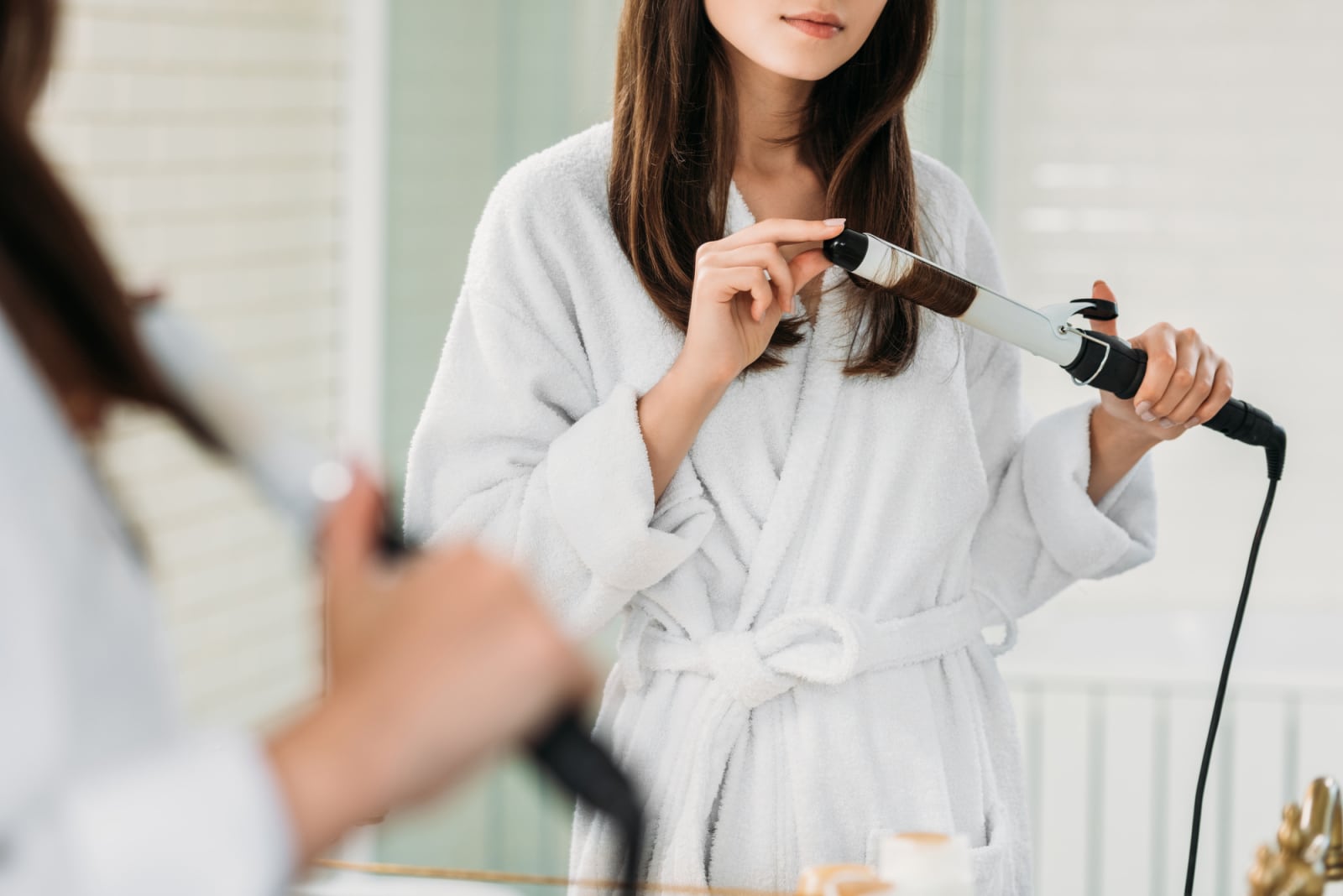
To grow your hair well, it’s crucial to avoid damaging it. Norbi says every hair type can find a style that works without heavy straightening, curling, or heat styling. Choosing a style that suits you and your hair means you’ll handle it more gently. For fine hair, denser cuts like bobs or long bobs are great options. Your hairdresser can guide you best.
“If you straighten, wash, style, and blow-dry your mid-length or long hair every day, it might be a sign that a more practical style is out there for you.”
Norbi also recommends washing your hair less often, avoiding chlorinated or salty water, high-heat styling tools (like curling irons, wands, straighteners), and strong UV exposure to protect your hair.
“If you must use heat tools, choose a low temperature, work with smaller sections, and handle the tools gently (don’t clamp your straightener too hard). Always use a leave-in conditioner or heat protectant spray with these tools.”
Many forget that hair needs summer protection just like skin. There are special product lines that shield hair from harmful UV-A and UV-B rays—think of them like sunscreen for your hair. Use them whenever you’re in the sun.
“These usually come in small or medium sizes, and I recommend sprays or oils—they’re the most convenient. Using them multiple times a day helps protect your hair from sun damage and dehydration, which are key for healthy growth.”
If your hair gets dry, brittle, or hard to comb after sun exposure, try a nourishing after-sun mask. These are great for repair and prevention, protecting hair from the sun’s harmful effects.
4/4. Hair Coloring
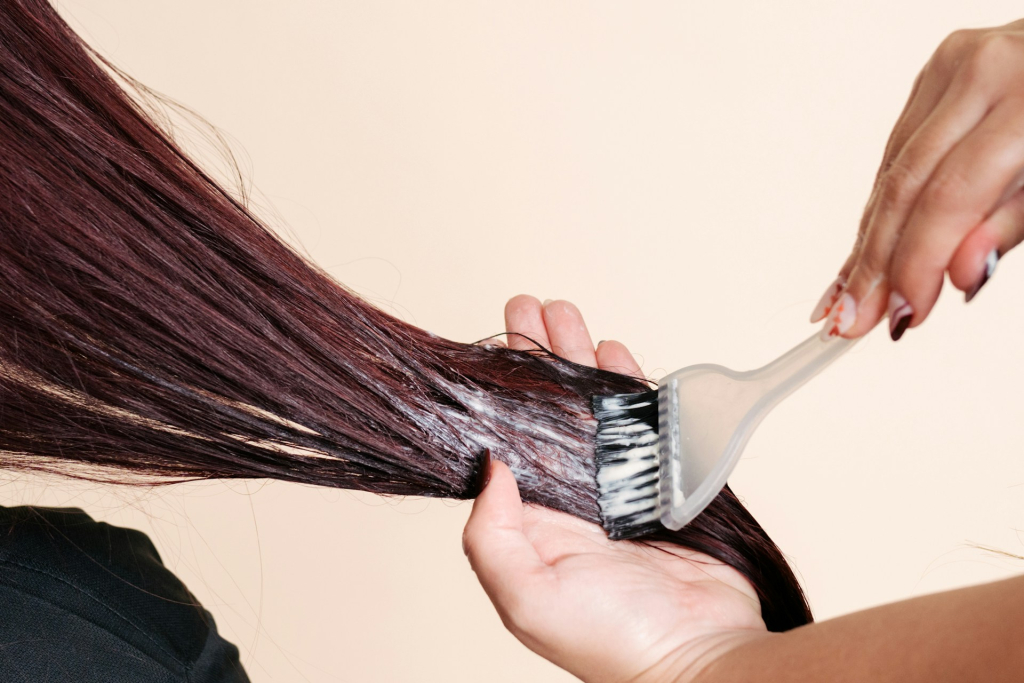
Hair coloring matters too, since frequent color changes can affect hair health.
“I can’t stress enough how important it is to choose professional-quality care and coloring products. Leave the color and application to a pro who can pick the shade that fits your style and lifestyle best.”
Norbi advises that if you visit your hairdresser every 2-3 months, avoid shades that differ drastically from your natural color, as regrowth can become noticeable in just 2-3 weeks. Instead of full-color treatments, consider hand-painted techniques like balayage or ombré—they’re gentler and can look great for 2-3 months. If you have gray hair, root touch-ups every 4-5 weeks combined with these techniques are a smart choice, he adds.
“For hair growth, the gentler and less frequent you color, the better your results. You can even use strengthening treatments alongside coloring to save time—your hairdresser can do both in one session.”
So, the best way to grow your hair is to protect and nourish it from the outside while keeping up with your vitamins. Don’t hesitate to consult your hairdresser—they can help you find the perfect products and methods just for you!