Here are five old but highly effective tricks that not only let you create sparkling cleanliness in your home but might also bring a bit of nostalgia into everyday life!
Care for and dust your furniture with a tea bag
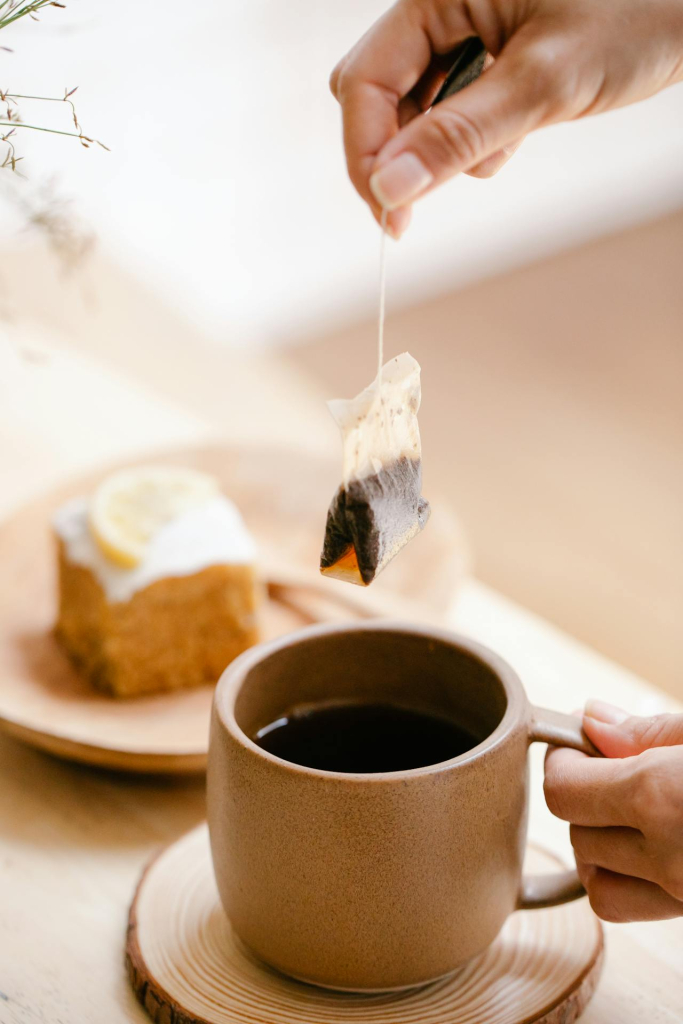
It may seem surprising at first, but a used (cooled down) black tea bag can be a practical and eco-friendly tool for furniture care. Tea has a mild disinfectant effect, and the damp bag attracts dust. This method works especially well on dark-colored or lacquered wooden furniture, which tends to get dusty quickly and where lint-free cleaning is crucial.
How to do it: Brew a cup of black tea, then let the bag cool. Gently wipe the furniture surface with it, then polish with a soft, dry cloth. The tea gives the wood a natural shine while helping to remove dust and fingerprints. And the best part is it leaves no chemical smell behind.
Use newspaper for window cleaning

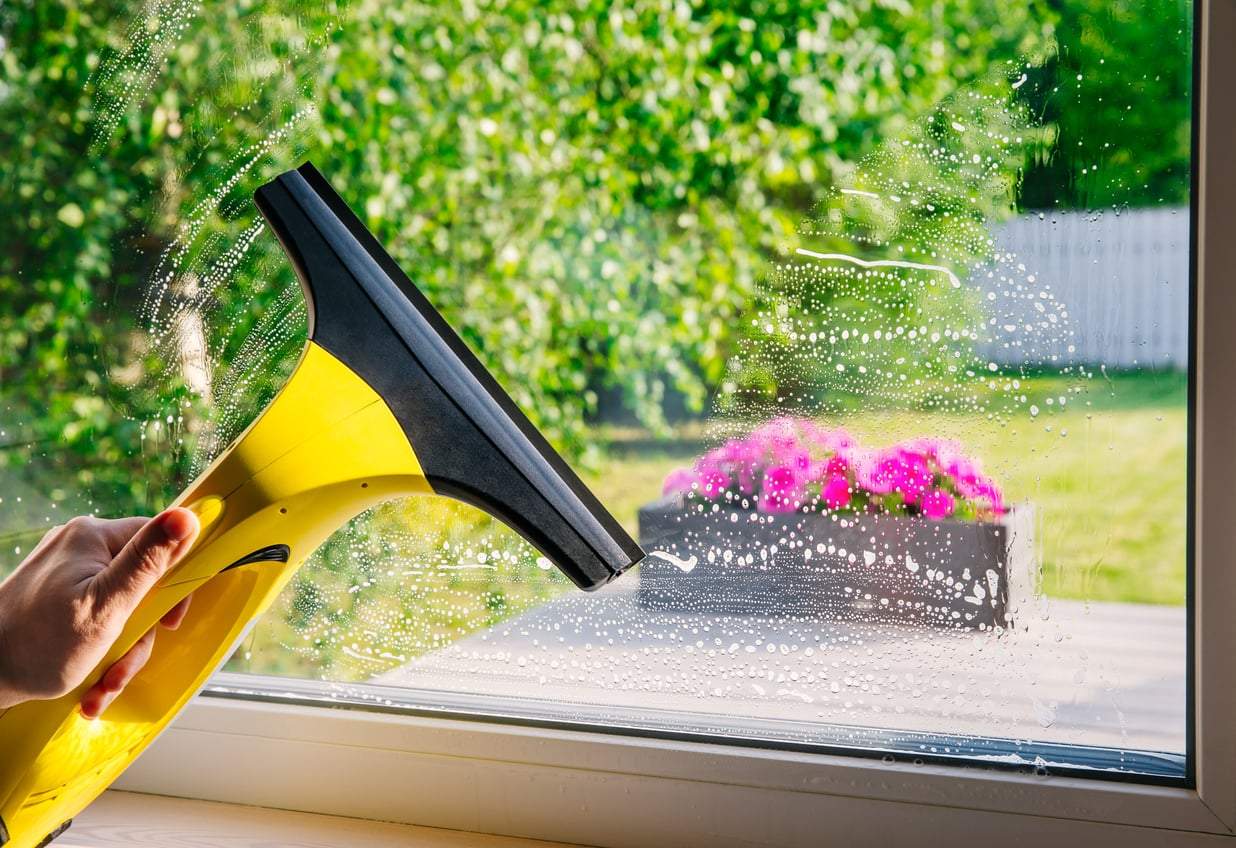
Almost forgotten today, but in the past, households typically polished windows with newspaper - and for good reason. Newspaper does not leave lint or streaks and absorbs moisture excellently.
If you don't have window cleaner at hand, vinegar water also works: mix one part vinegar with three parts water, spray on the window, and wipe with crumpled newspaper. It will shine!
One thing to always keep in mind: today’s glossy, coated magazine paper is not suitable for this! Instead, use classic black-and-white newspaper, which has a matte, porous surface (e.g., daily newspapers).
Use salt against stubborn stains
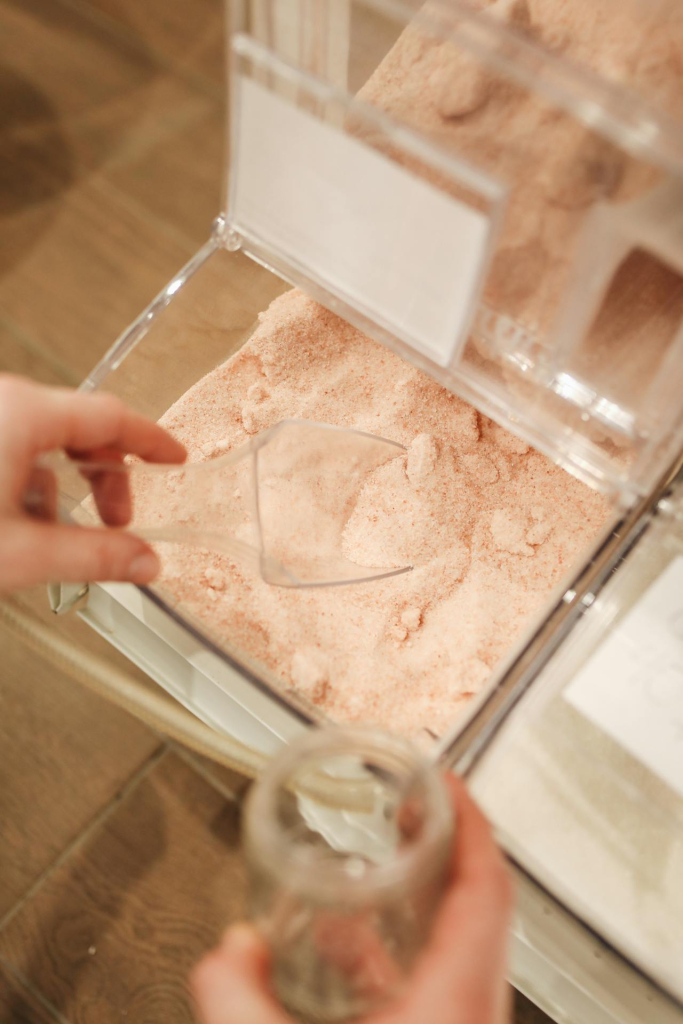
Don’t think of salt only for seasoning food - it can work wonders in cleaning too! Our grandmothers, for example, sprinkled salt on freshly spilled red wine or coffee: salt quickly absorbs moisture, helping prevent the stain from deeply penetrating fabric or surface. But it’s important to use it immediately while the stain is still fresh - and afterwards, it’s advisable to treat the area with other cleaners or stain removers.
Salt also works well as a natural abrasive: if sprinkled on half a lemon, it effectively cleans wooden cutting boards (especially if already used or slightly discolored), as well as stainless steel sinks or faucets. The lemon leaves a fresh scent, and the salt helps loosen dirt and discolorations.
However, on more sensitive surfaces - such as marble, limestone, or granite - it’s best to avoid this method because the acidity of lemon can trigger a chemical reaction that may fade, etch, or discolor the stone, and salt can cause tiny scratches. If unsure, always test on a less visible spot first - or choose a gentler, neutral pH natural cleaner.
Remove broken glass shards with bread

If a glass or plate breaks and you feel there might still be tiny invisible shards on the floor, grandma’s method is a slice of bread! The bread’s texture catches even the smallest glass pieces that a broom or vacuum might miss.
Just gently press the bread onto the broken area (of course, wearing gloves), then throw it away. It works better than a cloth and will likely pick up even the tiniest shards!
Hot water and soap can also be your good friends
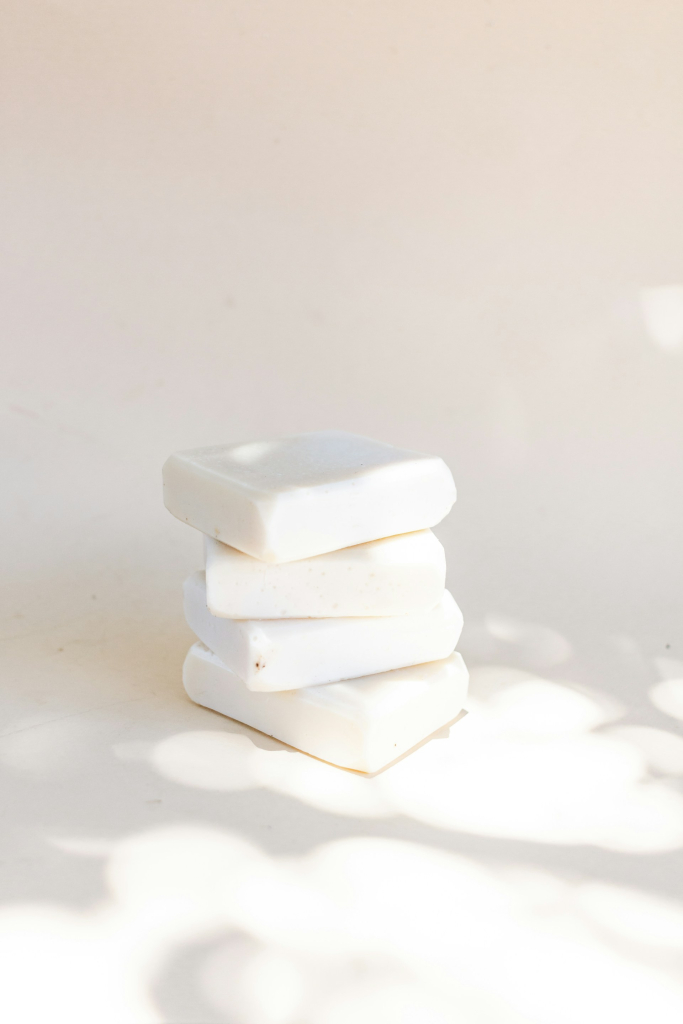
Our grandmothers solved almost every problem with the combination of hot water and natural soap. Warm water helped loosen dirt, while soap gently but effectively removed grime without using harmful chemicals.
Whether cleaning floors, tiles, tablecloths, or curtains, warm water and soap was one of the most effective and safest solutions. So why not use it today as well? Just always make sure to use natural soap free of artificial fragrances, dyes, and preservatives!
If you want to increase effectiveness, you can easily make your own cleaning solution from grated natural soap, which removes dirt and bacteria while being gentle on surfaces.