Finding a trail of ants marching across your kitchen counter is one of those small domestic horrors that demands an immediate solution. Before you reach for harsh chemical sprays, there's a gentler — and surprisingly effective — alternative: essential oils. Ants have an extremely sensitive sense of smell, and certain natural scents are so overwhelming to them that they simply turn around and leave. Here are four essential oils that ants genuinely can't stand, plus exactly how to use them.
Peppermint essential oil
Peppermint oil is one of the most powerful natural ant deterrents you can find. Its sharp, intense aroma completely disrupts the ants' ability to follow scent trails, leaving them disoriented and unwilling to push further into your home.
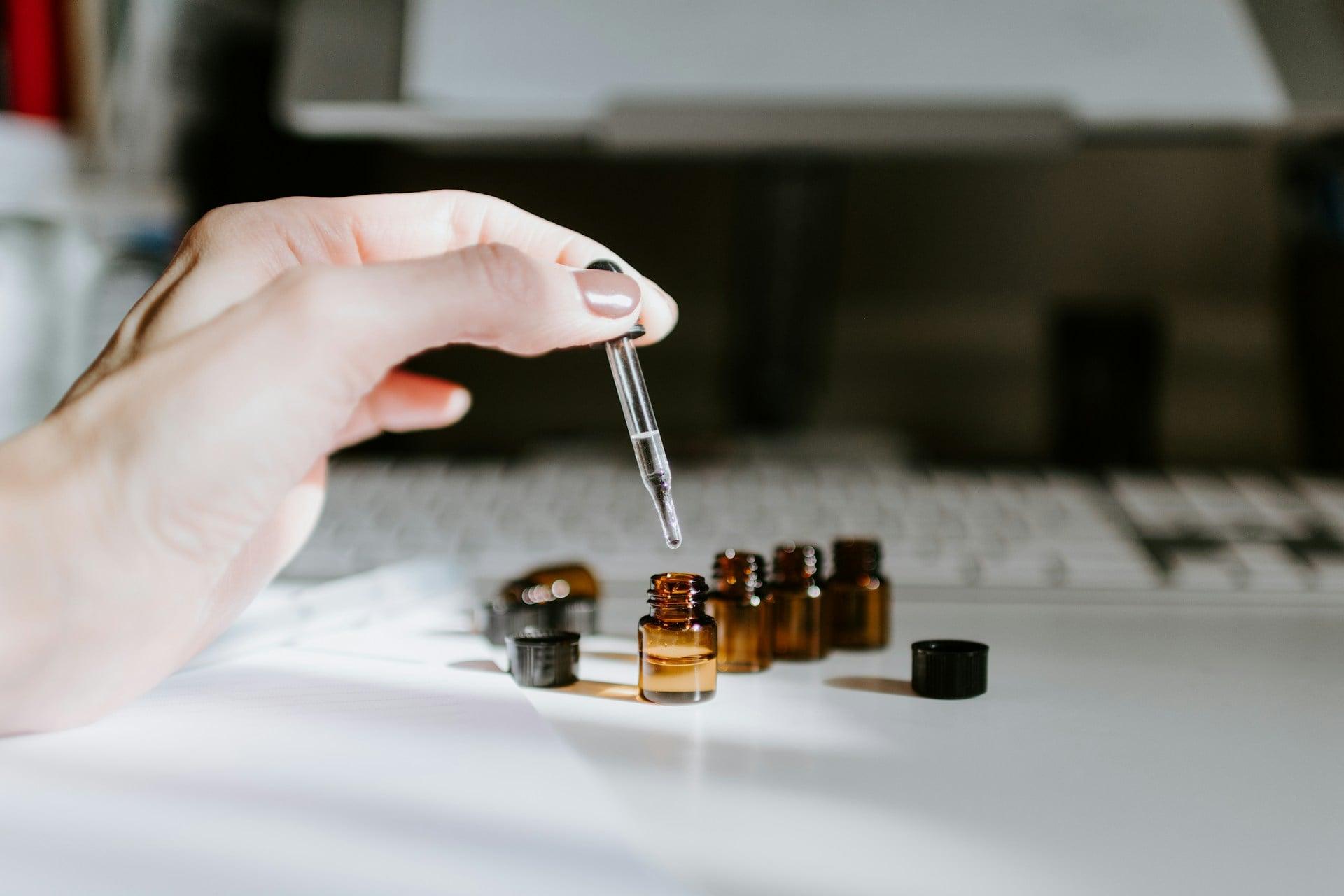
How to use it: Mix 10 drops of peppermint essential oil with 100 ml of water in a small spray bottle. Shake well and spritz the solution along baseboards, windowsills, door frames, and anywhere you've spotted ant activity. These entry points are where it matters most.
Lemon balm essential oil
Lemon balm oil has a fresh, citrusy scent that smells wonderful to us — but ants find it deeply unpleasant. It works in much the same way as peppermint: the strong aroma masks the chemical trails ants use to navigate, making your kitchen feel like hostile territory.
How to use it: Dilute with water and spray along ant pathways and entry points, just as you would with peppermint oil. Keep in mind that essential oils evaporate over time, so reapply every few days to maintain the effect.
Looking for more ways to keep insects out of your home naturally? There are plenty of plant-based solutions worth exploring beyond essential oils.
Tea tree essential oil
Tea tree oil pulls double duty in the kitchen. Beyond its well-known antibacterial properties, it's also a strong natural insect repellent. Used against ants, it doesn't just drive away the ones already present — it helps prevent future invasions by disrupting the pheromone trails they leave behind for others to follow.
How to use it: Place a few drops directly onto ant trails, or dilute with water to create a spray. Apply along countertops, cabinet edges, and any cracks or gaps where ants might be entering.
Eucalyptus essential oil
Eucalyptus oil has a bold, medicinal aroma that ants simply cannot tolerate. It's particularly effective when applied to the corners of kitchen counters and other spots where ants tend to congregate.
Pro tip: Some people find that combining eucalyptus oil with lavender oil boosts its effectiveness even further. The two scents work together to create an even stronger barrier that ants are reluctant to cross.
How to get the best results
These four oils can be used individually or blended together for a more powerful effect. A few key things to keep in mind:
- Always dilute before use, especially on surfaces where you prepare food.
- Clean the surface first. Before applying any oil, wipe down the area to remove existing ant pheromone trails — otherwise, new ants will keep following the same invisible map back into your kitchen.
- Reapply regularly. Essential oils evaporate, so consistency is the key to keeping ants away long-term.
If you want to tackle an ant problem without filling your home with chemicals, these natural oils are a genuinely effective place to start. They're safe for your family, better for the environment, and they smell far better than anything you'd find in a pest control aisle.