1. Family Meals Are a Daily Tradition
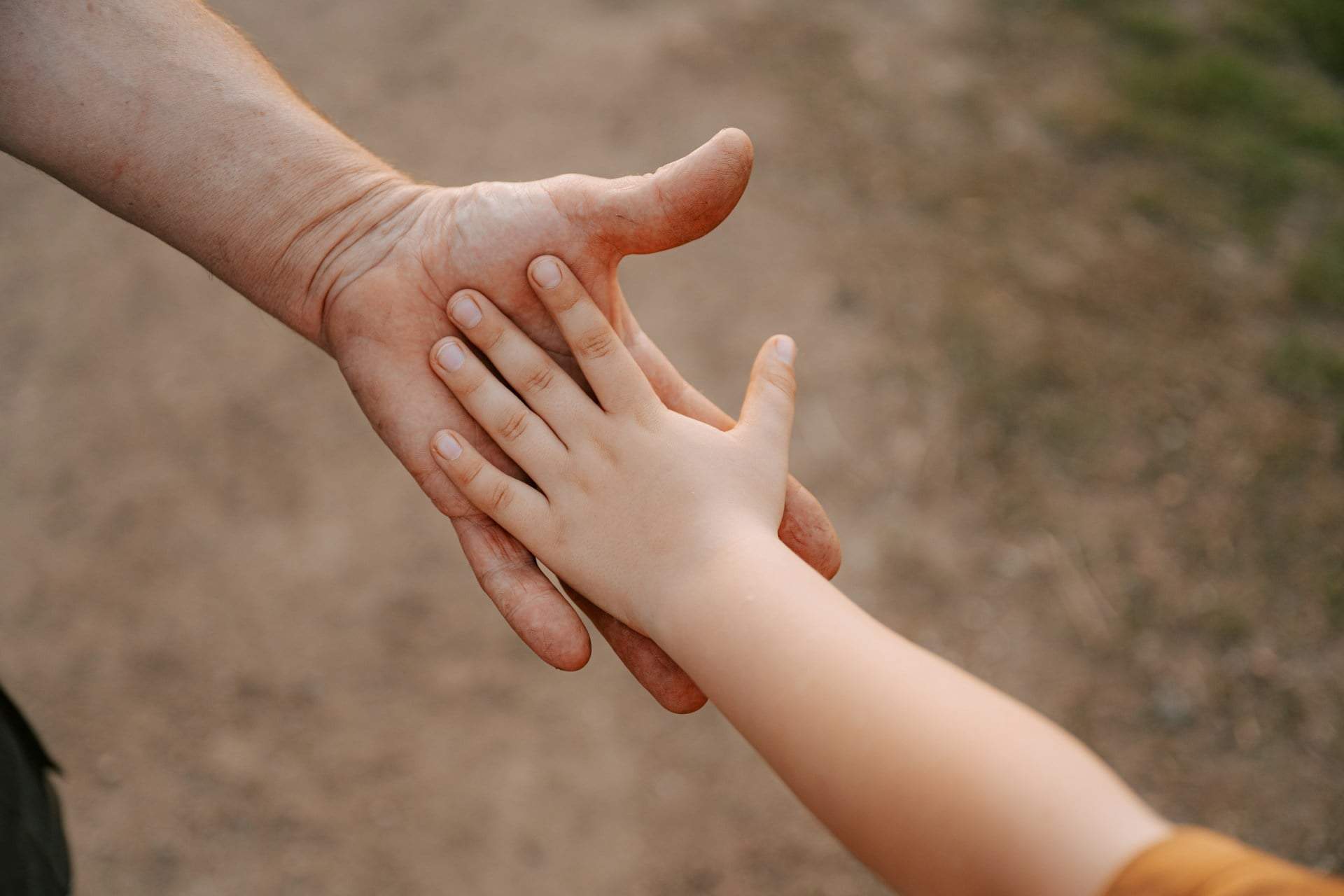
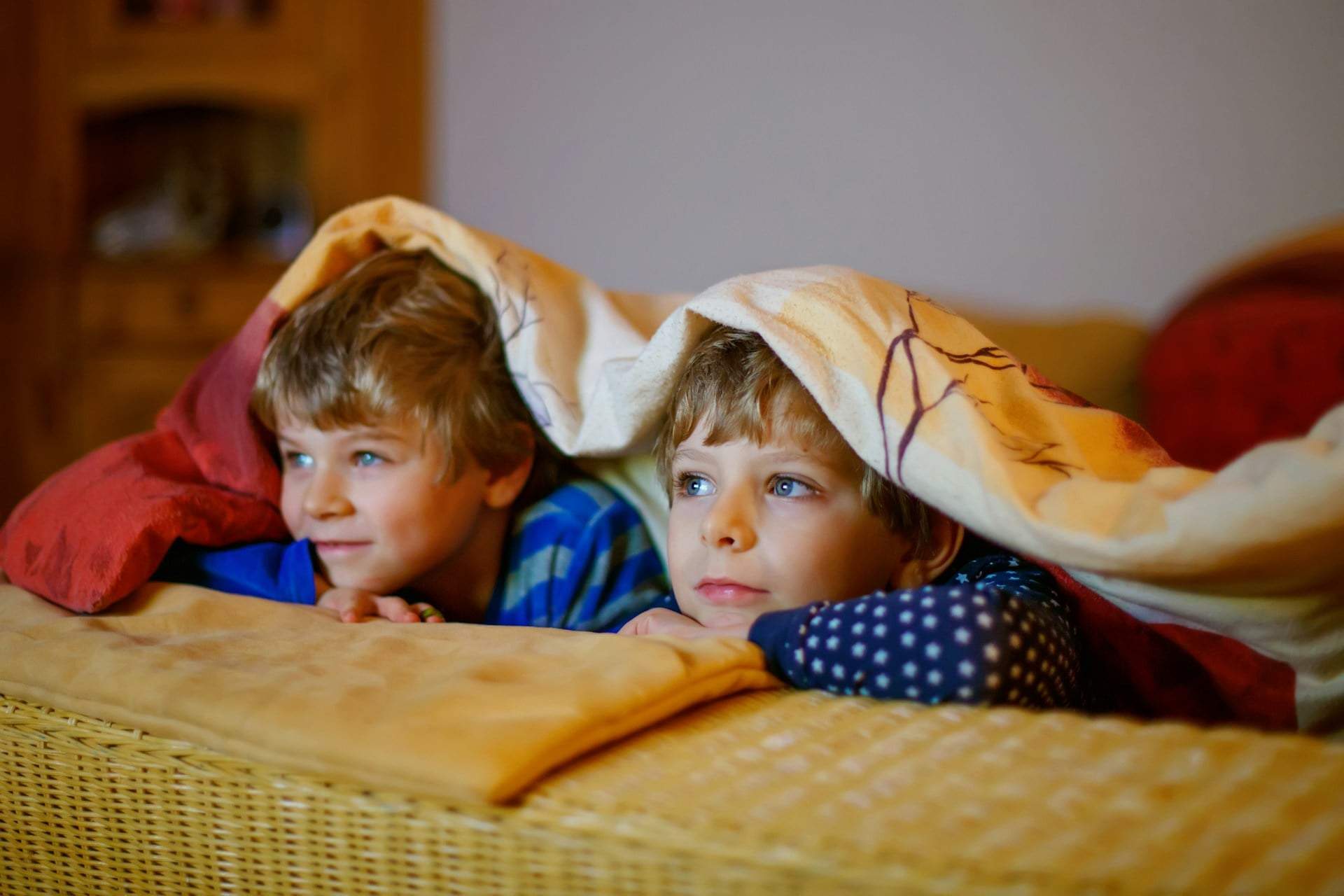
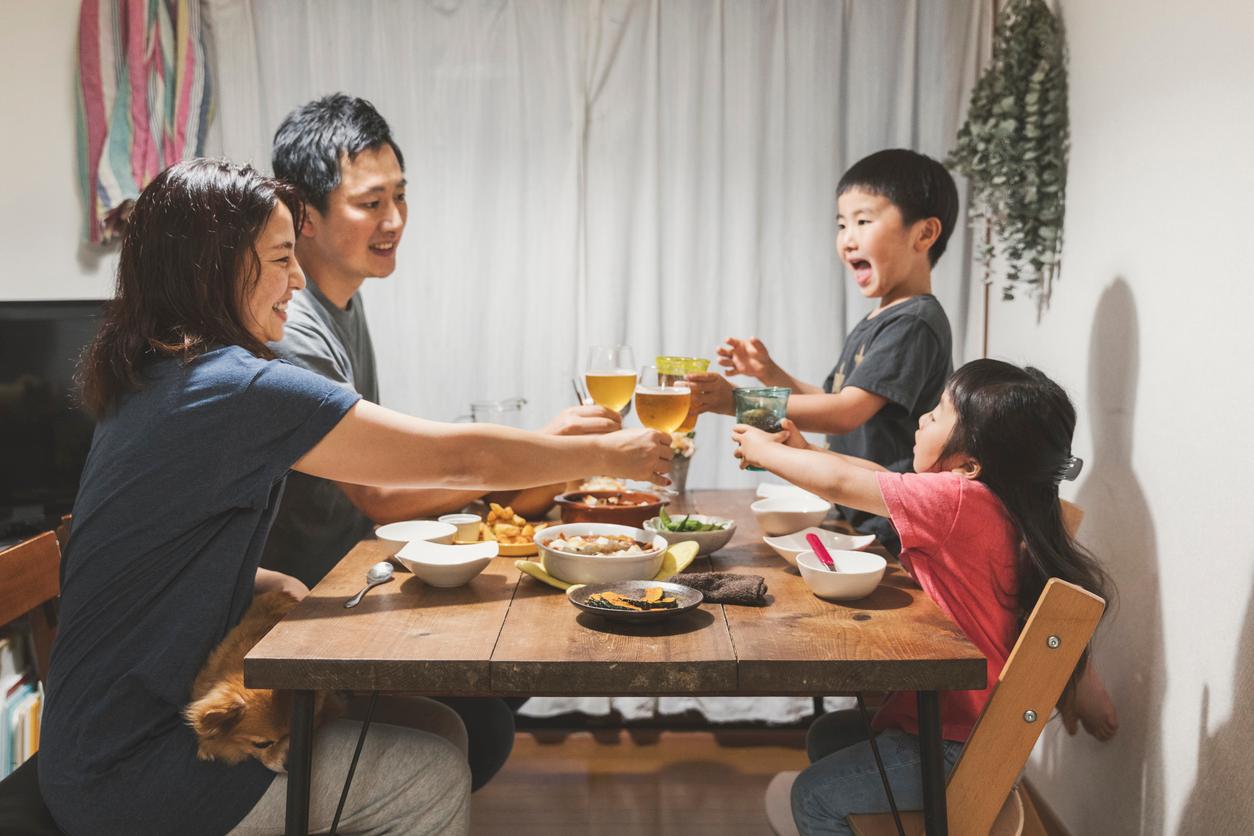
In Japan, family meals are cherished rituals that nurture relationships, not just appetites. These gatherings create space to share the day’s events, feelings, challenges, and celebrations, building stronger bonds and easing conflicts.
Research shows kids who regularly join family meals face fewer emotional and social challenges and do better in school. Embracing these moments in Hungarian homes could help lower stress and boost family unity.
2. Traditions Run Deep
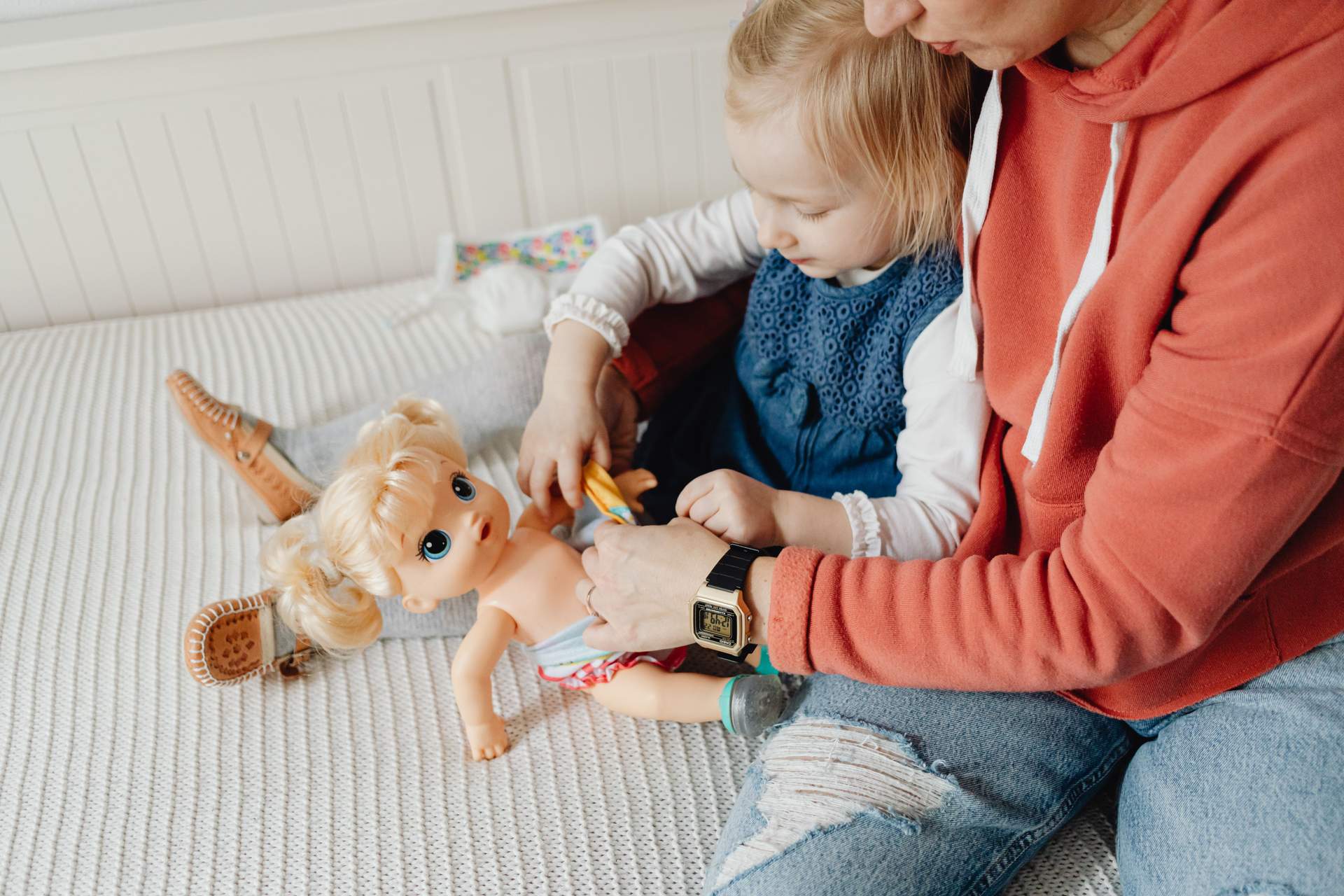
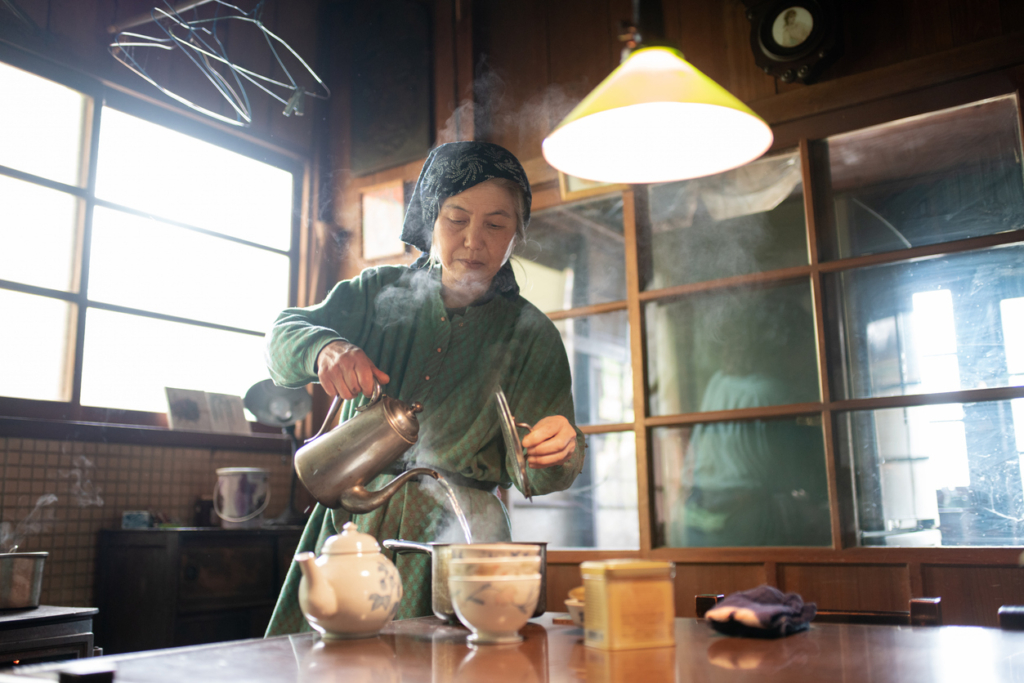
Japanese families place great value on cultural and family traditions. These aren’t just for holidays—they’re woven into daily life through tea ceremonies and crafts that pass down heritage and strengthen family identity.
Keeping traditions alive and nurturing bonds across generations could also enrich Hungarian families, helping kids develop a strong sense of self and belonging.
3. Protecting the Environment with Care
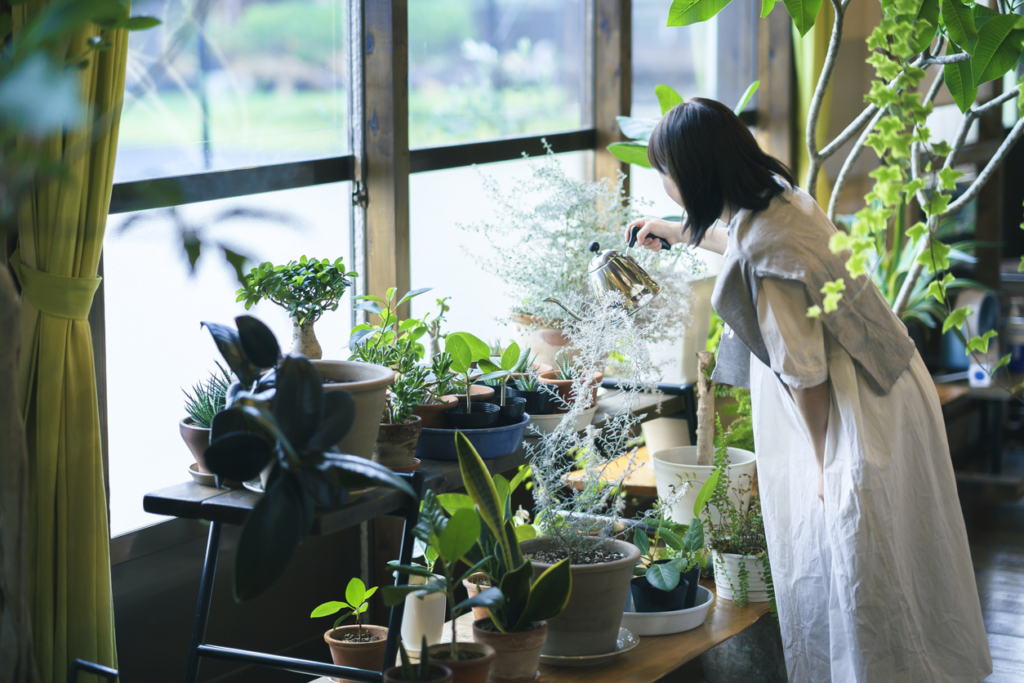
Japanese families are deeply committed to environmental awareness and sustainability. Recycling and strict waste sorting are everyday habits. This not only protects our planet but teaches kids early on the value of natural resources and how their lifestyle impacts the environment.
Bringing this mindset into Hungarian daily life would not only help the environment but also set a powerful example for future generations, paving the way for a more sustainable future.
4. Self-Discipline and Perseverance
Self-discipline and perseverance are core values in Japanese culture. From a young age, children are encouraged to work hard, improve themselves, and keep going even when things get tough. This mindset plays a big role in Japan’s strong work ethic and academic success.
Incorporating these values into Hungarian parenting could boost children’s future success—not just in school but in all areas of life.
5. Thoughtfulness Towards Others
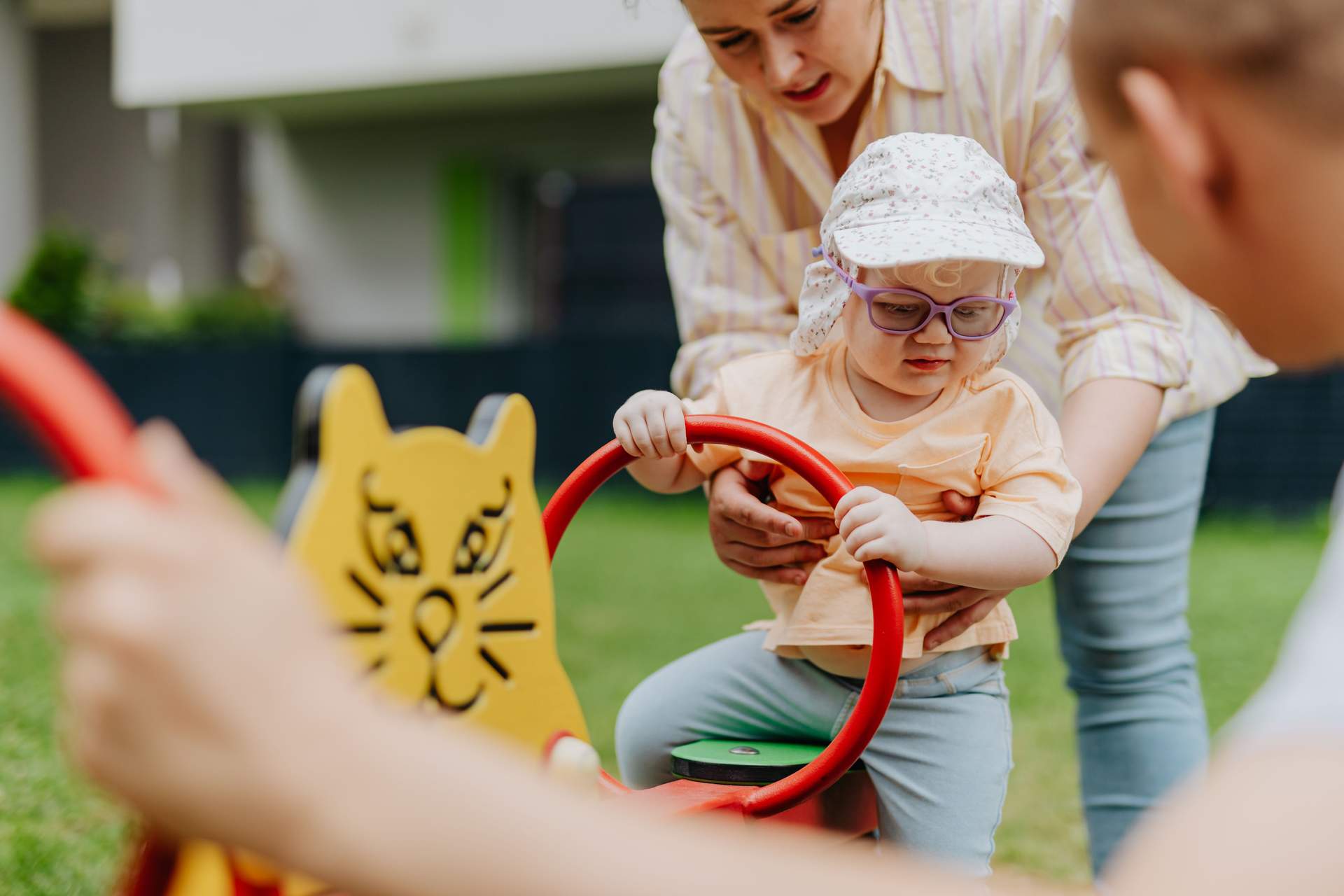
Empathy, attentiveness, and politeness are key in Japanese families. Kids learn early to be mindful of others’ feelings and needs, fostering harmony in their communities. This sense of responsibility strengthens cooperation and compassion into adulthood.
Adopting these values in Hungary could create a more empathetic society where people support each other—essential for tackling complex community challenges together.