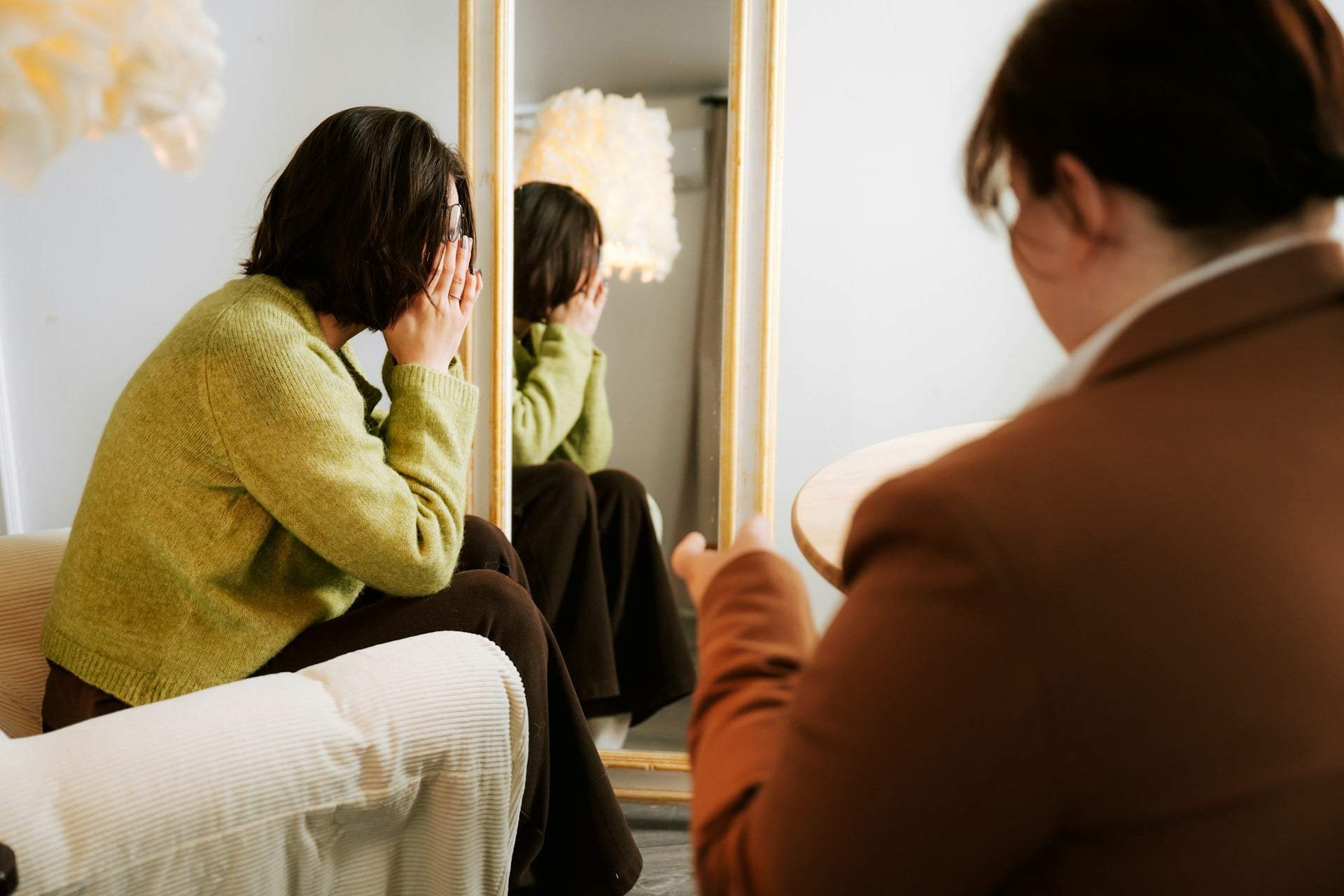
Something big is happening inside you, but you don’t talk about it. You’re exhausted, yet you push through the day with clenched teeth. Your friends offer help, but you just wave it off with a "I’ve got this."
If this sounds familiar, you’re probably proud of being independent and always taking care of yourself. But when you consciously decide to exist like an island—or sometimes even sink rather than ask for help—you’re practicing an extreme form of independence called toxic independence.
While toxic independence isn’t an official diagnosis in the DSM (Diagnostic and Statistical Manual of Mental Disorders), it can still have a serious impact on your mental and emotional well-being.
Healthy Independence vs. Toxic Independence
“There’s a clear difference between healthy independence and toxic independence,” says Yasmine Saad, a clinical psychologist. Healthy independence gives you the freedom to balance self-care with leaning on others—without inner conflict. Toxic independence, on the other hand, means clinging to self-reliance at all costs and actively avoiding asking for help. “Healthy independence is a choice, while toxic independence is a survival strategy.” Saad explains.
California-based psychotherapist Elizabeth Winkler believes toxic independence often starts in childhood as an adaptive response to experiences like inconsistent care, lack of safety, or neglect.

“Asking for help felt risky, so excessive self-reliance became the go-to strategy,” she explains. “Vulnerability felt dangerous and weak, leading to avoidant behaviors like refusing support.”
Toxic independence can also develop later, for example, after a hurtful relationship, according to Saad. If you’ve been cheated on, you might shut yourself off from relationships because solitude feels safer. It can also show up as taking on everything at work because you’re “allergic” to delegating, or refusing friends’ help when you’re sick or moving.
Signs Your Independence Has Turned Toxic
You Never Ask for Help
You wear self-reliance like a badge of honor and pride yourself on not needing anyone. This shows up in small moments—like handling a tech glitch alone—but also in big life events like breakups, job loss, or grief. Whether help is offered or not, you simply don’t accept support. If just thinking about asking for help makes you anxious, toxic independence is likely at play.

You See Any Form of Dependence as Weakness
You might look down on those who ask a lot of questions, lean heavily on their partner, or easily ask for favors. You see vulnerability not as strength but as something to be ashamed of. This can block you from letting others in, accepting care, or being emotionally available.
“With healthy independence, others’ help feels neutral. With toxic independence, it feels like a burden and weakness,” says Saad.
You Feel Isolated
While independence can be appealing, its toxic form can seriously damage your relationships. “Intimacy is built on vulnerability, trust, and mutual reliance—without these, deep connection isn’t possible,” says Winkler. Without them, loneliness, suppressed anger, and even depression can develop. At work, it can lead to burnout, frustration, and being blamed for poor teamwork.

You Crave Control and Struggle to Trust Others
Whether it’s a group project or planning a girls’ trip, you feel only you can do it right. “With toxic independence, people believe that if they don’t do the task themselves, it won’t get done—or they’ll get hurt, betrayed, trapped, or disappointed,” Saad says. You dislike not being in charge and make sure decisions always rest with you.
You’re Determined to Protect Yourself at All Costs
According to Saad, toxic independence centers on defense. It’s not about trust but fear of the worst-case scenario. Even if you feel overwhelmed, you won’t reach for a lifeline. You’d rather go it alone, even if it drains your time and energy.
“Toxic independence looks strong on the outside but feels exhausting inside,” Saad says.

How to Break Free from Toxic Independence
“The first step is recognizing the pattern and pausing when it kicks in. I often say: if your reaction is intense, it usually comes from the past. A younger, suppressed part of you is responding based on how it learned to cope.” Winkler explains. Compassion for yourself and your inner child—without judgment—is key to healing.
Saad adds that the work also involves shifting your mindset and emotional capacity.
“On a cognitive level, help from others should feel less threatening, and the hidden costs of independence need to become clear,” she says. She suggests recalling a time you handled everything alone, reflecting on the consequences, then imagining what you might have gained by accepting help. This helps your mind see independence and reliance more realistically. Emotionally, your nervous system needs to learn to feel safe receiving support.”
“Even if you understand intellectually that help has benefits, your body might still react with tension or discomfort,” Saad says. Healing is like strengthening a muscle: it happens through small, low-risk experiences. Start by accepting a friend’s coffee invite or a gift from family without overthinking it. No need to reciprocate, explain, or analyze—just let it happen. “Over time, these moments recalibrate your emotional system, making it safer to accept support.” Saad adds.

As you gradually loosen your grip on control, life becomes noticeably easier. “Independence shifts from a rigid, exhausting state to a flexible, empowering experience. You remain competent and autonomous but no longer feel like you have to carry everything alone.”
When you allow yourself to give and receive help, life feels more balanced, and your relationships shine in a new light.