Back to the Future
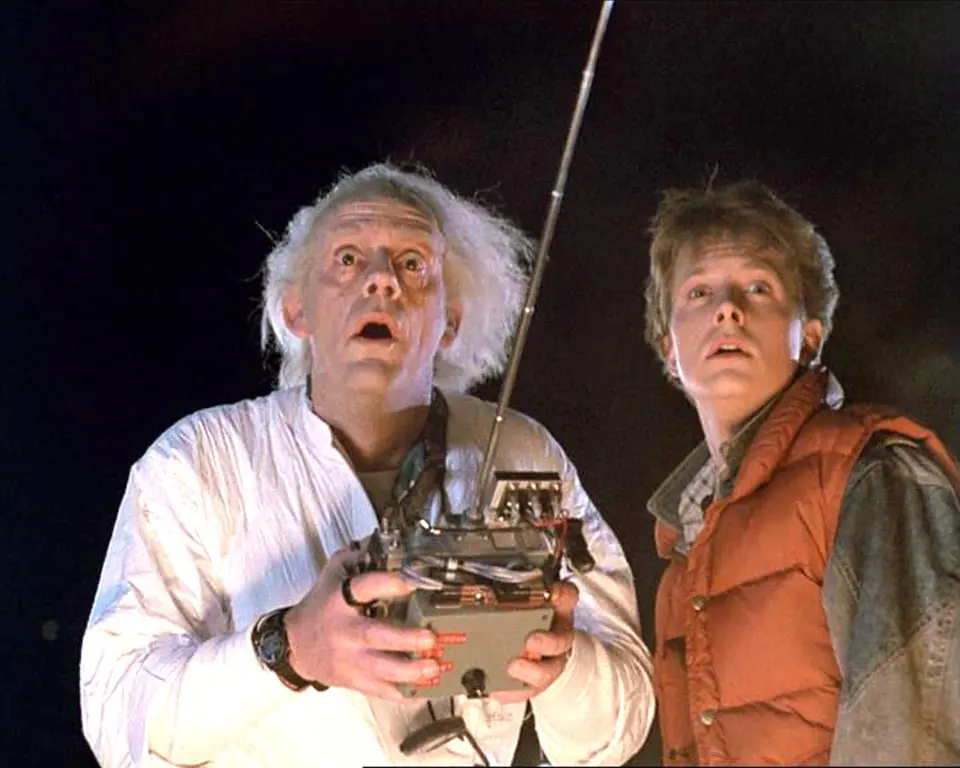
Back in 1985, hardly anyone expected the tech from Back to the Future to become part of our reality. The second film, set in 2015, introduced us to self-lacing shoes and the hovering hoverboard. The self-lacing shoes became real in 2016 when Nike released the Nike Mag with automatic lacing technology.
The hoverboard, however, is still not widely available, but many companies are working to turn this iconic gadget into reality, and the first prototypes have already been shown.
2001: A Space Odyssey
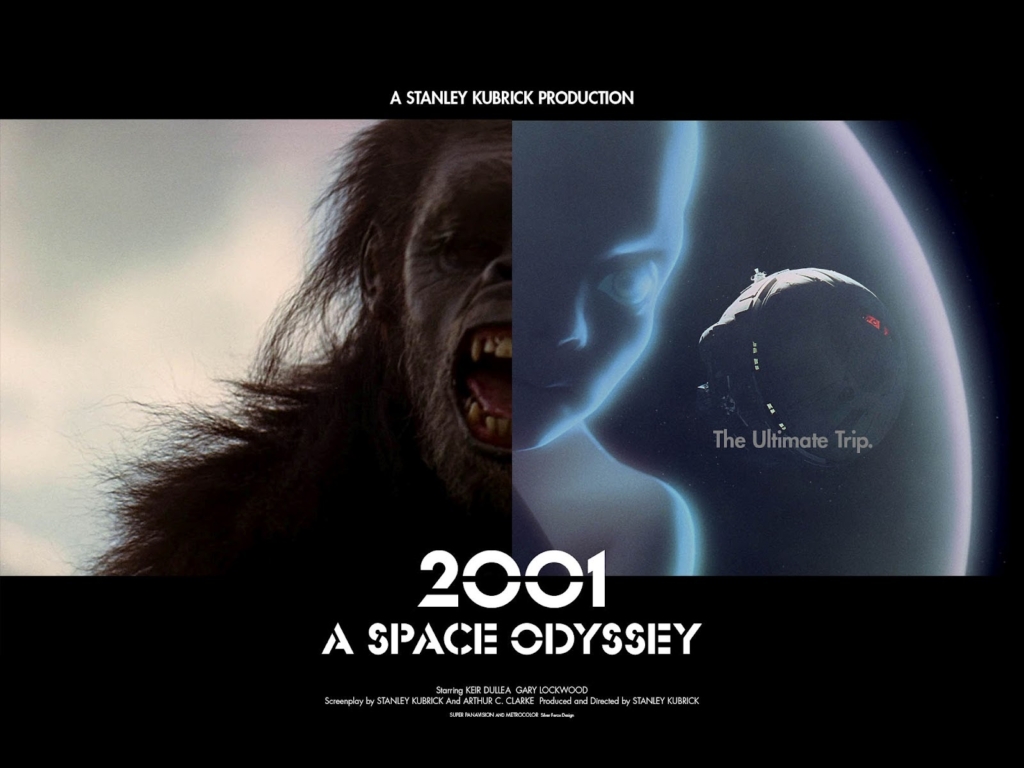
Stanley Kubrick and Arthur C. Clarke’s masterpiece, 2001: A Space Odyssey, predicted many tech innovations that are now part of daily life. The standout is the video call, featured during long space missions in the film.
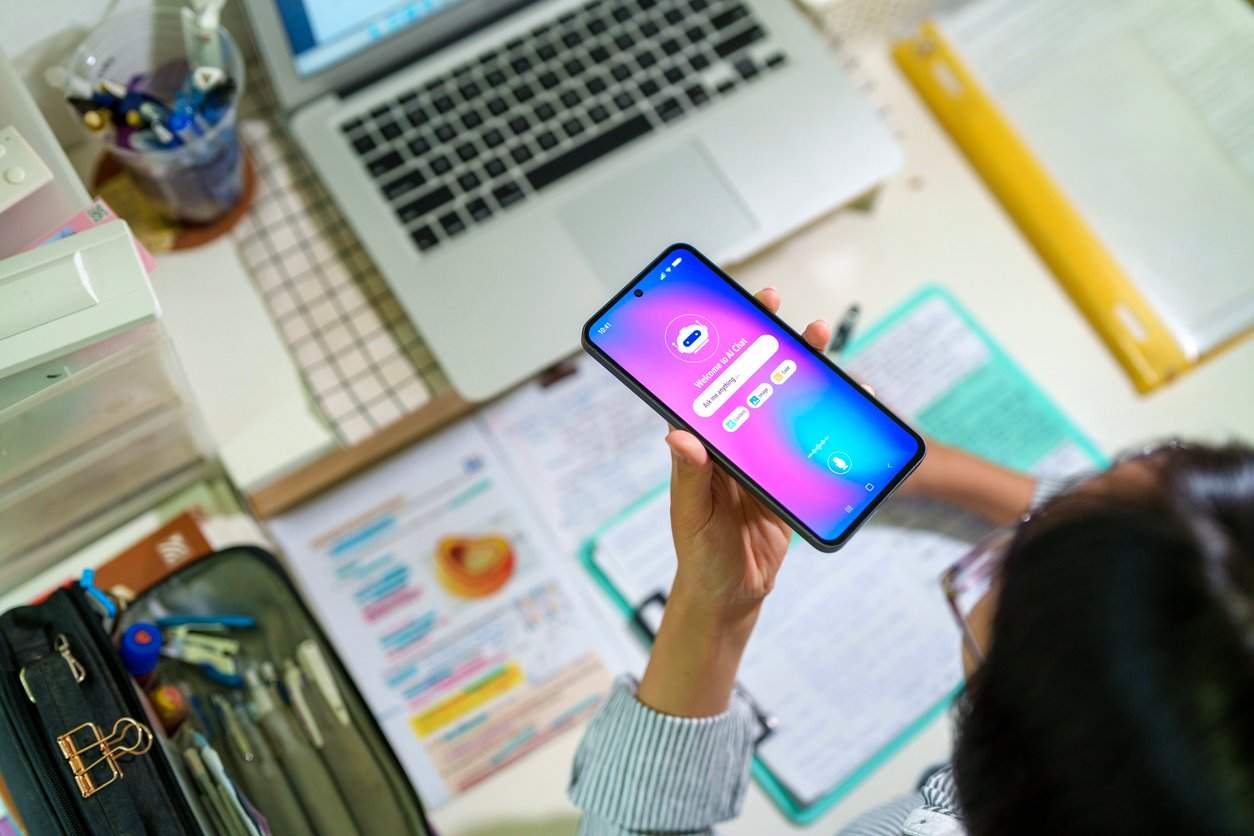
While video calls were just a futuristic dream in the ’60s, today they’re a global communication staple. Tablets for work and voice-controlled computers also draw inspiration from this classic, shaping how we live now.
Blade Runner
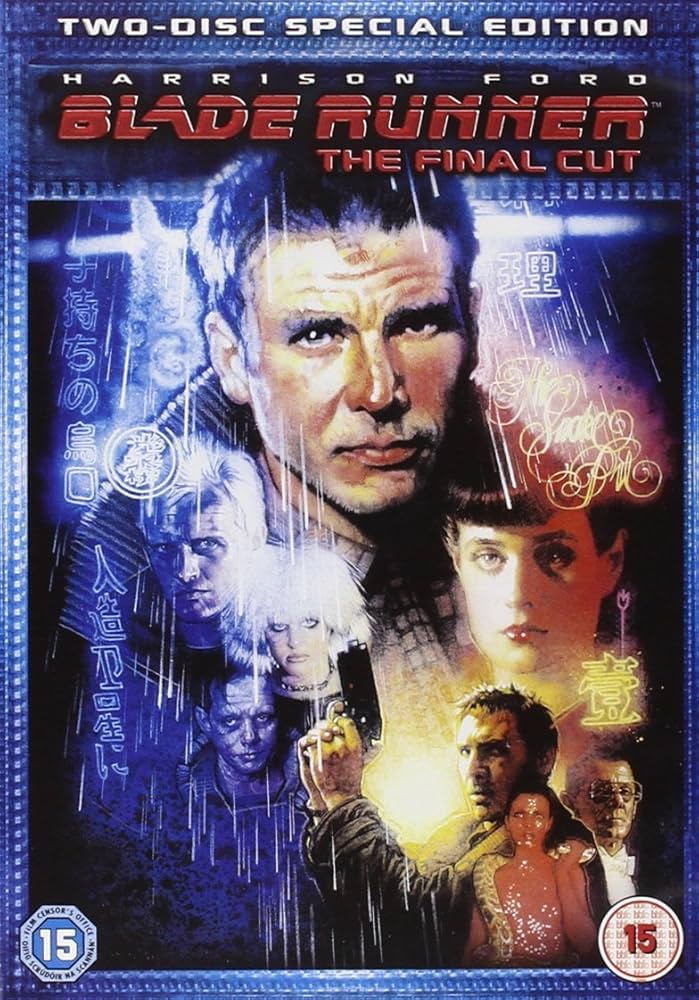
Ridley Scott’s 1982 cult classic, Blade Runner, painted a neon-lit future Los Angeles and showcased tech that changed our world. Digital ads now dominate cityscapes just like in the film, popping up everywhere on the streets.
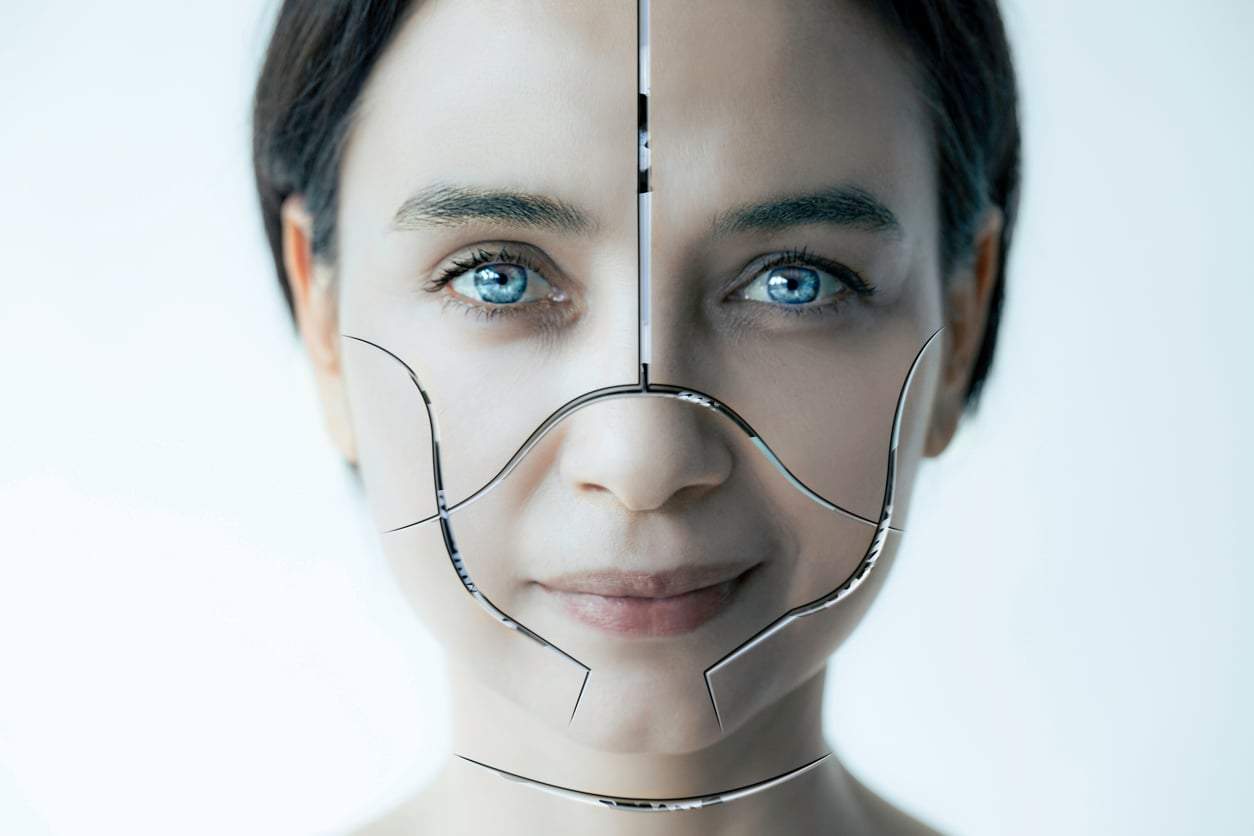
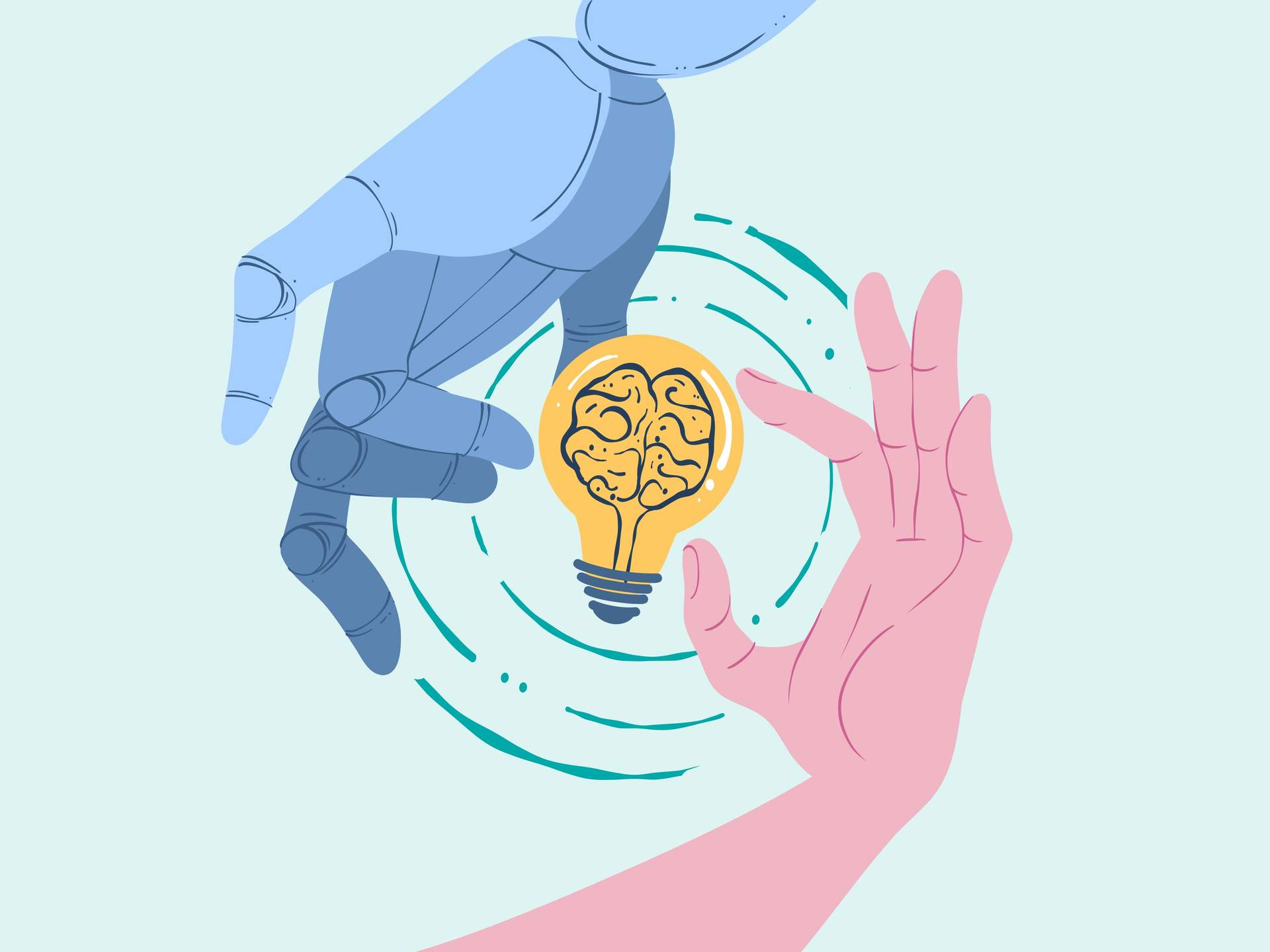
The film’s humanoid robots, or replicants, along with other AI themes, inspired today’s AI research aiming to create more realistic, human-like intelligence.
Minority Report
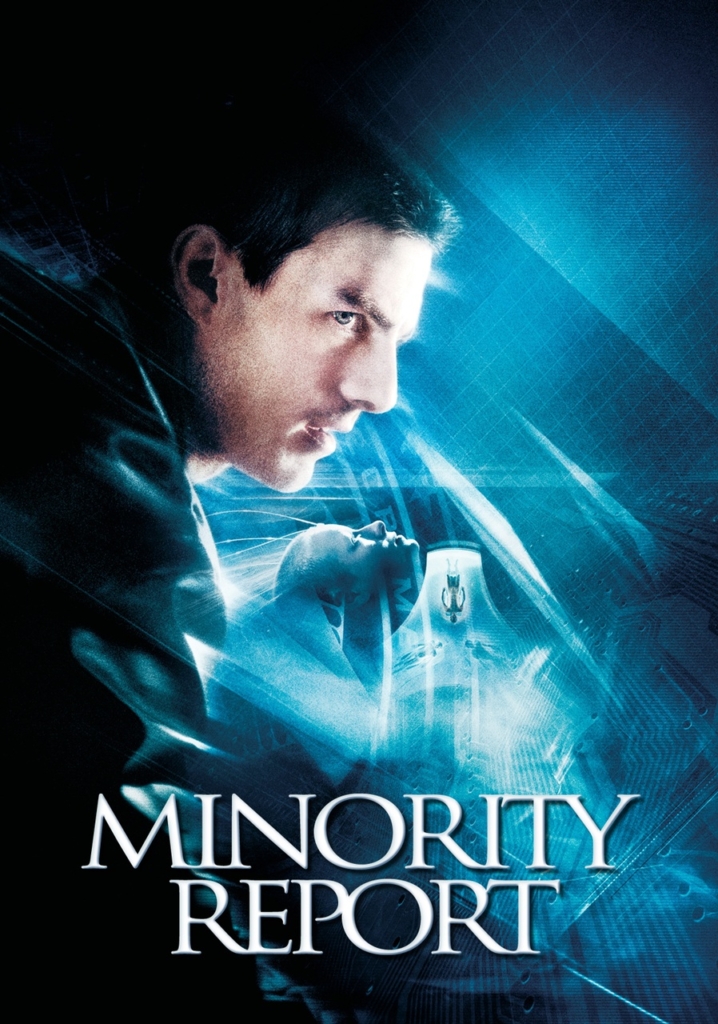
Tom Cruise starred in Minority Report, released in 2002, which imagined future crime-fighting and predicted several tech breakthroughs. It foresaw the rise of touchscreens, facial recognition-based personalized ads, and gesture-controlled devices.
These ideas seemed novel back then but are now everyday realities, used daily on phones, tablets, and smart displays.
Star Trek
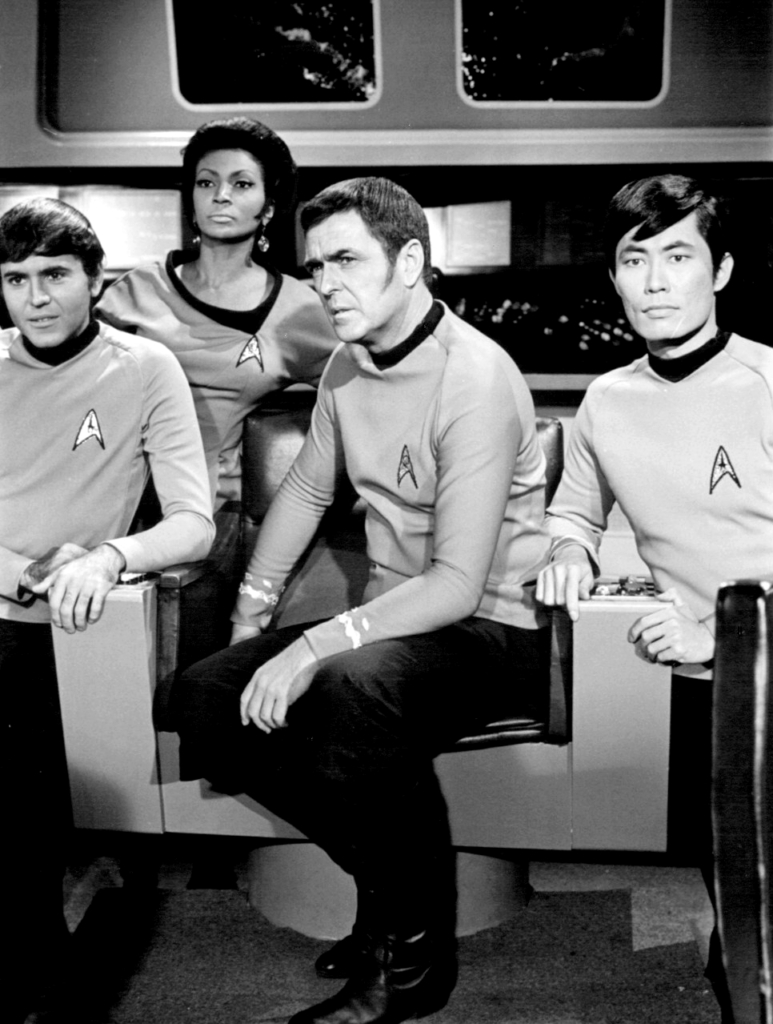
The Star Trek series envisioned many future techs that eventually came true. The communicators in the show closely resembled today’s mobile phones and inspired their development.
The tricorder, a medical diagnostic device from the series, now has real prototypes on the market that provide instant health info. These technologies show how a ’60s sci-fi series hugely influenced today’s innovations.