Chicken breast is lean, versatile, easy to find, and works well for many dietary needs. Simply put, it’s one of the best protein sources out there! But if you’re looking to mix things up, you’re in luck—some foods actually offer even more protein per serving, helping you keep your meals exciting without sacrificing your protein intake.
Protein is a macronutrient, meaning your body needs it in larger amounts. Pasquariello explains this is because nearly every bodily function relies on amino acids, the building blocks of protein. More specifically, "protein helps regulate organ systems, supports immunity and metabolism, and ensures hormones and neurotransmitters work properly"—she says.
It’s also essential for maintaining a healthy weight, building muscle, and supporting bone health."
Generally, the Dietary Guidelines for Americans recommend about 0.8 grams of protein per kilogram of body weight for a healthy adult. That’s roughly 56 grams daily for men and about 46 grams for women. You might aim for more if you’re active, building muscle, recovering from illness or injury, pregnant or breastfeeding, trying to lose weight, or want your meals to feel more satisfying," Pasquariello notes. Now that we’ve covered why protein matters and that chicken breast isn’t the only high-protein option, here are top alternatives dietitians recommend that offer even more protein by weight.
1. Plant-Based Protein from Soy or Pea
Textured plant protein, usually made from soy flour, is a fantastic protein source. It often comes with extra fiber, iron, or potassium, though exact nutrients vary by brand. "It’s a great vegan swap for ground beef or turkey, perfect for homemade veggie burgers, meatballs, chili, or stews," Pasquariello explains.
2. Canned Albacore Tuna
Dietitian Dru Rosales highlights canned tuna as another excellent protein source that actually contains more protein than chicken breast. Plus, "it’s rich in omega-3 fatty acids, which support brain, eye, and heart health," she adds. Most often enjoyed as a sandwich spread, try it on a salad bed or wrapped in nori for a fresh twist.
3. Tofu
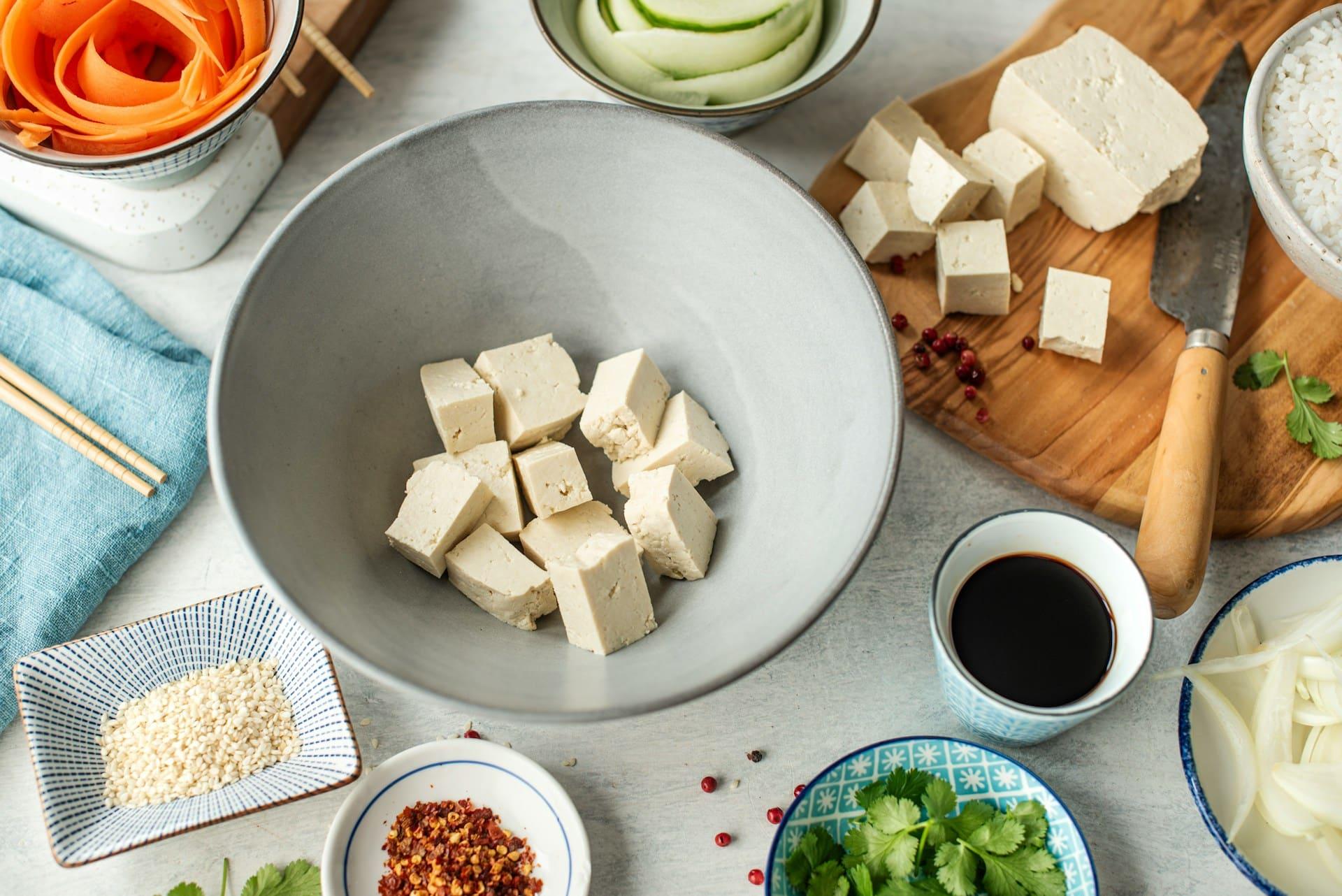
Tofu is a pressed block of soy milk protein, usually sold in blocks. It’s rich in protein and incredibly versatile. "Not only is it a complete protein for building and maintaining muscle, but it’s also a significant source of calcium," Rosales says. The best part? You can swap it in any recipe that calls for other proteins. It works wonderfully in soups, salads, and stir-fries.
4. Seitan
Seitan is a wheat protein-based meat substitute made from water and wheat gluten. Depending on the brand and flavor, Pasquariello says it usually contains about 27 grams of protein per 85-gram (3-ounce) serving. Some versions also provide iron, which is vital for red blood cell production. Keep in mind, seitan has a fairly neutral taste on its own, so look for recipes that use marinades or sauces to boost flavor. You can also buy pre-marinated and seasoned options. Use seitan just like sliced chicken or beef—in sandwiches, fajitas, or stir-fries.
5. Cottage Cheese
Cottage cheese has become a social media star thanks to its high protein content. One cup provides about 27 grams of protein, according to Rosales. It also contains calcium and probiotics—those "good" bacteria that support gut health. "Try it with berries and granola, blended into smoothies, or paired with toast, cracked pepper, and sliced tomatoes," she suggests. You can even blend it with eggs to make a protein-packed cottage cheese bread.
6. Edamame Beans
About 1.5 cups of edamame delivers roughly 27 grams of protein and twice the iron found in chicken breast, Rosales notes. "Iron is crucial for oxygen transport in the body and hormone production," she explains. Enjoy edamame in stir-fries, grain bowls, or your favorite rice dishes.