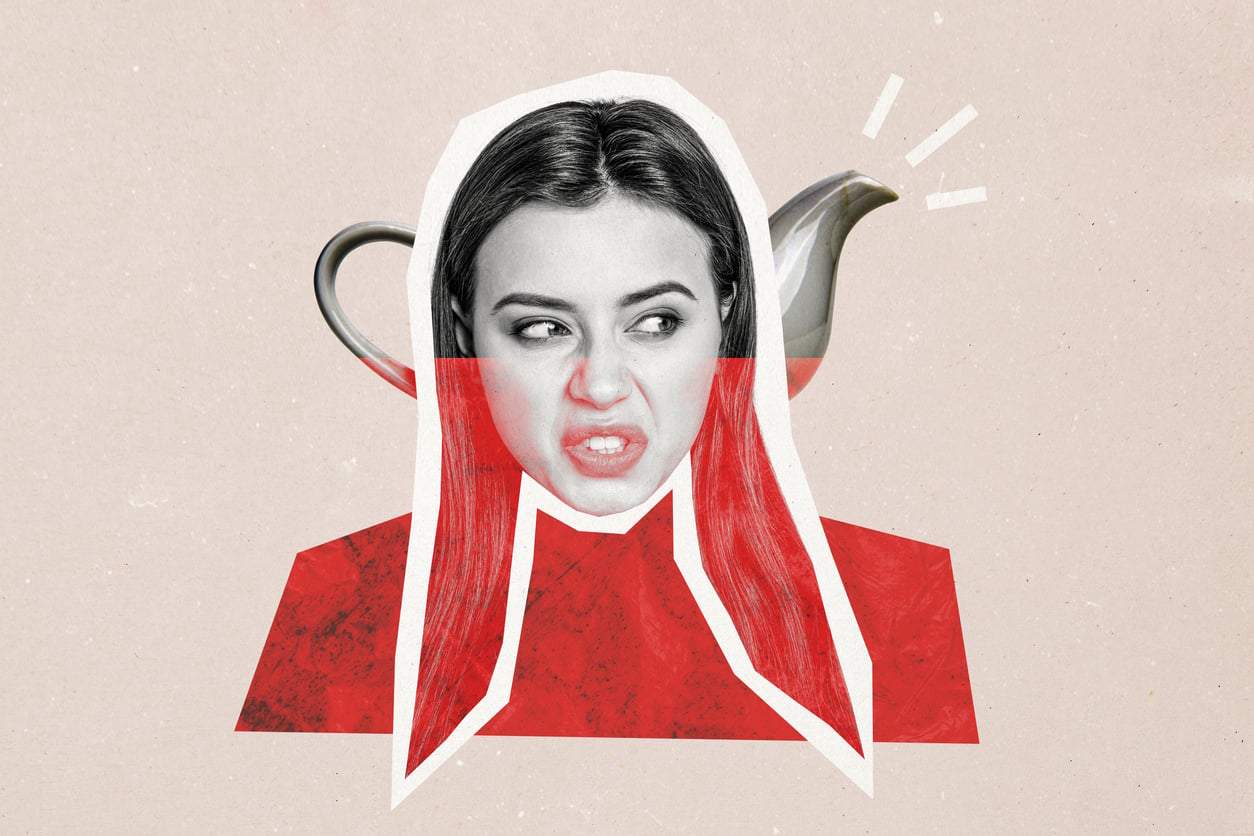
Some people appear kind, helpful, and always adaptable, never causing conflict. Many simply call this a "good nature," but often there’s something deeper at play: a constant pressure to please. This isn’t a conscious choice but a deeply ingrained pattern where they almost always adjust their behavior to meet others’ expectations, often at the expense of their own needs. The signs below can help you recognize if someone is living this way.
Struggles to Say No
One of the clearest signs is that they’re almost unable to refuse anything. They say yes even when they don’t have the time, energy, or desire. Saying “no” triggers anxiety because they fear disappointing others or losing their love. So, they often overcommit themselves, growing more tense inside.

Constantly Watches Others’ Reactions
They continuously analyze their surroundings—wondering what others think, how their words land, and if they’re making a good impression. Even a slight change in facial expression or tone of voice can shake their confidence. This often leads to overthinking situations and replaying moments hours later, wondering, “Did I say something wrong?”

Avoids Conflict at All Costs
Conflict isn’t just uncomfortable—it’s genuinely scary. They’d rather withdraw, stay silent, or adapt than face a clash. Even when they’re clearly right, they won’t stand up for themselves because peace means everything.

Puts Their Own Needs Last
They often don’t even know what they truly need because they’re so used to adapting to others. When asked to choose, they’d rather ask, “What do you want?” than express their own desires. Over time, this can lead to emotional exhaustion and dissatisfaction.

Feels the Need to Constantly Prove Themselves
It’s not enough to be “good”—they have to be perfect. They often overachieve, take on too much, and always try to prove their worth. Praise soothes them briefly, but insecurity soon returns, and the cycle of proving themselves starts again.

Feels Guilty When Choosing Themselves
When they finally put themselves first, they often feel guilty. It’s as if they’re being selfish or doing something wrong. This inner conflict often pulls them back into the pattern of pleasing others—even when it’s not good for them.

Self-Worth Depends on Others
How they see themselves depends heavily on how others treat them. Positive feedback lifts them up, but criticism can shake them deeply. Without inner stability, they constantly seek external validation. This pressure to please isn’t a weakness—it’s a learned pattern often rooted in past experiences. Recognizing it is a powerful first step toward reclaiming control over your own needs and boundaries.