The human body is an amazing system full of complex interactions and processes. For women, physiological and hormonal responses show up in many unique ways as symptoms.
Hair Loss or Thinning Hair
Many accept hair loss as normal, especially during seasonal changes or stressful times. But if your hair noticeably thins or falls out more than usual, it’s not just the seasons. This could point to hormonal issues, like underactive thyroid or polycystic ovary syndrome (PCOS).
Chronic Fatigue or Exhaustion
In today’s fast-paced world, many feel tired all the time. But chronic fatigue can hide serious health concerns. A common cause is iron deficiency, especially in women, but sleep apnea or other sleep disorders might also be at play. Getting expert advice can help you rest better.
Frequent Urge to Urinate
Many don’t think twice about running to the bathroom multiple times a day. But if you’re going too often, it could be a warning sign linked to diabetes, urinary tract infections, or simply drinking too much fluid.
Unusual Skin or Hair Changes
Your skin and hair health reflect your body’s inner state. If you notice unusual dryness, excessive oiliness, or other changes, it’s worth investigating. These can be signs of digestive issues or hormonal imbalances. Skin problems often signal internal disruptions first.
Irregular Menstrual Cycle
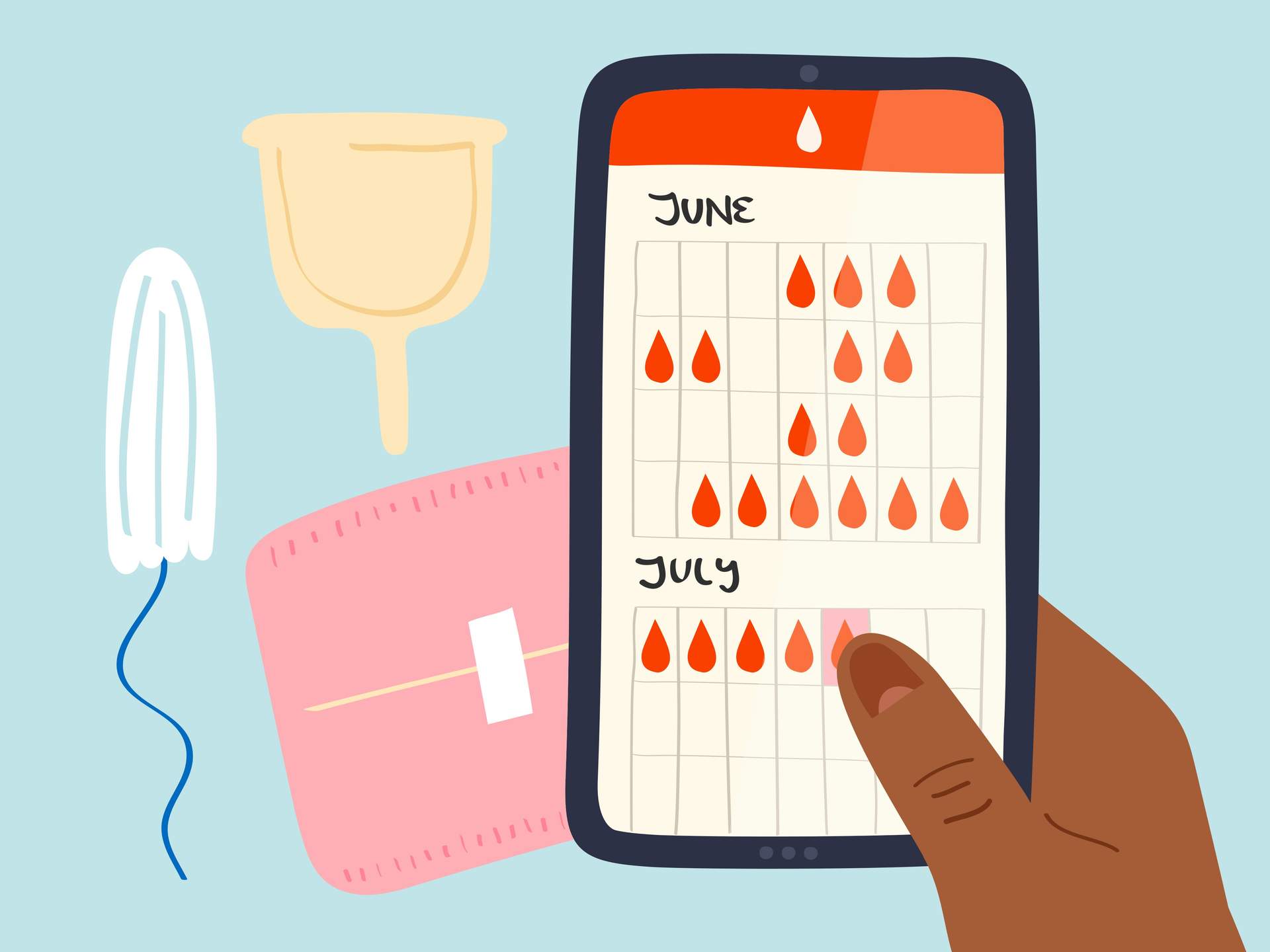
Especially in young adulthood, many don’t worry about a irregular menstrual cycle, but it often signals hormonal issues. Stress, extreme dieting, or intense exercise can affect it, but sometimes more serious health problems are involved.

Irregular Heartbeat or Chest Pain
While palpitations and chest pain aren’t exclusive to women, they often raise concerns about stress, panic attacks, or more seriously, heart problems. Hormonal changes can also affect these symptoms, so it’s important to get checked for your health’s sake.
Bloating or Digestive Issues
Bloating and other digestive troubles are common, but they can also hint at bigger problems. It might be a sensitivity to certain foods or something more serious like irritable bowel syndrome (IBS) or gluten intolerance.
Healthy habits and regular medical check-ups help catch potential issues early and treat them properly. Let’s take our body’s signals seriously and reach out to experts whenever something feels off.