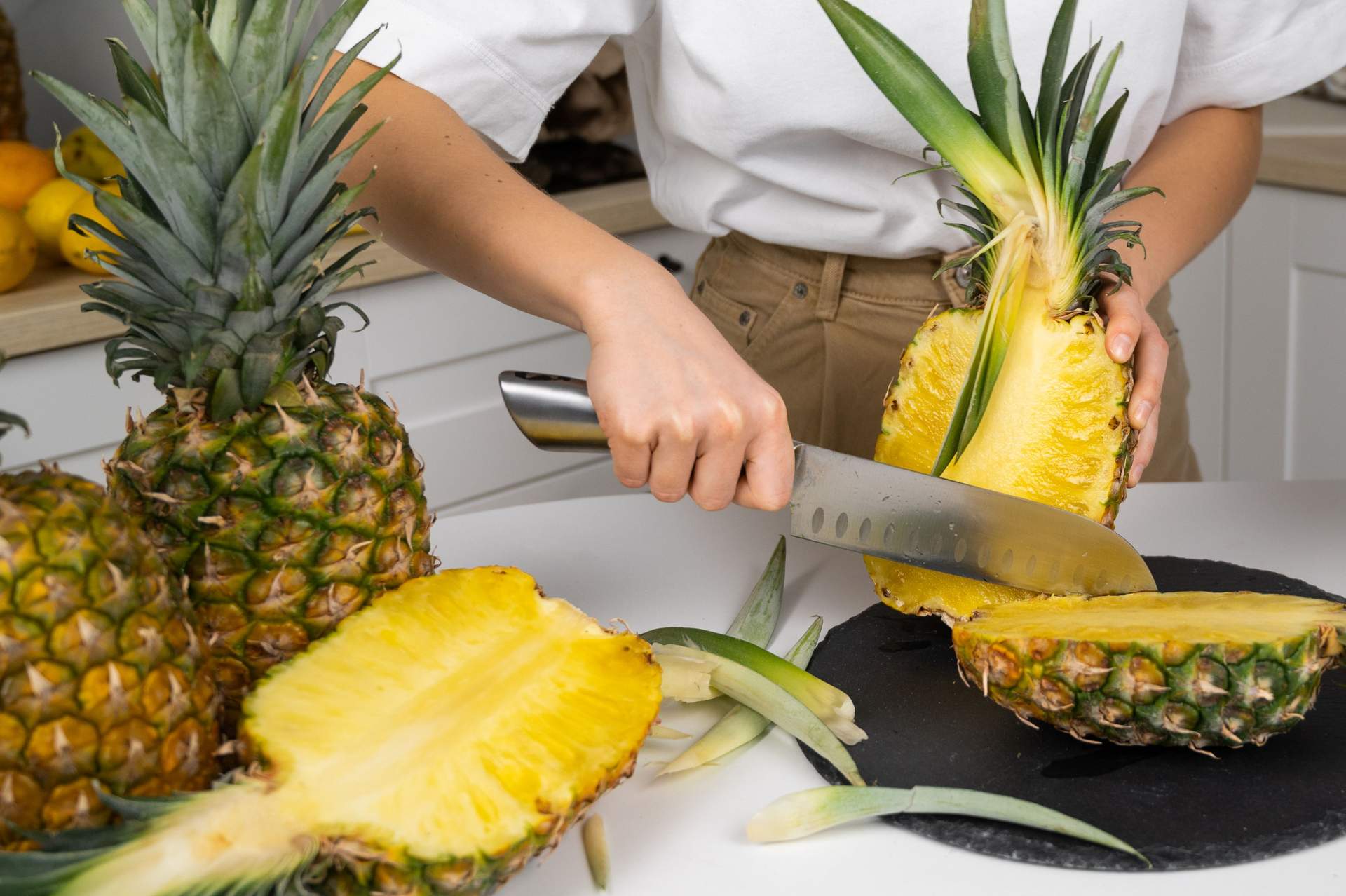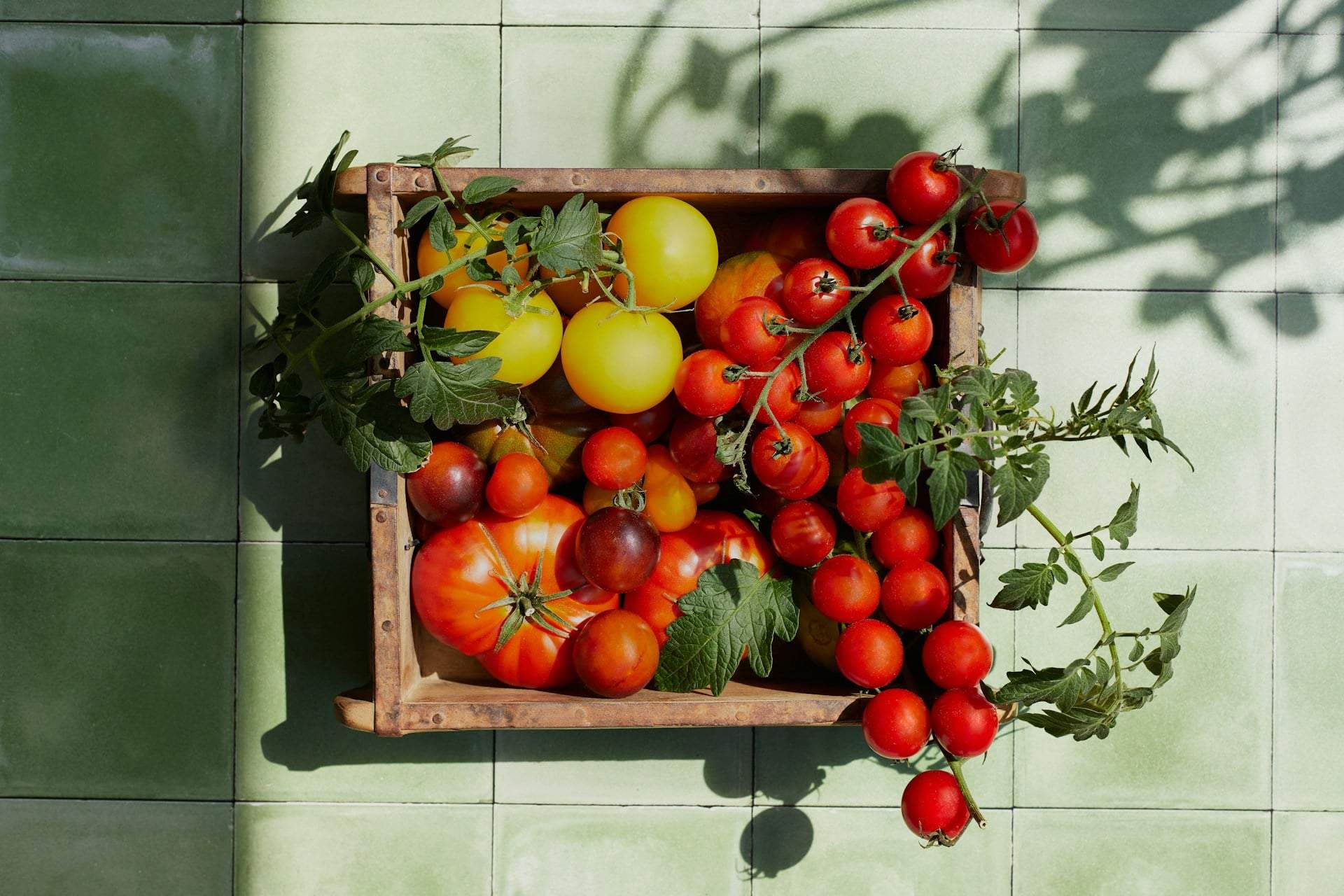
Did you know that besides the flesh, you can practically use the other parts of fruits when consuming them? Next time you snack on fruit, don't throw away the peel, seeds, or core! Fruit leftovers can be used in many ways in the kitchen, although one might not think of them first when a juicy treat is at hand. Yet countless delicacies can be made from them – for example, watermelon rind, pineapple core, apple and pear peels, citrus peels, or strawberry leaves – all can be saved and brought back to life. We'll show you the best tips for this!
Candied Fruit
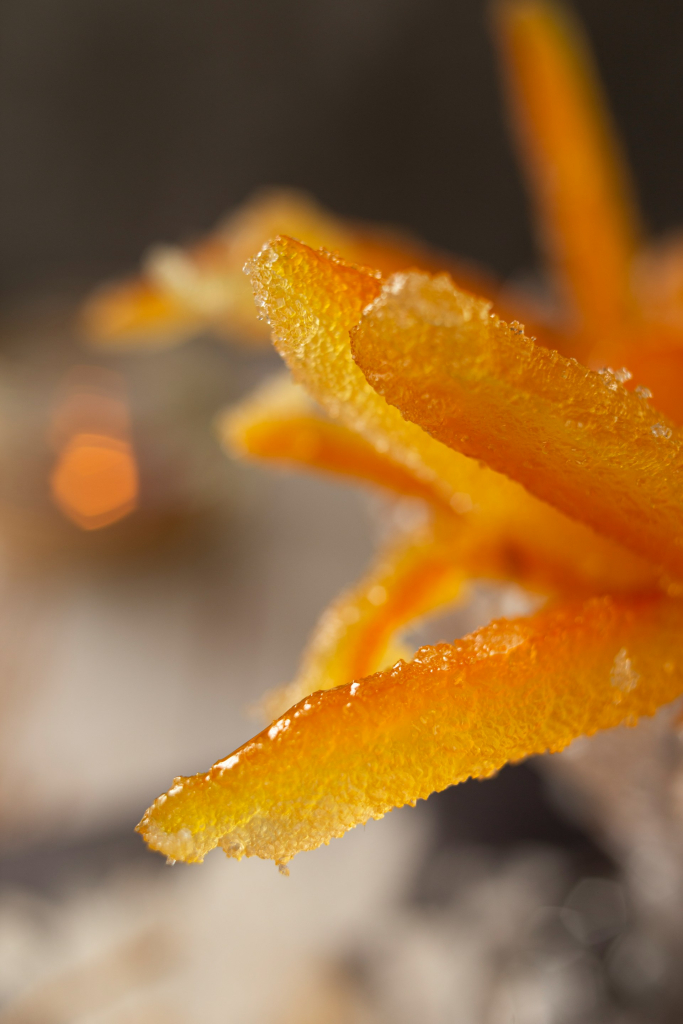
Candied fruit is basically made in two ways. Either preserved in sugar syrup or coated in granulated sugar to get a crunchy coating before eating. Candied fruit peels are delicious on their own (though not a low-calorie, diet-friendly snack, I admit), but chopped finely, they can be mixed into muffin or cake batters. And nothing beats a thinly sliced, candied orange, lemon, lime, grapefruit, or other citrus peel!
Vinegar
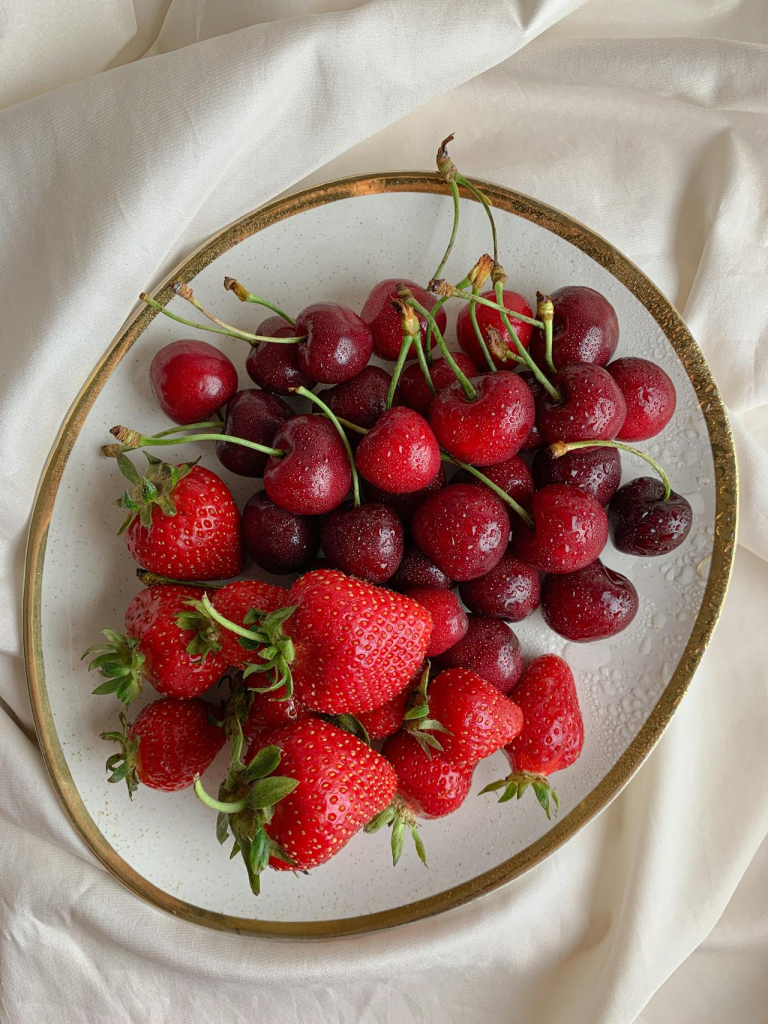
Vinegar can be made at home from any leftover fruit that is not rotten or moldy but would otherwise be discarded. Vinegar is produced by alcoholic fermentation, which requires fruit – usually its peel, seeds, or some leftover part – combined with sufficient water, sugar, and a starter culture (such as raw, existing vinegar like unfiltered apple cider vinegar). If you like salad dressings, homemade vinegars are excellent choices in the kitchen and can be stored for a long time because their high acidity preserves them indefinitely. Apple peels, strawberry hulls, or peach skins are perfect examples for homemade fruit vinegar.
Kombucha
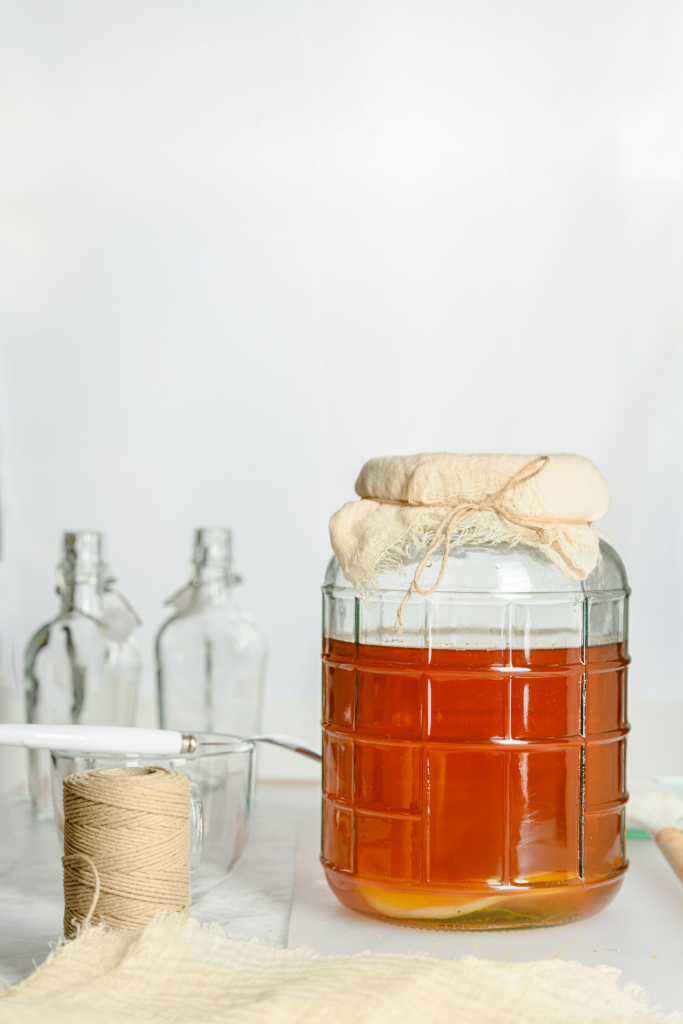
Who hasn't heard of probiotic kombucha tea, whose fermentation process is very similar to vinegar? Kombucha is a fermented drink usually based on some black or fruit tea, and after fermentation, it becomes a drinkable, sweet-sour, extremely healthy beverage. You can freely use your leftover fruit scraps for flavoring, such as pineapple core, apple peel, or strawberry stems.
Tepache

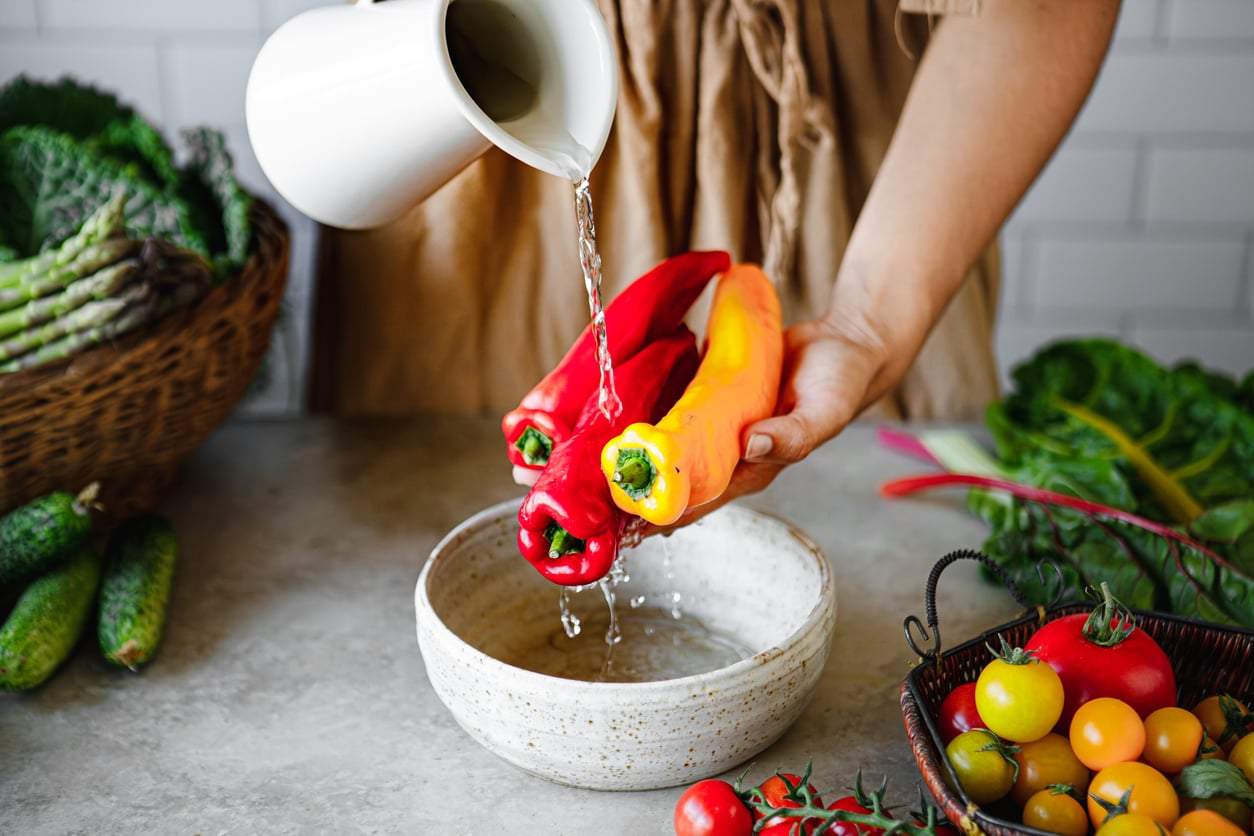
Although not yet widespread in our country, tepache remains popular worldwide as a tropical fermented drink. This probiotic-rich specialty is typically made from pineapple peel and core with sugar (usually cane sugar or brown sugar). Tepache is a refreshing drink from Mexican cuisine that you can easily make at home. All you need to do is wash the pineapple and remove its peel and core, which you will need now. Put the parts in a large jar, add brown sugar, and fill with water to cover everything. Cover with a clean cheesecloth or cloth and ferment at room temperature for 2-3 days. Strain and enjoy.
Jam and Preserves
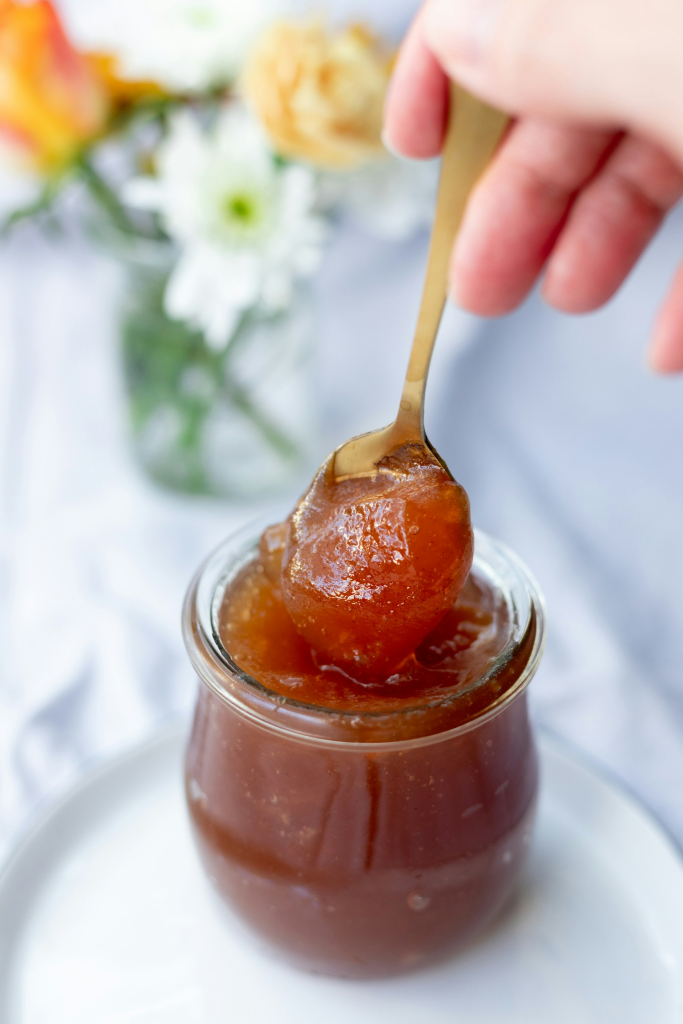
Delicious jam and preserves can be made not only from fruit flesh but also from your leftover fruit pieces. Softened berries or some overripe peaches are perfect for this purpose. The only thing to keep in mind is that if you make them from fruit scraps, you will need a considerable amount. Fortunately, you can also freeze fruit peels and overripe parts to use later for jam and preserves.
Syrups

Delicious syrup can be made from leftover peels of orange, lemon, lime, and grapefruit, from unused small strawberry leaves and stems, from cut rhubarb parts, from apple cores and thin peels, or even from leftover pieces of berries. The concentrated syrup made from them can be a great addition to any dessert, cake, or even lemonade and tea.
Tea
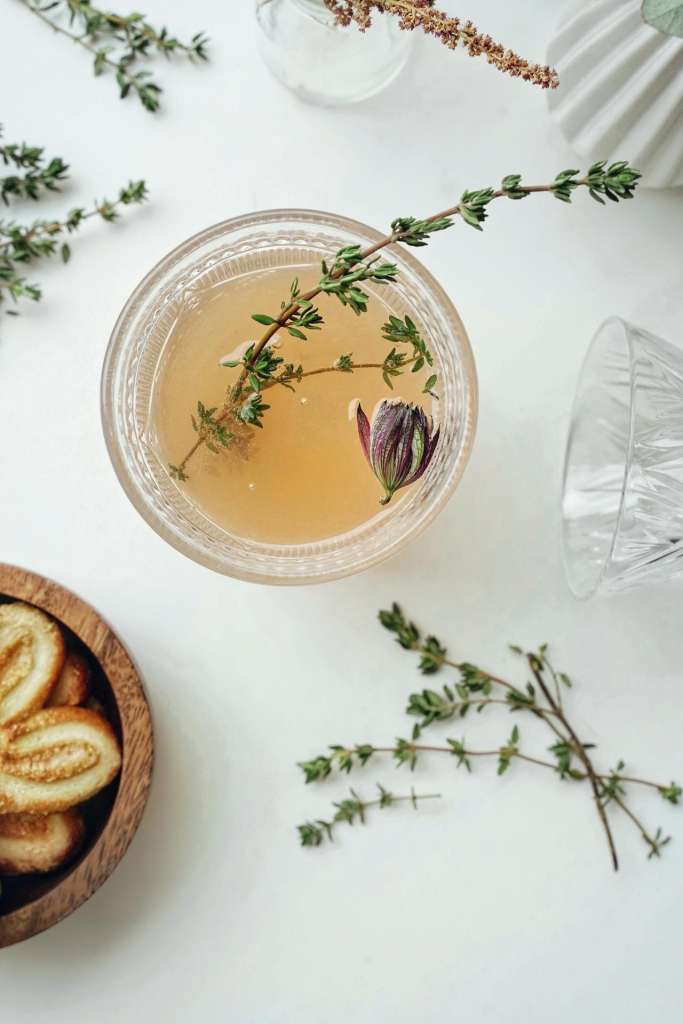
If you have a lot of citrus peels, dried fruit scraps, or even apple and pear peels left over, you can make delicious tea from them. Collect the fruit scraps, then dry them at low heat until they are dry and nicely crispy. Then crush them into smaller pieces – as is usual with teas. After that, all you have to do is mix them with your favorite teas to get a fruity and unique flavor. The fruit scraps added to tea are also very healthy, so you can support your physical and mental well-being with them.