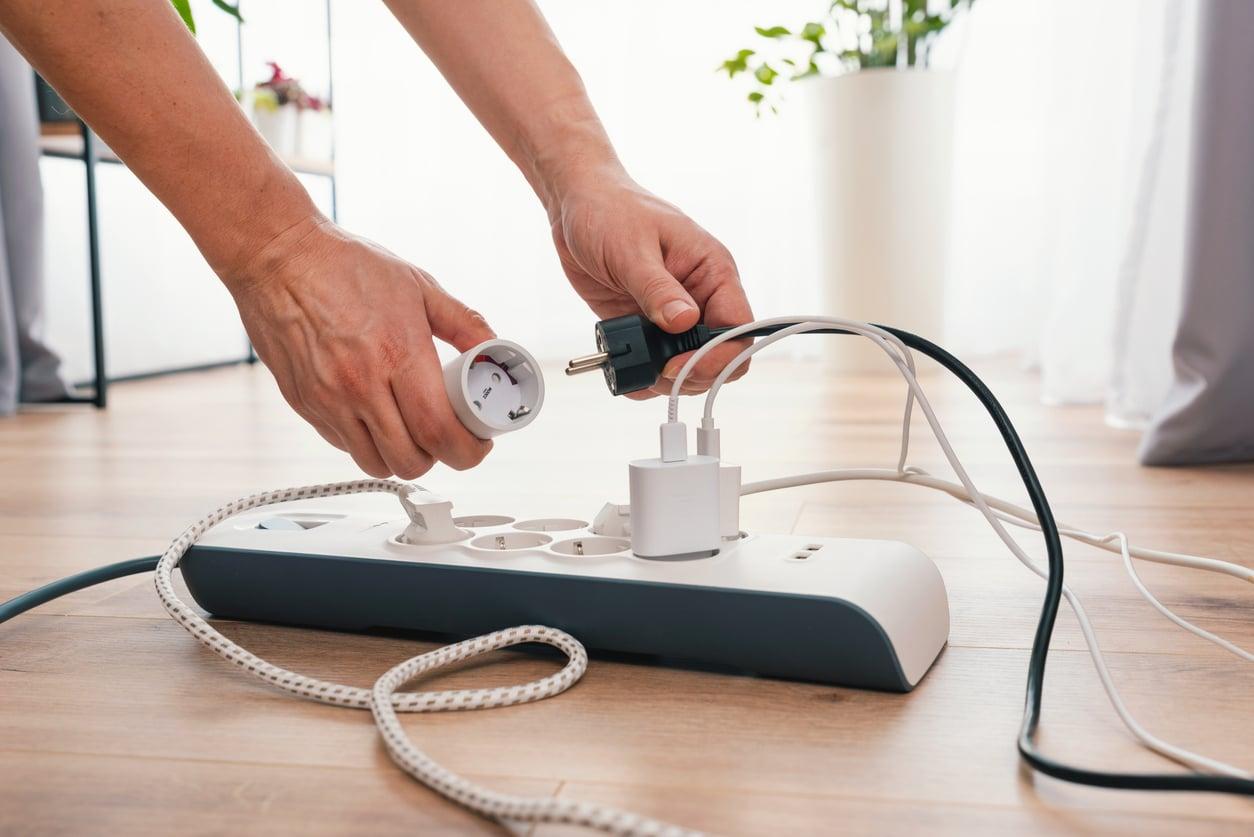
Power strips are a lifesaver when you need to manage multiple devices at once, but they’re not the answer for every electrical need. “As a residential electrician, I’ve seen countless issues caused by improper use of power strips and extension cords,” says Bobby Lynn from LiveWire Electrical. “It’s crucial to understand that these devices aren’t designed for high-power appliances or equipment that requires stable voltage.”
While power strips work fine with most household gadgets, some devices demand too much power. Plugging them into a strip can damage your equipment or even spark an electrical fire. Here, electricians share the eight household appliances you should never plug into a power strip.
Refrigerators and Freezers
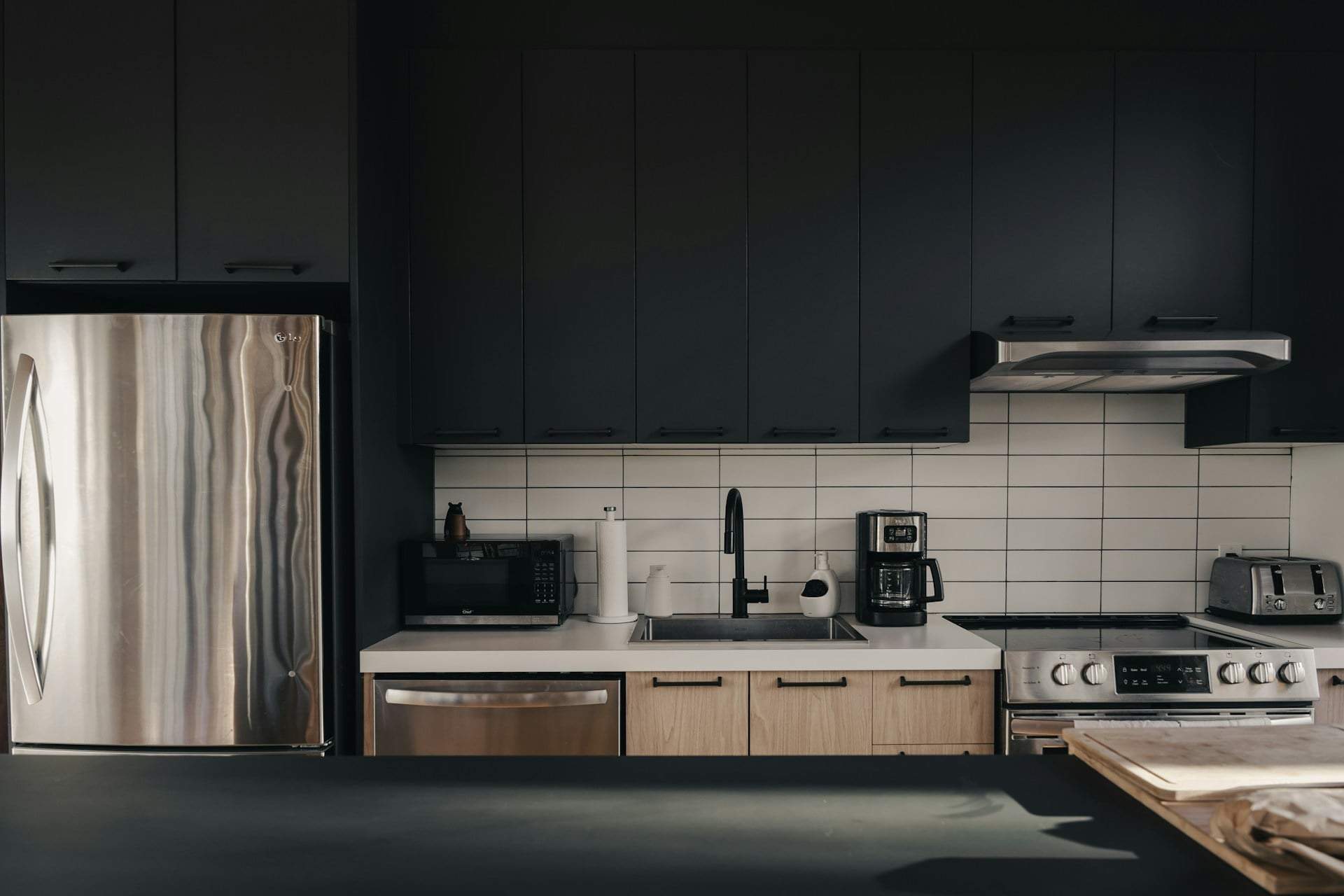
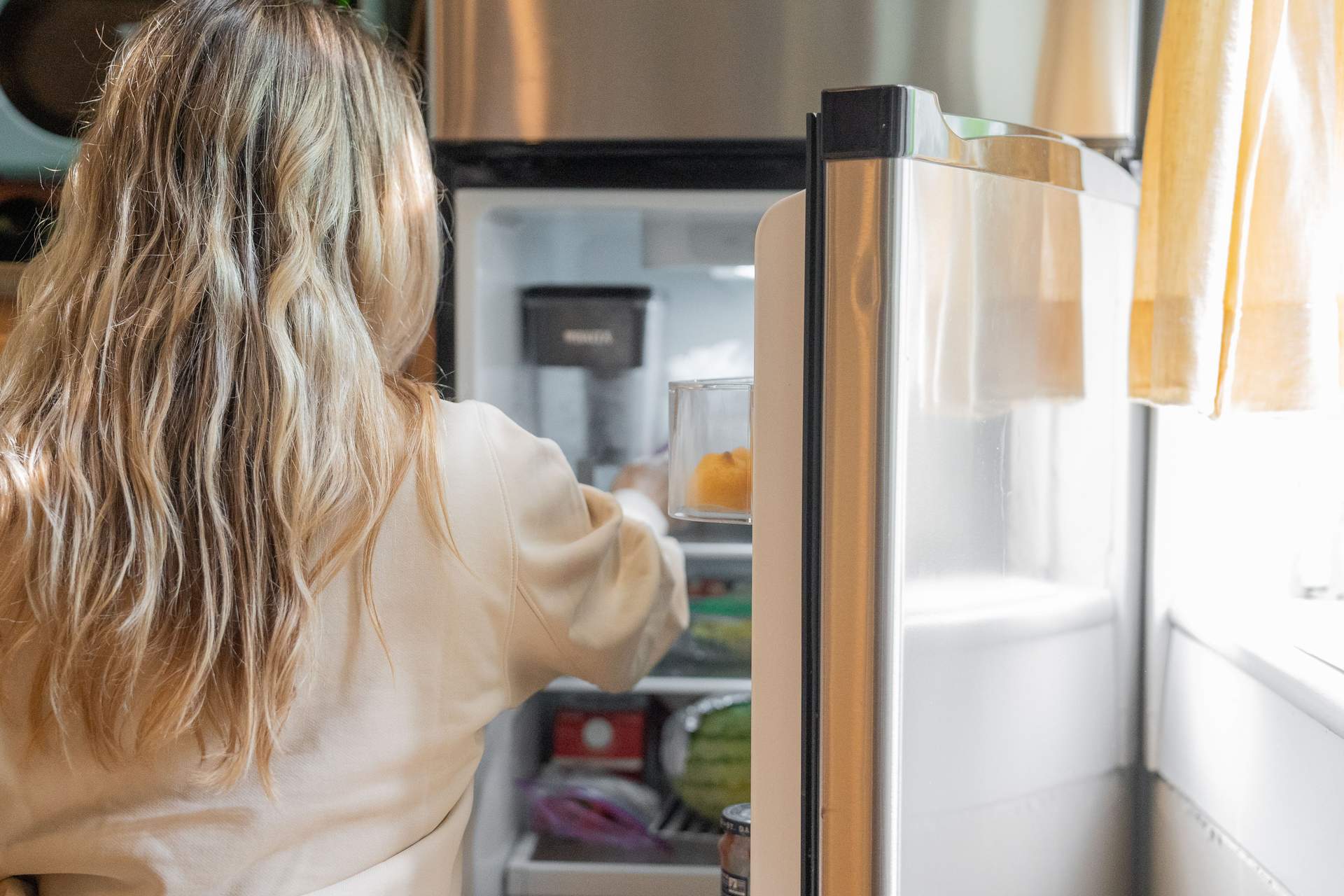
Since refrigerators and freezers run continuously, they need much more power than most other appliances. “Plugging them into a power strip can easily trip the circuit breaker,” warns Daniel Mock. “Always plug these directly into a wall outlet.” Lynn agrees, adding that it’s not just a safety risk but a costly one. “I always recommend plugging refrigerators straight into the wall. Their high power demand and voltage fluctuations can ruin the compressor, which is both frustrating and expensive.”
Microwave Ovens
Most power strips can’t handle the 12–15 amps a microwave requires. This can lead to fire hazards and damage to your electrical system. “If your kitchen lacks enough outlets, call a professional to install a new one,” suggests Mock.
Small Kitchen Appliances
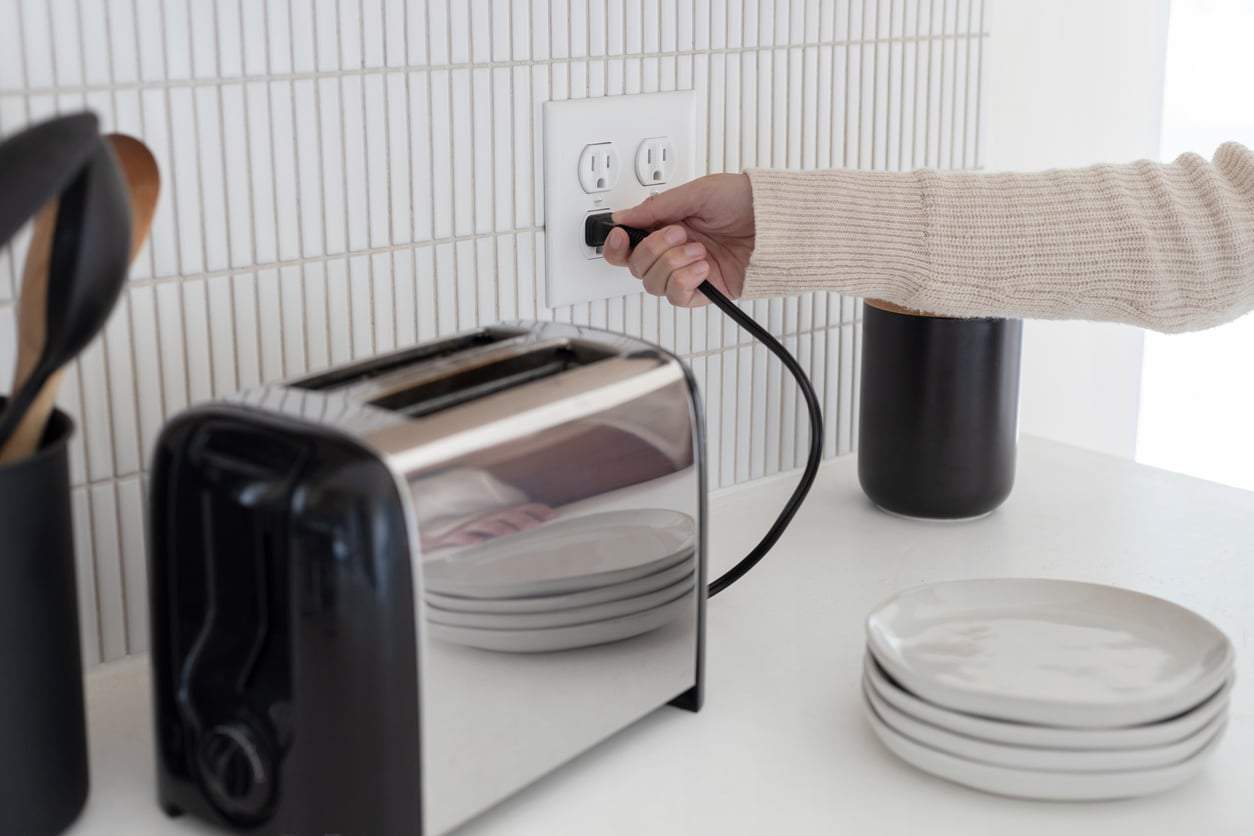
Devices like coffee makers and toasters might seem light, but they actually put a heavy load on power strips. “Toasters have heating elements that draw a lot of energy,” explains Mock. WG Hickman notes these appliances often cause melted cables and insulation damage when plugged into power strips.
Space Heaters and Air Conditioners
These devices draw huge amounts of current that power strips can’t handle. “Never plug space heaters or AC units into power strips—they can easily overheat,” says Lynn. “I’ve seen melted and even ignited power strips because of this. It’s a potential fire hazard.” Mock adds that a heavy-duty, properly rated extension cord might work temporarily, but the best practice is to plug these directly into a dedicated outlet.
Hair Care Devices
Hair dryers and straighteners pull a lot of power in a short time, so always plug them directly into the wall. “For bathroom safety, consider installing a GFCI outlet to prevent electric shocks near water,” adds Mock.
Medical Devices
Devices like CPAP machines require continuous, stable power and should never be plugged into a power strip.
Gaming PCs and Premium Sound Systems
Hickman advises against plugging these into regular power strips. “They’re sensitive to power fluctuations and need surge protection,” he says. “Use a quality surge protector from trusted brands like APC or Tripp Lite.”
Another Power Strip
Mock points out a common mistake: daisy-chaining power strips, which quickly overloads the system and violates fire safety rules. His general advice: use power strips with built-in circuit breakers that automatically cut power during overloads. “A simple rule,” says Hickman, “if a device generates heat, has a motor, or uses over 1000 watts, don’t plug it into a power strip—plug it directly into the wall.”
So, power strips are best reserved for low-power devices like chargers or lamps. “For anything more demanding, the wall outlet is always the safest bet,” sums up Lynn. “And if you notice anything odd with your electrical system, don’t hesitate to call a professional—that’s what we electricians are here for.”