Bien Logo

Always glued to the screen? Your vision and mental well-being might pay the price!

Isabella Reed2 min read
Share:
Always glued to the screen? Your vision and mental well-being might pay the price! — Health
In this article

In today’s world, our eyes are almost constantly stimulated, leaving few peaceful moments to rest and enjoy quiet reflection. This overstimulation affects not only our eyes but our overall health. So, what hidden effects does this visual noise have? Let’s explore together!

Rising Fatigue and Trouble Focusing

The flood of visual stimuli we face daily puts a huge strain on our brain and eyes. Constant screen time can cause not only eye strain but also overall physical and mental exhaustion. Switching attention between different images makes it harder to maintain focus, leading to concentration difficulties, especially during work or study.
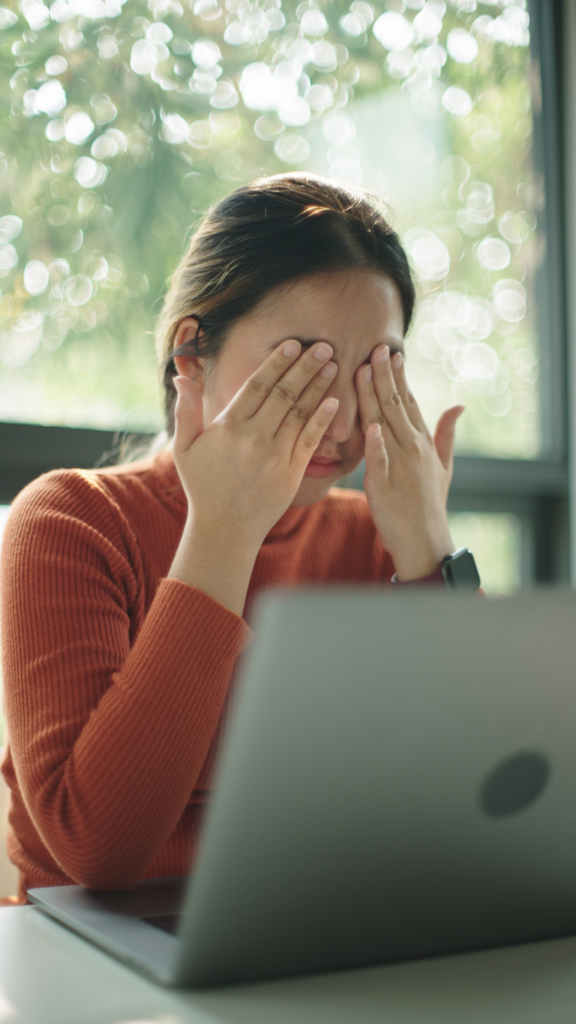
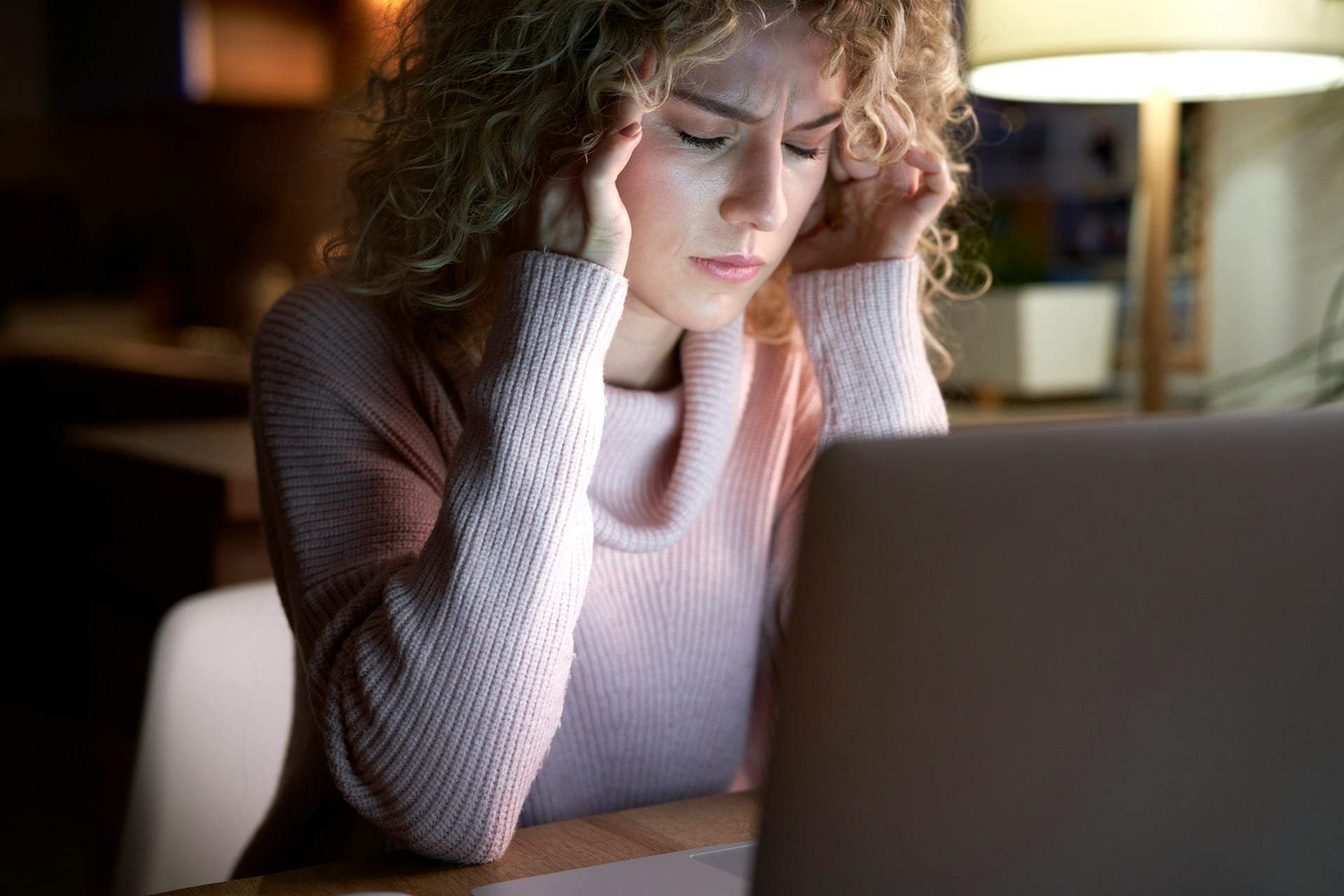
Woman rubbing her eyes sitting in front of her laptop

Sleep Problems Arise

Scientific studies confirm that blue light from digital devices can disrupt sleep quality.

Late-night screen time reduces melatonin production, a hormone key to regulating our sleep-wake cycle.

This can lead to insomnia and throw off our natural biological clock.
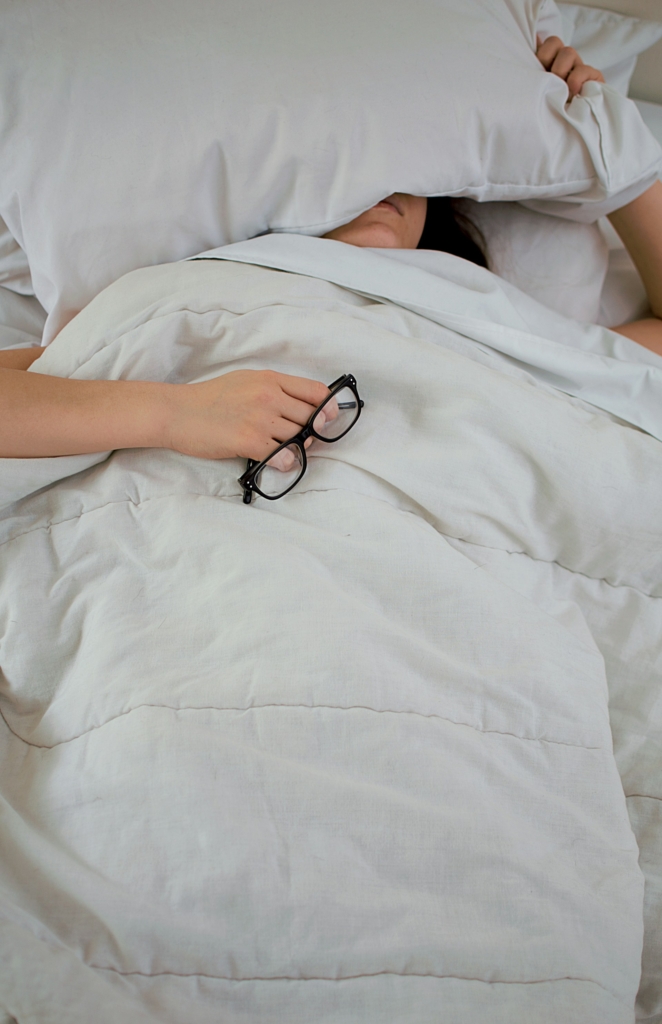
Woman trying to sleep with a pillow on her head

Increased Anxiety and Stress

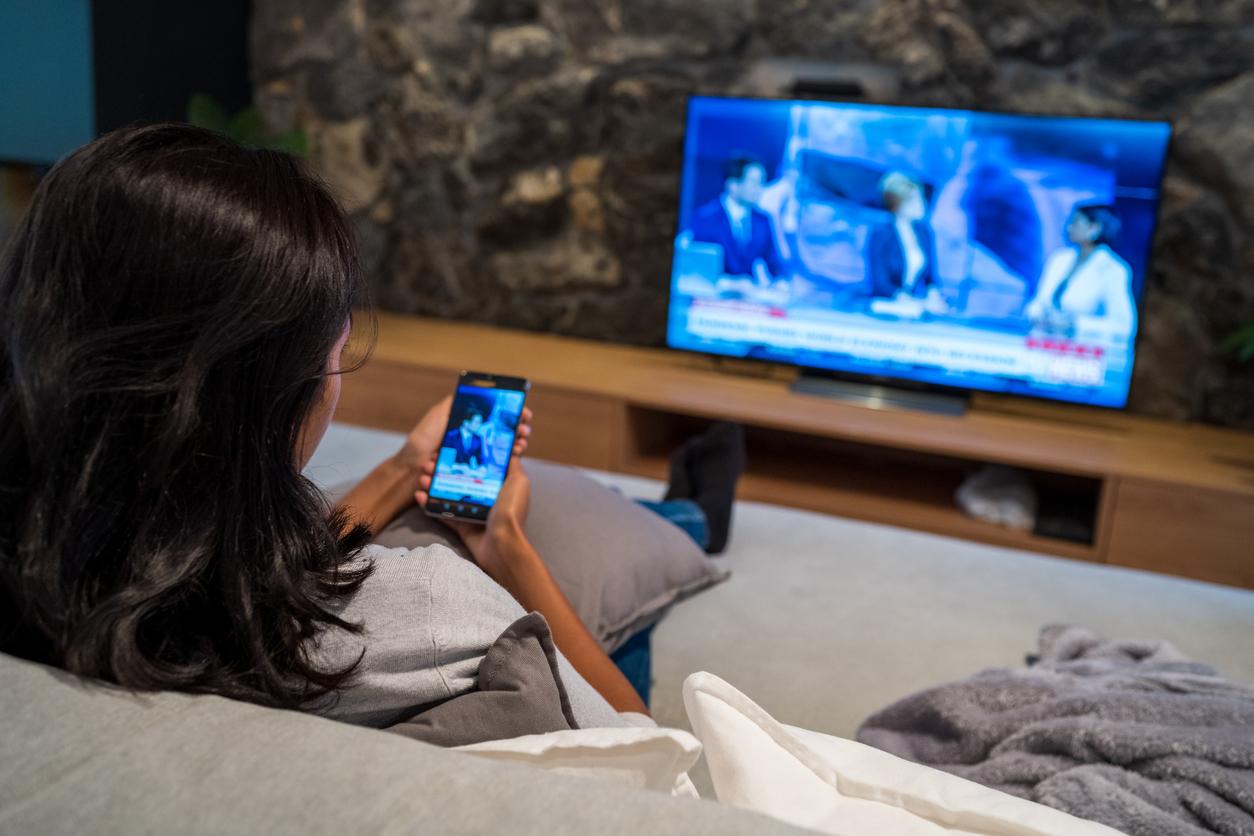
Constant visual overload can fuel rising stress and anxiety. Our brains stay on high alert, processing endless images and info, with little chance to truly relax or unwind. This is especially true when the visuals include news and social media alerts that trigger emotional responses.

Creativity Takes a Hit

Creative thinking often needs quiet reflection and inspiration, which are rare in today’s info-overloaded world. Visual noise pushes out those calm moments where the mind can wander freely and spark new ideas.

With the brain constantly active, it’s tough to dive deep into any creative activity.

Woman laughing while reading on her phone

Weakened Social Connections

The dominance of visual stimuli often comes at the expense of offline relationships. Screen time can cut into moments meant for personal interaction, which over time may lead to alienation and social isolation. This is especially concerning in today’s world, where nurturing human connections is key to our well-being.

Visual noise impacts not just our vision but also our mental and physical health. It’s worth mindfully limiting screen time and aiming for quiet moments away from screens to regain inner balance and calm.
Related reads

Why You Feel Guilty After Overeating — and How to Break the Cycle — Health

Why You Feel Guilty After Overeating — and How to Break the Cycle

Overeating happens to everyone, but the guilt that follows can make things worse. Here's what's really driving the cycle — and how to finally let it go.

Isabella Reed
Why do Japanese people live so much longer? These habits could change your life too — Health

Why do Japanese people live so much longer? These habits could change your life too

Japan consistently tops the world's longevity rankings — but genetics isn't the real reason. Here are the everyday habits behind their extraordinarily long lives.

Isabella Reed
5 lies you keep telling yourself — and why they're holding you back — Health

5 lies you keep telling yourself — and why they're holding you back

We all bend the truth a little to protect ourselves. But some self-deceptions quietly drain your confidence and block real growth. Do any of these sound familiar?

Isabella Reed
Is Creativity Really Just for the Young? What the Data Reveals — Health

Is Creativity Really Just for the Young? What the Data Reveals

Many believe creativity is a young person’s game, but research paints a richer picture. Creativity doesn’t vanish with age—it transforms and shows up in new ways.

Barbara Lee
Experts Confirm: These 5 Habits Actually Fuel Your Anxiety — Health

Experts Confirm: These 5 Habits Actually Fuel Your Anxiety

There are many ways to manage anxiety, but some habits only make it worse. Discover which ones to watch out for and what to try instead.

Diana Collins
Why intense exercise doesn't work for everyone — and your nervous system is the reason — Health

Why intense exercise doesn't work for everyone — and your nervous system is the reason

More effort doesn't always mean better results. Science shows your nervous system plays a huge role in how your body responds to high-intensity training.

Emilia Grant