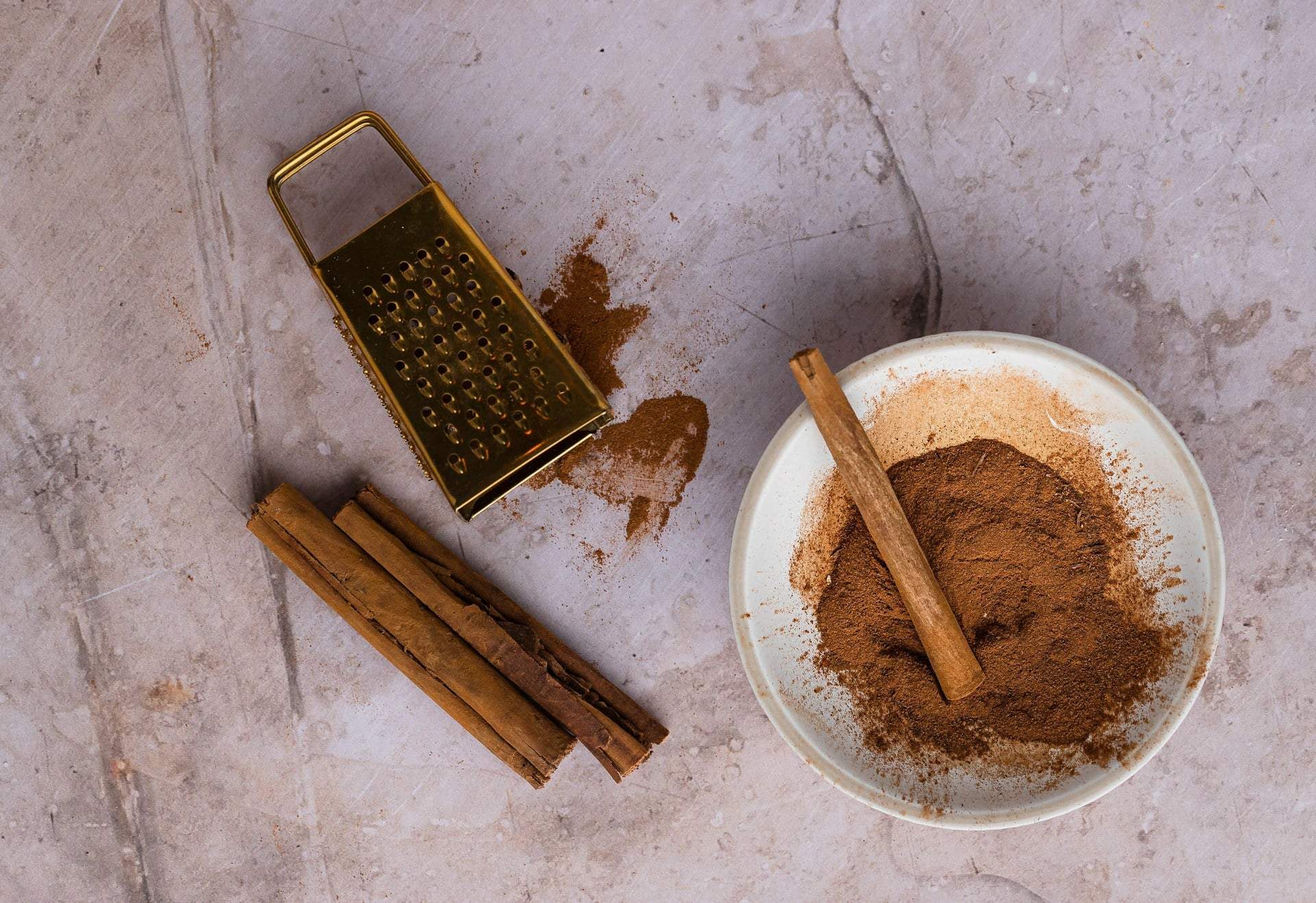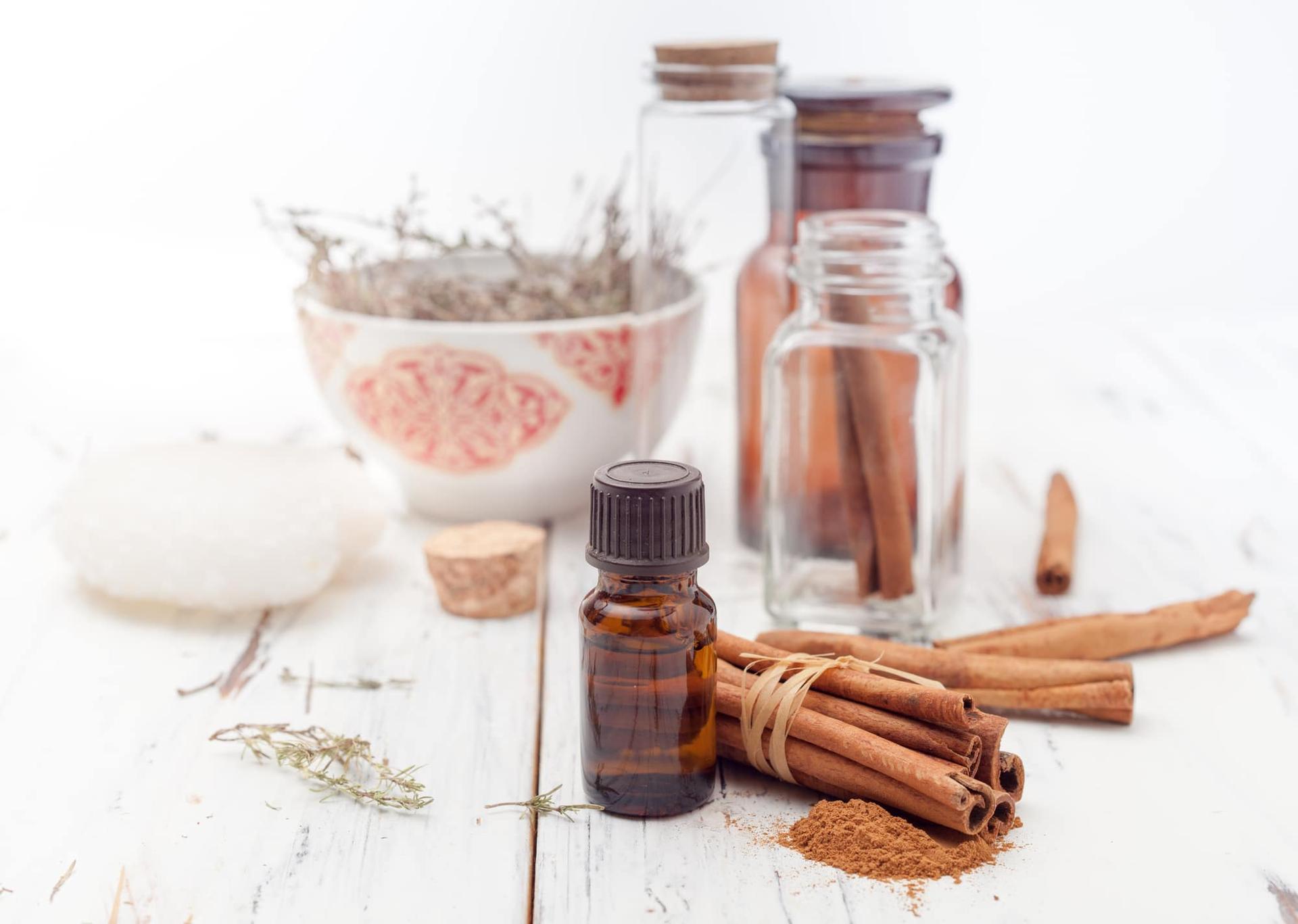
Boosts Circulation
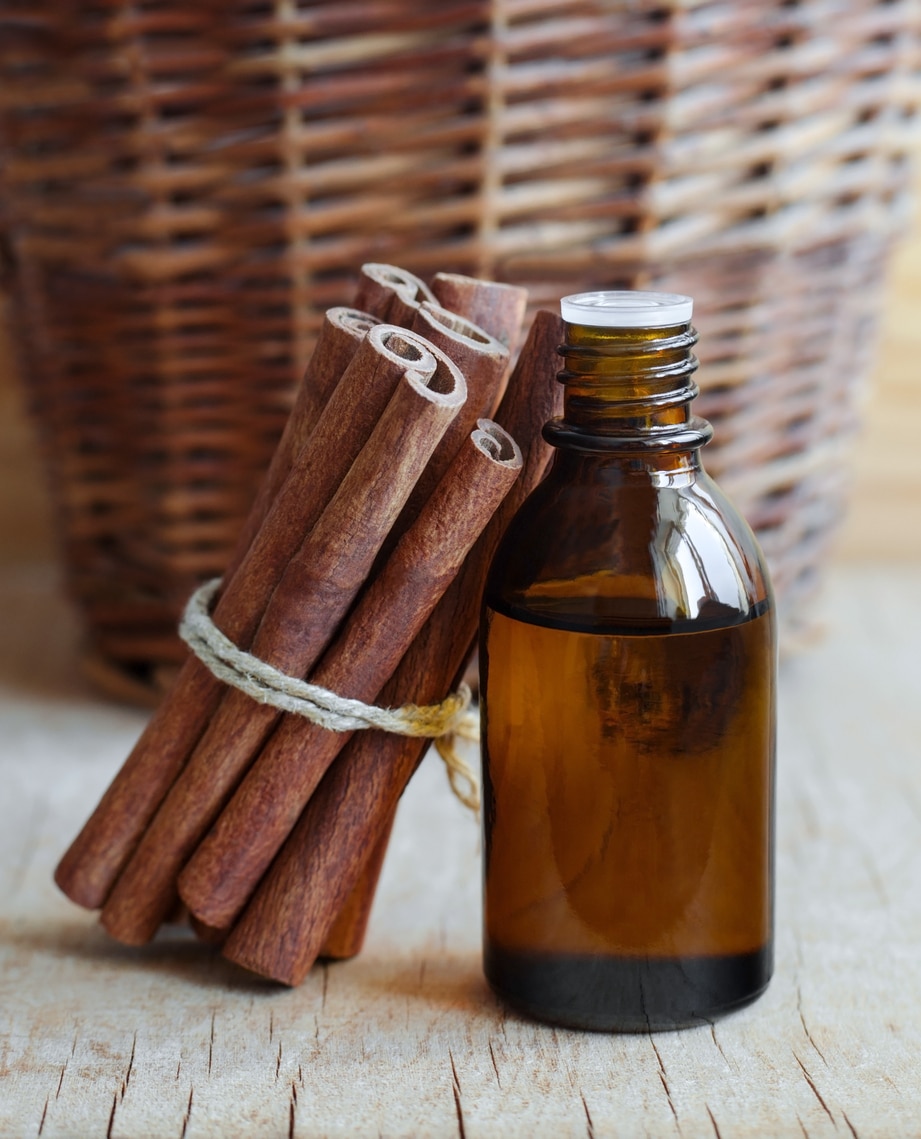
This extract is very strong—applying undiluted essential oil can cause irritation, burning, or at least itching, stinging, and redness, even if you’re not allergic. That’s why it’s important to use it only as a complementary ingredient mixed with other oils like rosehip, jojoba, almond, or coconut. Just one or two drops per cup of carrier oil is enough.
Antibacterial Power That Heals Skin
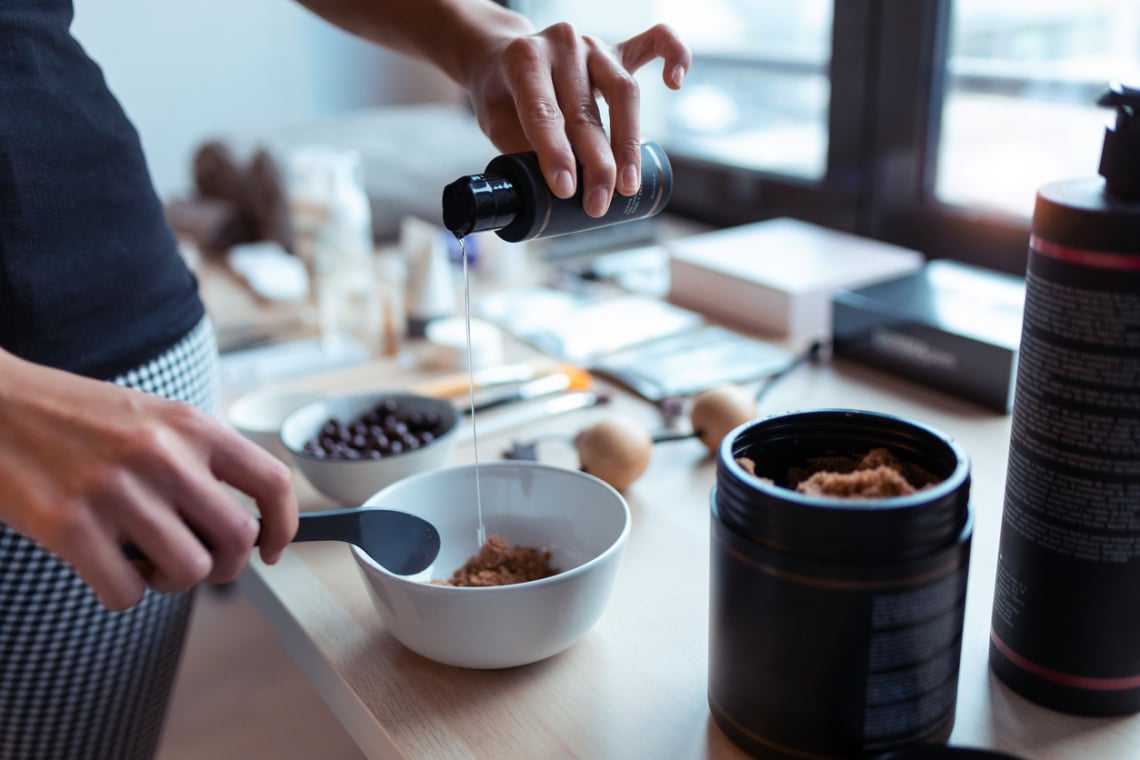
Cinnamon mixed with honey helps treat acne, and adding a drop of cinnamon essential oil to olive oil can smooth fine lines. It plumps up your face and even your lips. Try one drop in two to three tablespoons of olive oil first on a small patch of your forearm to check for sensitivity. If there’s no redness, you can apply it to your face and lips, but avoid the delicate skin around your eyes.
Great for Oral Care
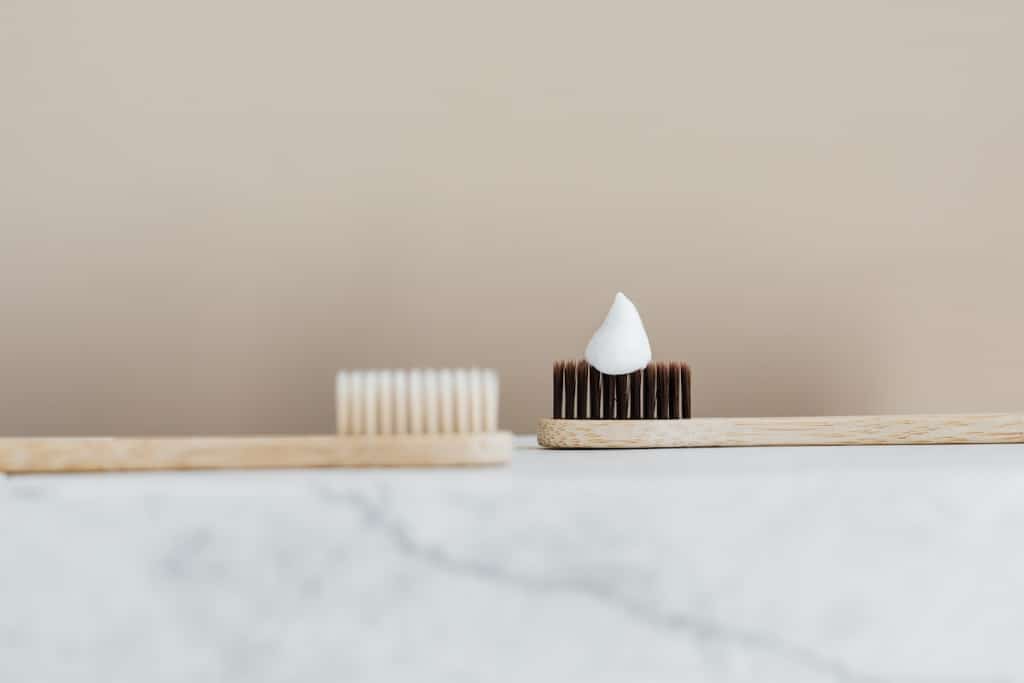
Its antiseptic and antifungal effects work inside your mouth, but use it occasionally or in short courses to avoid wiping out your mouth’s natural, beneficial bacteria. It smells pleasant and freshens breath, but never swallow the mixture. Essential oils are highly concentrated, so always dilute them.
Helps During Colds
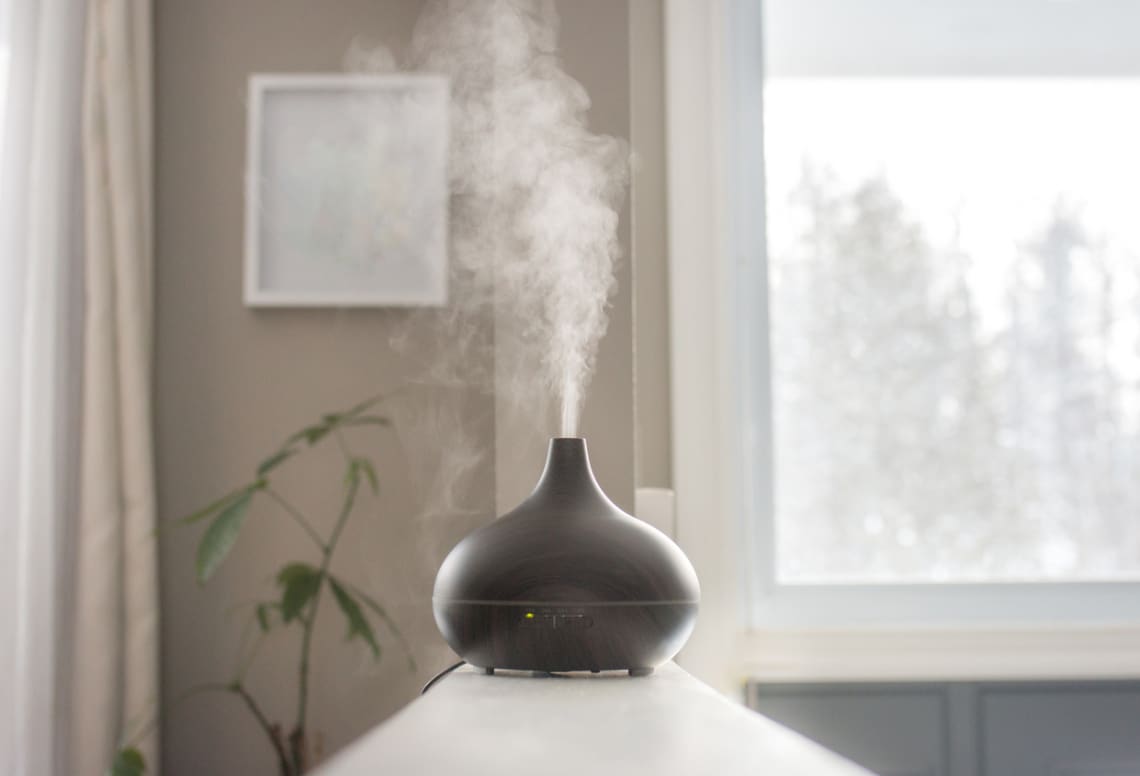
It’s not only a great immune booster but also uplifts your mood, making it popular in aromatherapy. No diffuser? Dab a drop on a fabric pillow or dried flowers—usually one drop is enough because the scent is strong. You can also add it to bathwater or bubble bath. For many, cinnamon’s aroma brings the cozy feeling of home, baked treats, and the holidays. Fun fact: at one point in history, an ounce of cinnamon was more expensive than gold.
Refreshes the Mind
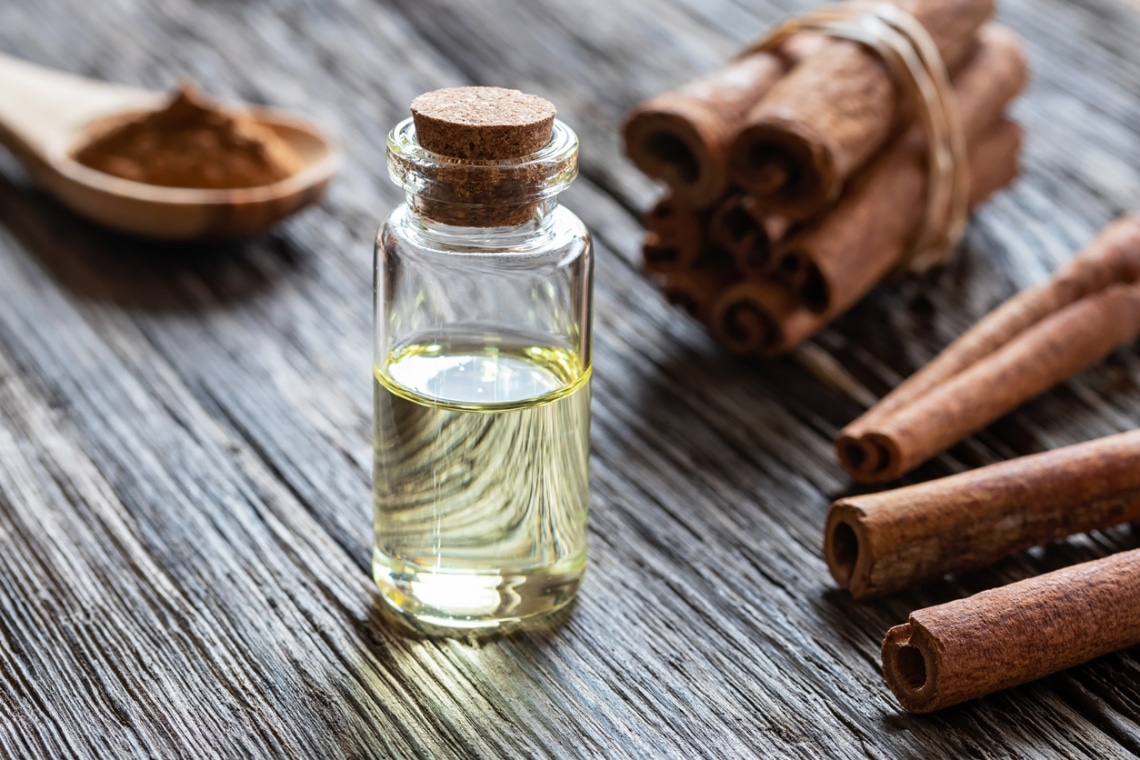
Whether as an extract, powder, or essential oil, cinnamon has been a treasured natural remedy for thousands of years.