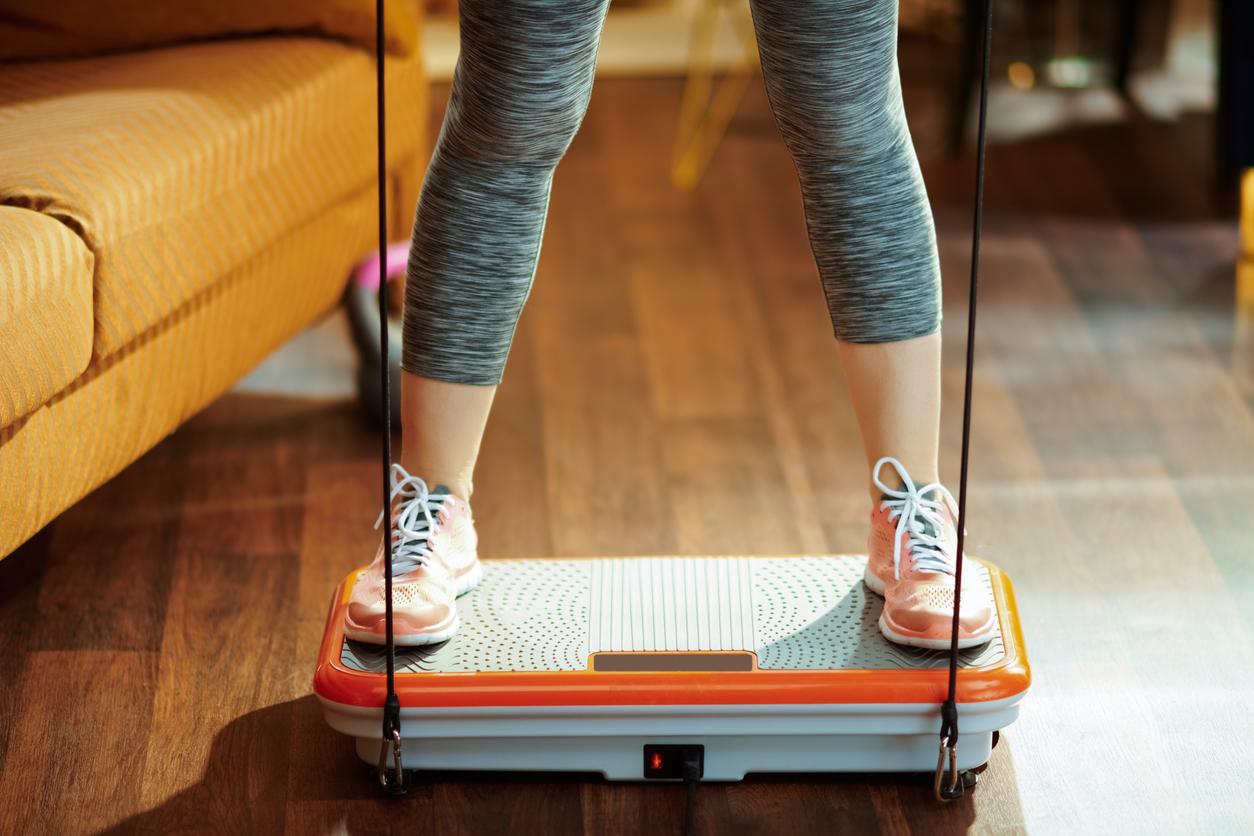
The start of the year is the perfect time to rethink your wellness routine and consider new habits. That’s when red light therapy masks, evening hot water rituals, and now vibration trainers have taken center stage on TikTok.
A vibration trainer is basically a device that creates rapid vibrations while you stand on it. It’s become a favorite gadget in the WellnessTok community. Some use it to ease bloating, support lymphatic drainage, others as a mini workout, a morning wake-up, stress relief, or to soothe back pain. But the big question is: does it really work, or is it just another trend? Let’s see what experts and research say.
What Exactly Is a Vibration Trainer?
Tom Denninger, VP of Clinical Development at ATI Physical Therapy, explains that vibration platforms can have positive effects, but they’re not the "miracle" devices TikTok makes them out to be.
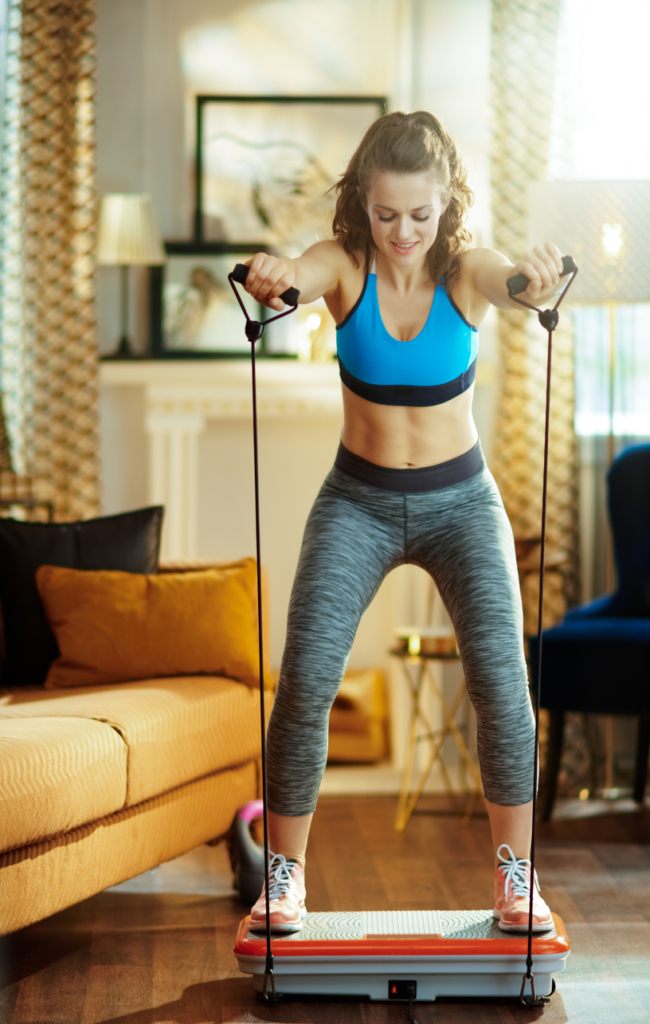
One of the best-supported benefits is improved muscle strength and balance. The vibrations cause muscles to contract and relax rapidly as your body works to maintain balance. This makes simple moves—like squats or bridges—feel more intense, and many users genuinely feel their whole body working.
Several studies show that whole-body vibration (WBV) training can boost muscle strength and enhance balance, especially when combined with traditional workouts. This likely happens because the vibrations trigger multiple reflex contractions, activating muscles more effectively.
Denninger points out that vibration platforms work best as a complementary tool during exercises like squats, lunges, or hip lifts.
That said, he emphasizes: it doesn’t replace traditional exercise, it just supports it.
What About the “Big Promises”?
Claims often heard on TikTok—like boosting lymph flow, improving circulation, reducing lower back pain, or increasing bone density—are less clear-cut from a scientific standpoint.
While some promising results exist, most researchers agree these effects aren’t guaranteed for everyone and shouldn’t be seen as standalone therapy.
“A vibration trainer isn’t a magic wand,” Denninger told Bustle.
Since the vibrations are quite intense, caution is advised, especially during pregnancy, heart conditions, joint instability, or other health issues. Medical advice is recommended in these cases.
How Should You Use It?
If you want to try it, experts say less is more. Denninger notes that most benefits come from short sessions of 5–15 minutes, and longer use doesn’t necessarily mean better results.
John Gallucci Jr., CEO of JAG Physical Therapy, says vibration platforms work best when integrated into your existing workout. Lower-body moves—squats, lunges, step-ups, calf raises—can improve balance and activate muscles. Advanced users can even use them for planks, push-ups, or triceps exercises, as long as feet stay stable and vibration intensity matches your goals.
Many on TikTok use vibration trainers as a morning energizer, to activate muscles before workouts, or to ease stiffness afterward. Do you need one? Not at all. But if you love gadgets and are curious, you might just enjoy it—just know what it’s good for and what it’s not.