Essential oils have made a major comeback — and it's easy to see why. Millions of people are turning to them as part of a natural wellness routine, drawn by the promise of calmer nerves, better sleep, and a more balanced life. But there's a catch: most people are using them wrong.
Modern aromatherapy isn't just rooted in folk tradition anymore. Scientific research and chemical analysis increasingly support the idea that high-quality essential oils, used mindfully, can genuinely contribute to physical and emotional wellbeing. The problem? Most people skip the "mindfully" part.
The same scent doesn't work the same way for everyone
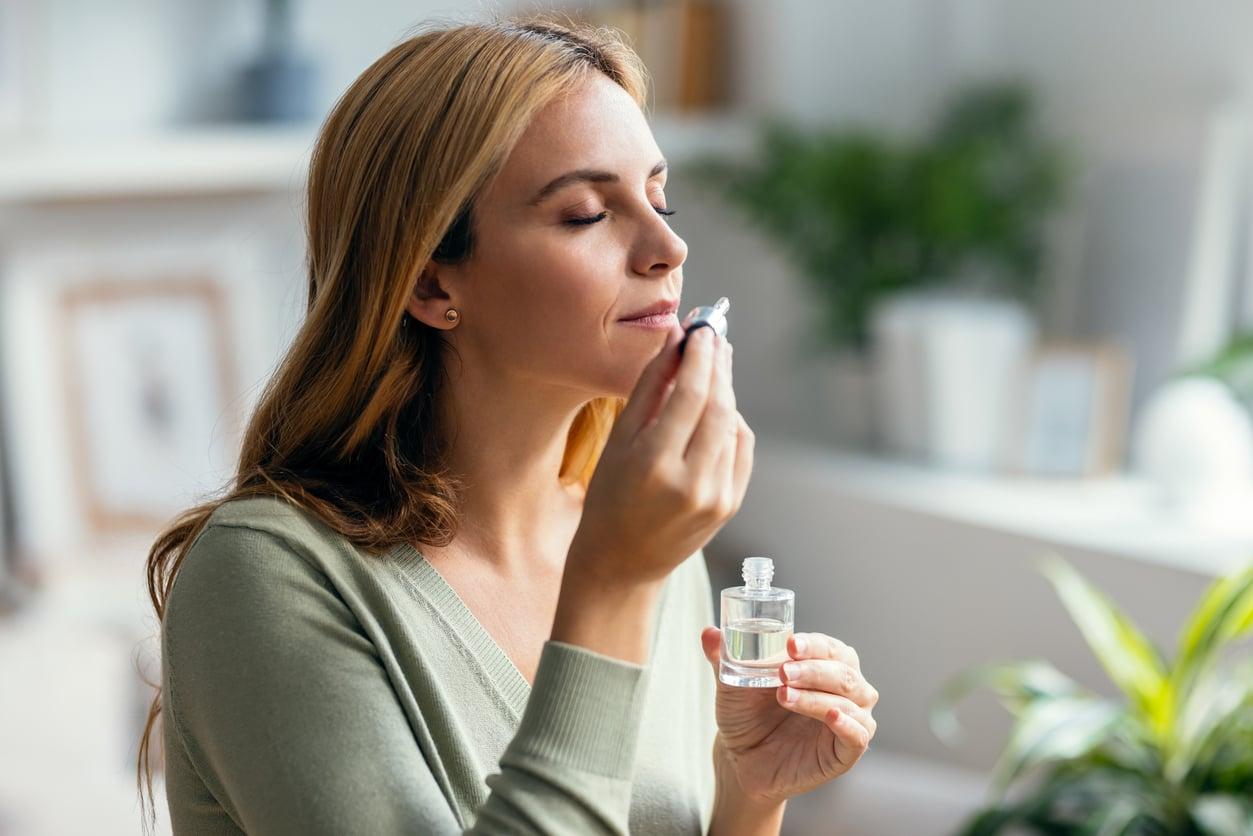
One of the most persistent myths about essential oils is that they have universal effects — that lavender always relaxes, or that peppermint always sharpens focus. In reality, your relationship with any given scent is deeply personal.
Memories, childhood associations, and individual sensory preferences all shape how you respond to an aroma. Lavender might be the ultimate relaxation scent for one person — and trigger an uncomfortable memory for another. A citrus or rose fragrance might feel far more grounding and harmonious for someone whose emotional landscape leans that way.
This is why aromatherapy should always begin with your own response. The "textbook effect" of an oil matters far less than how your body and mind actually react to it.
The most popular essential oils and what they're traditionally used for
While individual responses vary, certain oils have well-established reputations in aromatherapy practice:
- Lavender: stress relief and promoting a sense of calm.
- Eucalyptus: supporting respiratory clarity and creating a fresh, open feeling.
- Peppermint: digestive comfort and improved concentration.
- Tea tree: antibacterial properties, helpful for blemish-prone skin and immune support.
- Lemon: uplifting mood, refreshing the senses, and easing nausea.
- Rosemary: associated with memory support and improved scalp circulation.
These aren't miracle cures for specific problems — they're complex bioactive compounds that deserve careful, informed use.
Fake essential oils are more common than you think
Here's something most people don't consider when they grab a bottle off the shelf: the essential oil market is full of counterfeit and low-quality products. And a diluted or adulterated oil doesn't just underperform — it can cause unwanted reactions.
Dr. Diána Takács-Tóth, founder of Diadeur and a doctor of pharmaceutical chemistry, emphasizes that choosing a trustworthy essential oil is a conscious decision. When shopping, she recommends looking for:
- the plant's Latin name clearly listed on the label,
- the country or region of origin,
- the extraction method used,
- which part of the plant was used,
- and ideally, available laboratory test results.
The real power of essential oils only comes through when the quality is pure and verified. Anything less is just scented water — at best.
Essential oils are more powerful than most people realize
It's tempting to think of essential oils as harmless little bottles of nice smell. But these are naturally occurring chemical compounds with real biological activity — and that cuts both ways.
Used correctly, they can genuinely calm, energize, or restore. Used carelessly, they can cause skin irritation, allergic reactions, or other unwanted effects — especially at high concentrations.
According to Dr. Takács-Tóth, the effect of any essential oil depends on the dose, the quality, and the individual's sensitivity. This makes mindful, moderate use especially important — and extra caution is warranted for children, during pregnancy, or when managing chronic health conditions.
What can essential oils actually help with?
Based on both research and practical experience, aromatherapy can offer meaningful support in several areas:
- reducing stress and anxiety,
- improving sleep quality,
- easing menstrual discomfort and cramps,
- soothing minor skin irritations,
- relieving headaches and nausea,
- lifting mood,
- supporting relaxation and mental balance.
These are complementary benefits, not medical treatments. Essential oils work best alongside a healthy lifestyle — not as a replacement for professional medical care.
The biggest mistake: expecting too much, too fast
The most common error people make with essential oils isn't the wrong dilution ratio or the wrong diffuser. It's unrealistic expectations. When people treat them as cure-alls and see no dramatic overnight results, they either give up entirely or start using more — which can actually make things worse.
Dr. Takács-Tóth puts it simply: the real value of aromatherapy lies in conscious, consistent practice. Essential oils aren't magic — they're natural bioactive substances that, when used with knowledge and responsibility, can genuinely improve your quality of life.
The secret to getting results? Intentionality
Aromatherapy is increasingly woven into modern wellness culture — and rightly so. But the difference between an oil that transforms your evening routine and one that just sits on your shelf comes down to three things: quality, correct application, and realistic expectations.
Natural compounds become truly powerful tools only when they're grounded in science, used responsibly, and adapted to your individual needs.
Essential oils aren't shortcuts. They're small, potent allies — and like any ally, they work best when you take the time to understand them.