The prep that buys you a second week
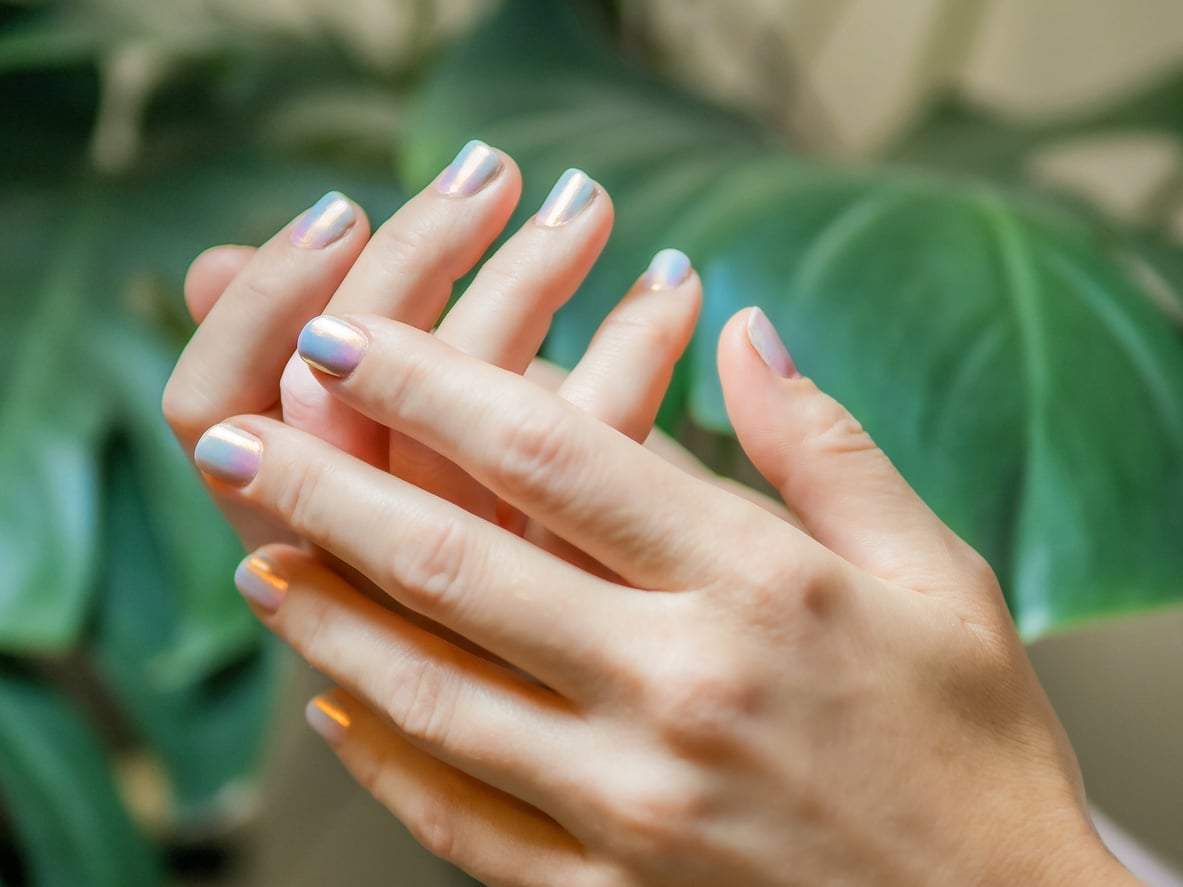
Most home manicures chip early for the same three reasons. First, the nail plate is not clean: hand cream, cuticle oil or shower residue leaves a film that polish cannot grip. Wipe each nail with a little nail polish remover on a lint-free pad right before you start, even if the nails look bare. Second, the coats are too thick — two thin coats dry properly, one thick coat stays soft under the surface and dents against a car door two hours later. Third, the free edge is left open. Run a fine line of colour and then top coat along the tip of each nail, sealing it like the edge of a hem; this single step is what stops the polish lifting away from the end.
Then keep cuticle oil by the kettle and use it daily. Flexible nails chip less than dry, brittle ones, and oiled cuticles make a two-week-old manicure look far fresher than it is.
How do I stop dark polish from staining my nails?
Always use a base coat, and use it properly: one full layer on every nail, including the tip, and let it set before the colour goes on. Pigment stains through bare keratin, especially in the wine and espresso families, so the base coat is a barrier rather than an optional extra. If yellowing has already happened, going polish-free for a week or two, with daily oil, usually lets it grow out.
My nails peel every time I take polish off — what am I doing wrong?
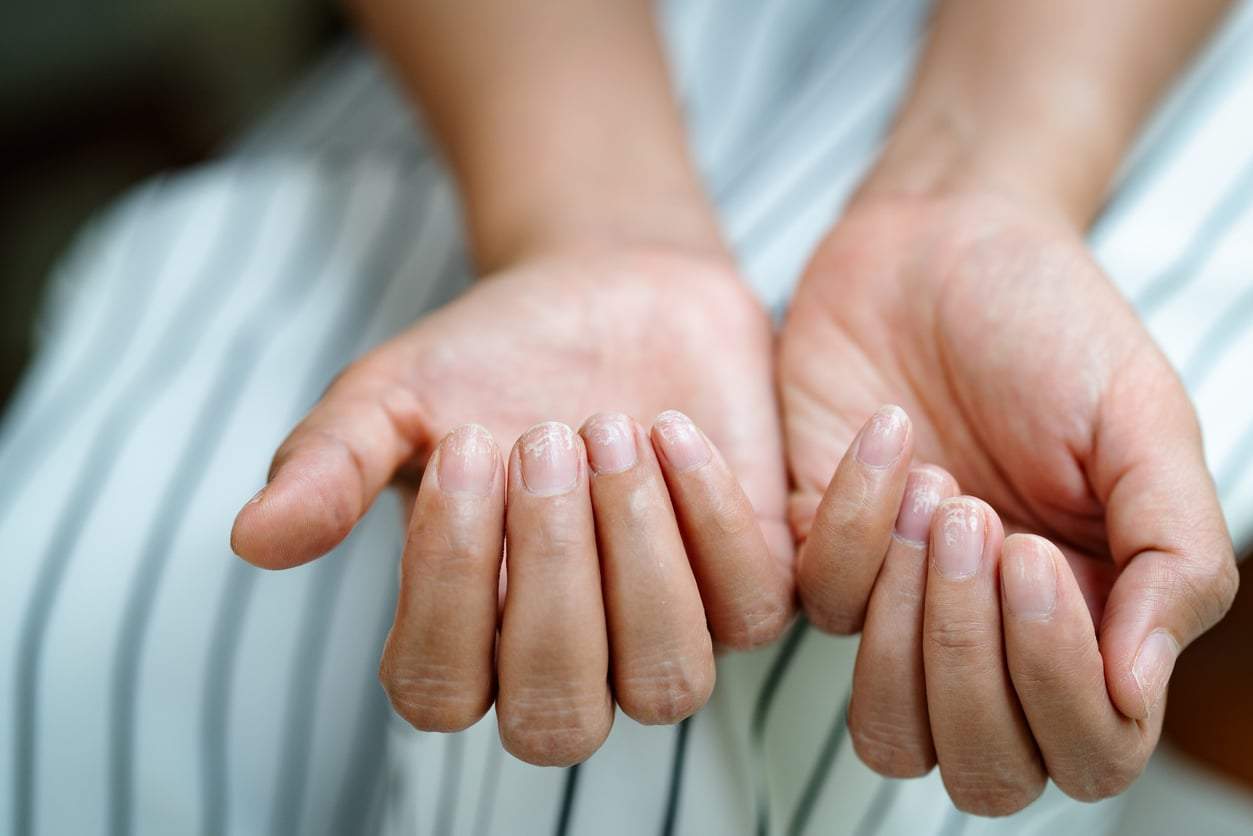
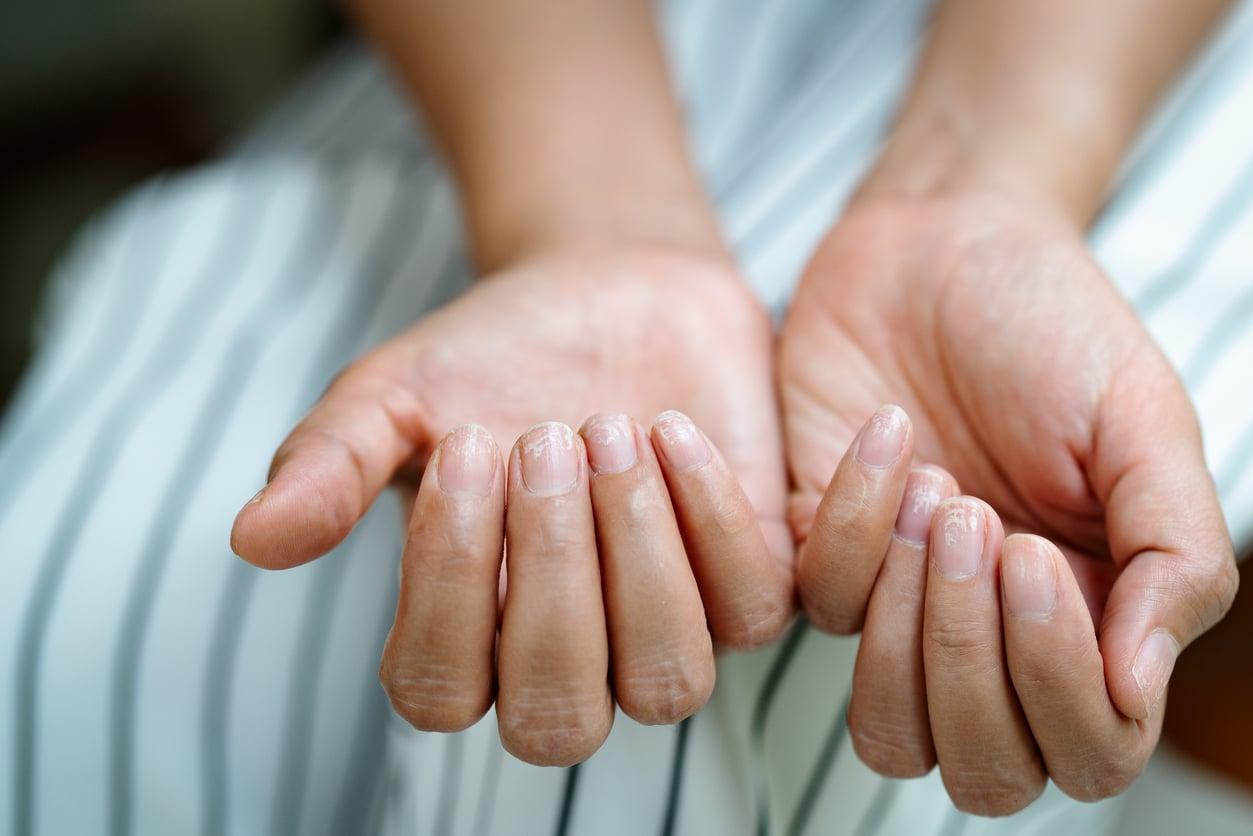
The most common culprits are scraping or picking gel and glitter off rather than soaking them, and harsh removal habits like filing the surface of the nail between manicures. Use a proper remover, be patient, and give your nails a bare stretch with oil and a hand cream after a run of heavy colour. If your nails change shape, colour or thickness without an obvious cause, or the skin around them becomes painful, that is worth mentioning to a pharmacist or your doctor rather than treating at home.