We all want the best for our four-legged pals: buying premium food, taking long walks in the park, and spending as much time together as possible. But in our good intentions, we often overlook the little things that truly support our dog’s peace of mind, and unintentionally create habits that cause them stress.
Dog anxiety isn’t always obvious like trembling or whining, as viral videos might suggest. Sometimes, a subtle pacing back and forth or turning away from a petting attempt is their way of saying something’s off in their little world.
Learn to Read Their Signals
It’s common to misinterpret or simply overlook our dog’s silent cries for help. If your pup yawns a lot (even when not tired), freezes in place, or turns their head away when you try to pet them, they’re telling you: “I’m not feeling okay right now.”
Forcing social interactions with strangers or other dogs at these moments only deepens their anxiety. Respect their boundaries and don’t expect them to be “friendly” in every situation—sometimes they need space or a clear escape route.
The Price of Cleanliness
We all love the fresh scent of a clean dog, but your pup probably feels differently. Overbathing or excessive grooming can irritate their skin and strip away their natural scent—the very smell that makes them feel safe.
That’s why many dogs immediately roll in the carpet or grass after a bath—they’re desperately trying to reclaim their “own smell.” Hygiene is important, but don’t overdo it. Let your dog keep a bit of that doggy scent—it helps them feel confident in their own skin!
Loud Words Hurt More Than Help
Many think a firm shout or scolding tone is the best way to stop bad behavior, but the truth is loud noises signal danger to dogs. When you yell, your pup doesn’t analyze their mistake—they react with stress that can keep them on edge for a long time.
Research shows punishment-based training makes dogs “pessimistic” over time. Instead of becoming more disciplined, they start to fear you. Patience and rewards build deeper trust, because your dog isn’t trying to annoy you—they just speak a different language.
Predictability: The Foundation of Safety
Imagine never knowing when you’ll get lunch or go outside for fresh air—that’s how a dog feels without a set routine. Animals thrive on routine: it gives them security to know when food arrives, when walks happen, and when it’s bedtime.
When their schedule is constantly disrupted, it breeds uncertainty, often leading to clingy, cranky behavior or unexpected “mischief.” A stable, predictable routine benefits both you and your dog, helping them relax while you handle your day.
Less Is Sometimes More
We often show love by spoiling our pets: five new toys at once, cute dog clothes, or taking them to a crowded festival so they’re not left home alone...
What excites us or seems flashy can overwhelm a dog’s senses.
Dogs can’t process too many new stimuli at once. Instead of enjoying the tenth squeaky ball, they freeze from sensory overload. The same goes for dressing up: if your dog moves awkwardly or freezes like a statue, don’t push it just for a cute photo. Let them be themselves and introduce new things gradually, one at a time!
Stress-Free, Tug-Free Walks
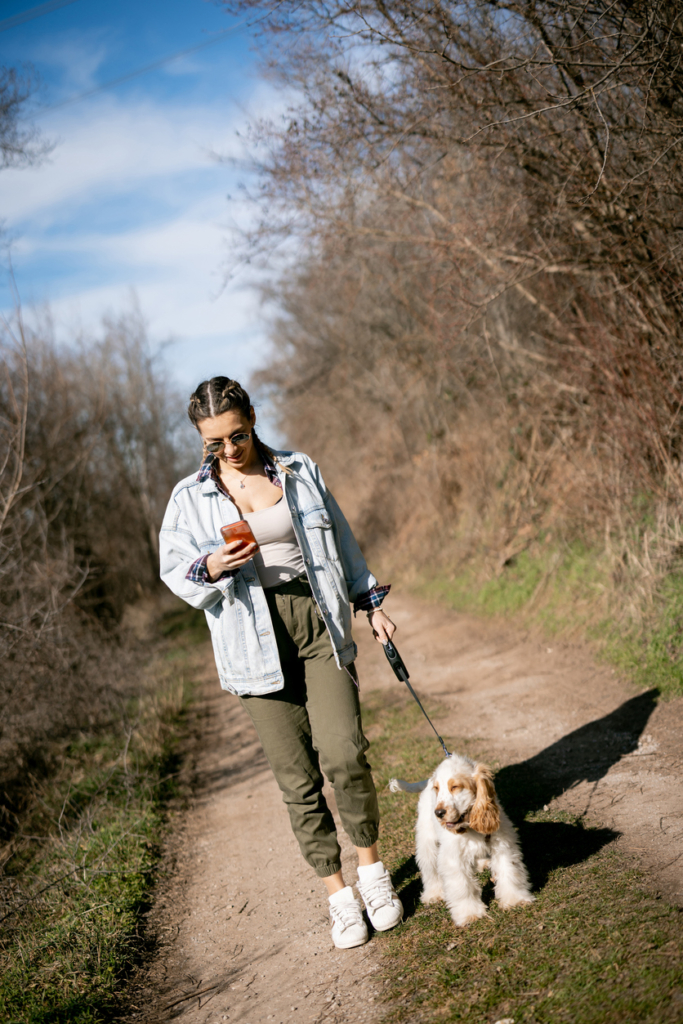
The leash isn’t a steering wheel to control your dog—it’s a connection between you. Sudden jerks can cause physical pain and serious anxiety. If pressure on their neck feels scary, your dog will soon associate walks with stress.
Similarly, tension arises if someone approaches too quickly on the street. Don’t hesitate to set boundaries and say no to strangers—your job is to protect your dog from unwanted interactions! Walks should be your quality time together. When your dog feels safe with you, they become a calmer, more balanced companion.
Building your relationship on mutual respect, understanding, predictability, and clear boundaries creates a deep, wordless bond between you.