Light, texture, and things that survive rain
Once the evenings start at five, light is the whole difference between a usable balcony and a dark ledge. Solar string lights are fine in autumn but weaken badly in deep winter, so add battery lanterns with a timer, or a rechargeable table lamp you bring in to charge. Warm light, low down, positioned so you are not staring into it — the effect from inside the room is worth it even on nights you don't go out.
For textiles, be honest about what will get wet. Keep indoor cushions indoors and use genuinely outdoor-rated ones outside, stored in a small bench or a lidded box so they're dry when you want them. A cheap waterproof-backed picnic blanket over the chair does the same job. One heavy wool blanket kept just inside the door, on a hook, is the single item that has got me outside most often — the decision to step out has to be frictionless or it doesn't happen.
The planting that carries you to spring
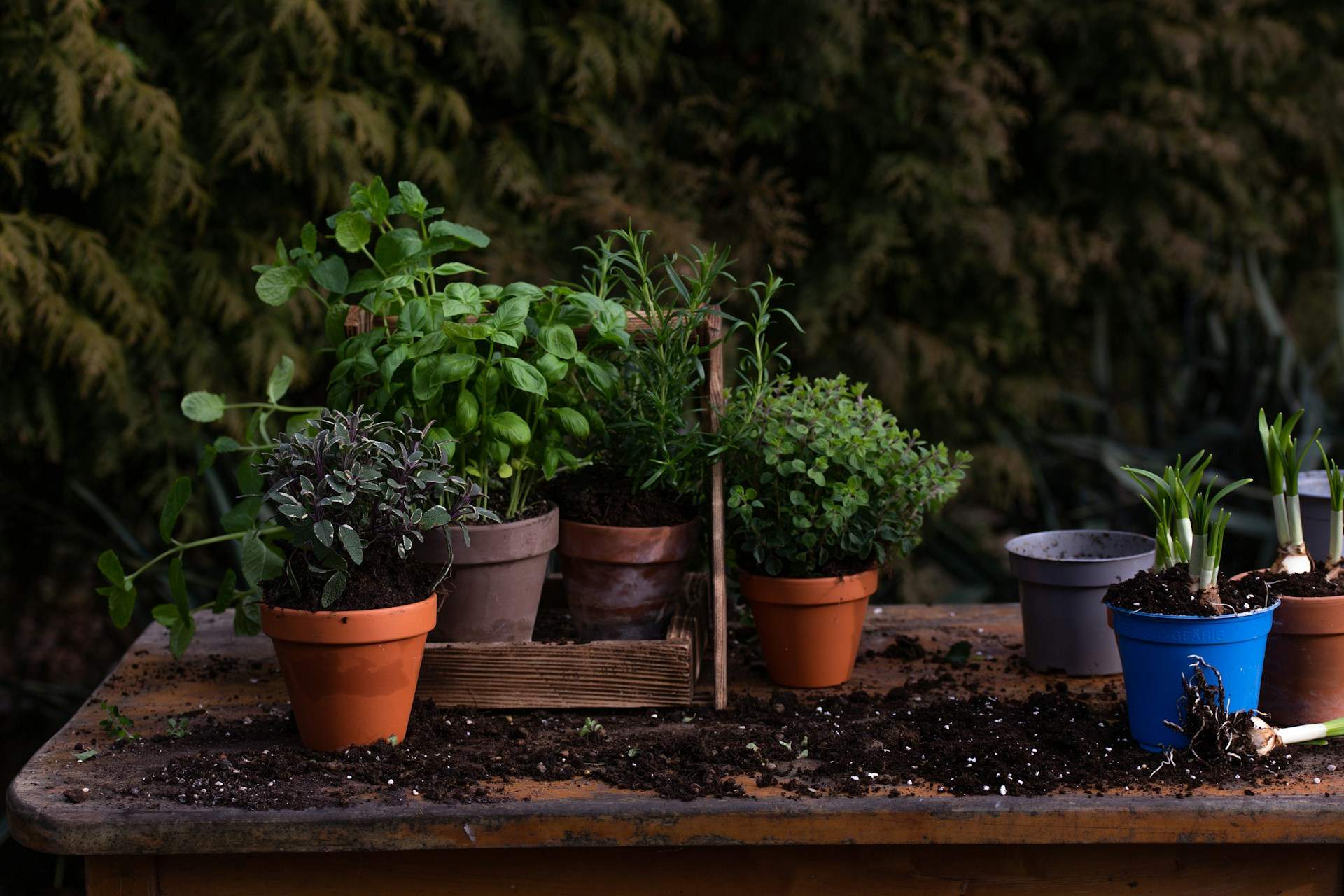
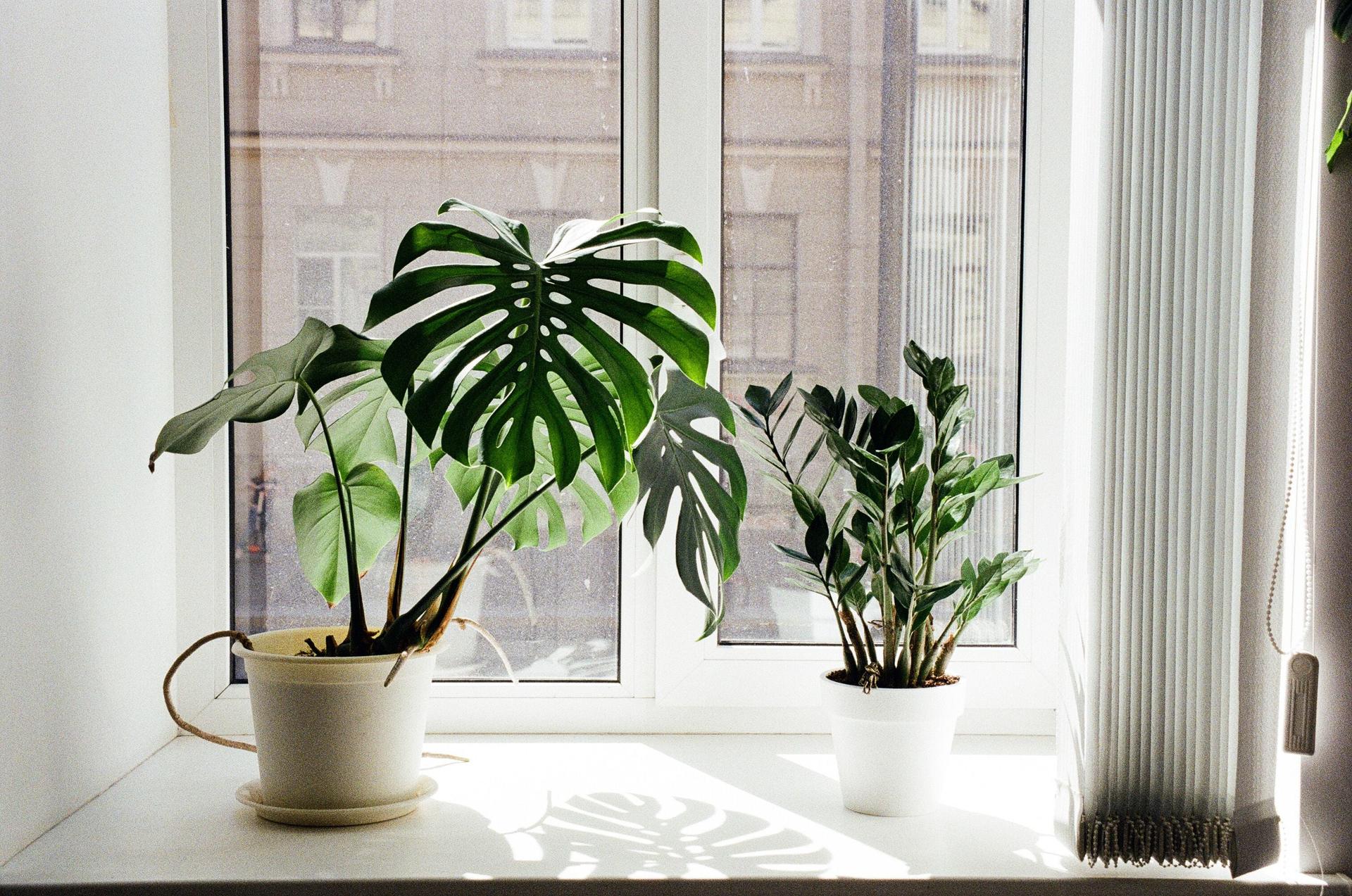
Containers don't have to be empty. Evergreen structure is what you want: a small box or dwarf conifer, ivy trailing over the edge of a pot, heuchera in bronze and plum tones that hold colour through frost. Ornamental grasses look better dead than alive, catching light and rustling in wind, so leave them standing rather than cutting them back in autumn. Hellebores and winter-flowering heathers give you something to look at in the bleakest weeks, and bulbs planted into the top layer of an existing pot now — tulips, crocus, dwarf iris — will surprise you in February.