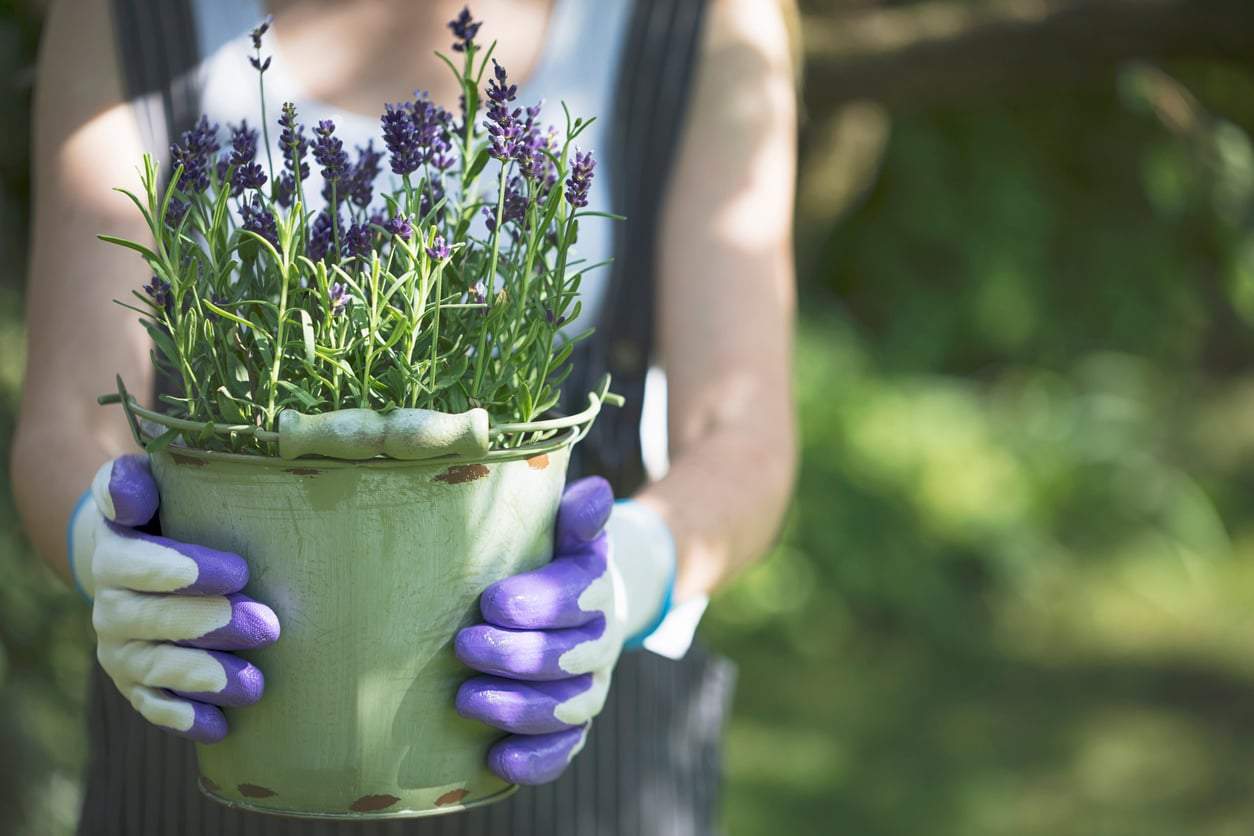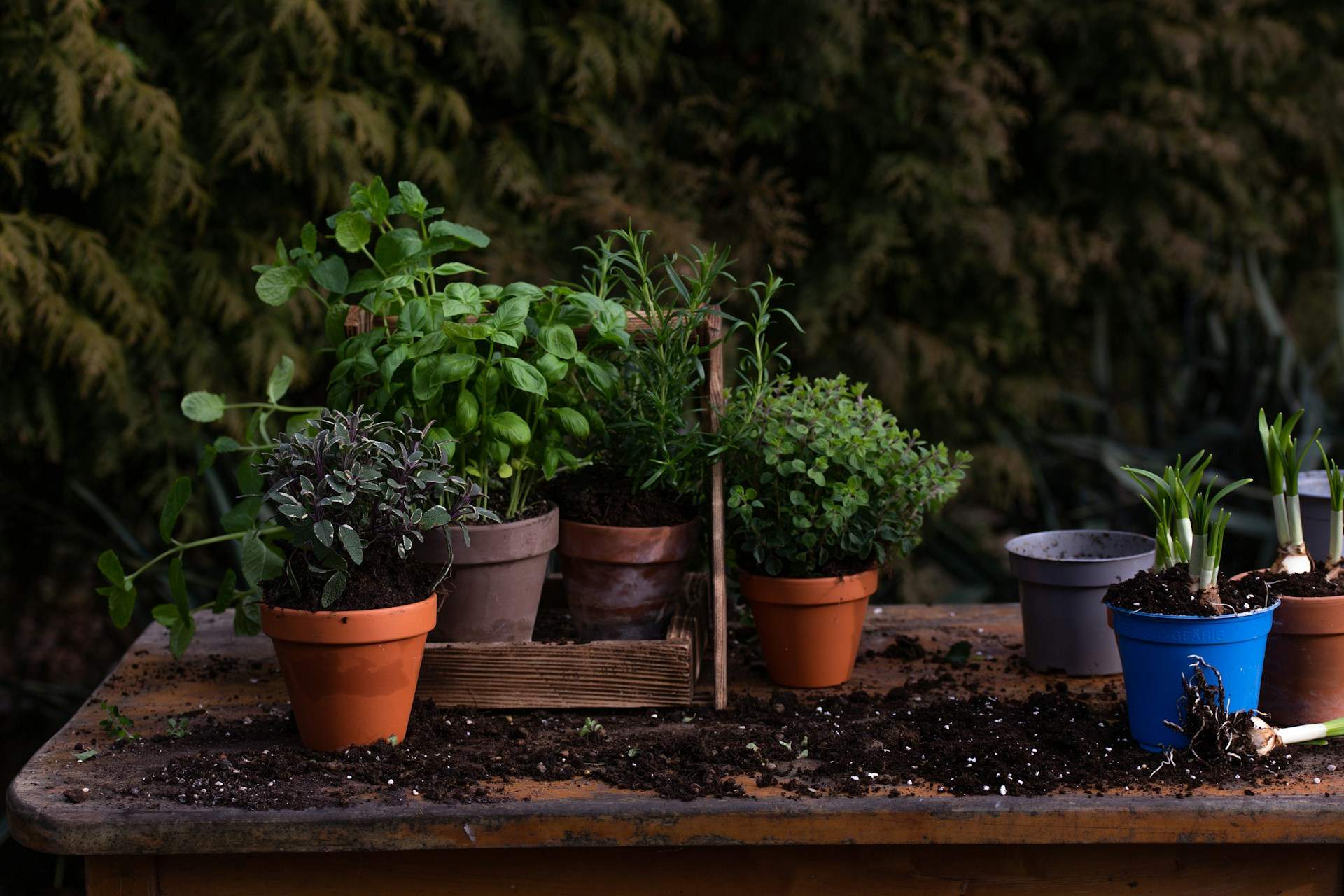
Hardy herbs earn their place twice: rosemary, bay, thyme and sage all cope with cold and mean you can step outside on a December evening for something you actually need. Give all your pots feet or bricks so water drains away and roots aren't sitting in a frozen puddle, group them together against a wall for mutual insulation, and wrap the most vulnerable pot in hessian or bubble wrap. Terracotta is the one to protect — it cracks when wet soil freezes inside it.
What if my balcony gets almost no sun in winter?
Plenty of winter plants cope with shade better than summer ones do, because they are adapted to woodland conditions: ivy, ferns, heuchera, hellebores and skimmia will all tolerate low light. Focus on foliage and texture rather than flowers, use pale pots and a light-coloured screen to bounce what daylight there is, and lean harder on lanterns for atmosphere. A shaded balcony can be genuinely lovely — it just needs to be a green, textured space rather than a floral one.
Do I need to bring everything indoors when it freezes?
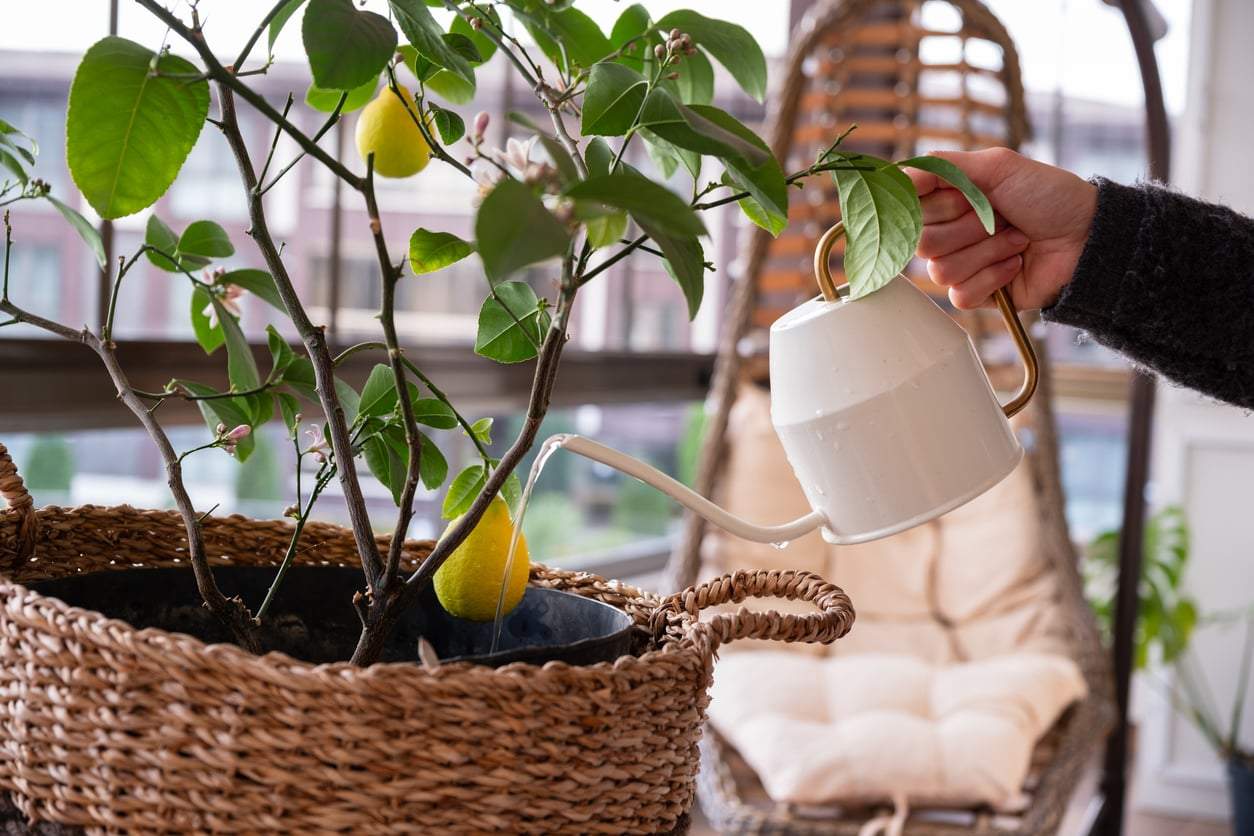
Only the tender things — anything Mediterranean or subtropical, pelargoniums, citrus, olive in a hard frost, and young plants that haven't established roots. Hardy shrubs, grasses and herbs are better left outside, where they expect to be; the real risk to them is waterlogging and wind, not cold. Move pots close to the wall before a cold snap, check that drainage holes aren't blocked, and remember that containers on a windy balcony dry out even in winter, so water occasionally on mild days.