The prep that actually stops chipping
Most at-home manicures fail at the beginning, not the end. Oil is the enemy of adhesion, so after you've pushed back cuticles and filed, wipe each nail with a cotton pad dipped in a little nail polish remover — even on bare nails, even if they look clean. That one step buys you days.
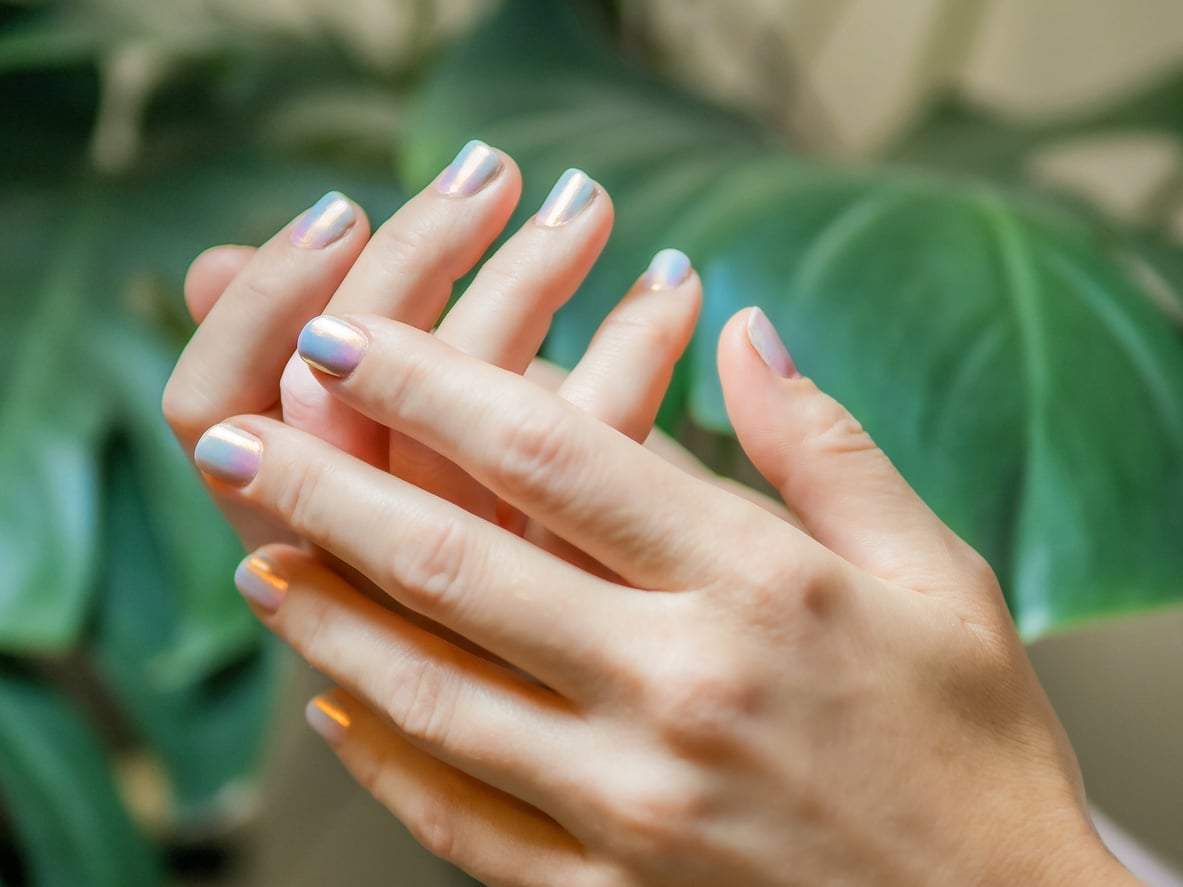
Then: thin coats, always. A thick coat of dark polish looks solid in the moment but stays soft underneath for hours and dents against your car keys. Two thin coats dry harder than one thick one. Cap the free edge each time by running the brush along the very tip of the nail, which is where chipping starts, and finish with a top coat you reapply every second or third day. Reapplying top coat is the single habit that separates a manicure that lasts a week from one that lasts a weekend.
How do I stop dark polish from staining my nails?
Pigment-heavy berries and reds can leave a yellowish cast if they sit directly on the nail plate, so never skip the base coat — it is doing a real job, not an upselling one. When you remove the colour, press a saturated cotton pad onto the nail and hold it for a few seconds before wiping, rather than scrubbing back and forth, which drags pigment across the surrounding skin.
What if my nails are dry and flaky in winter?
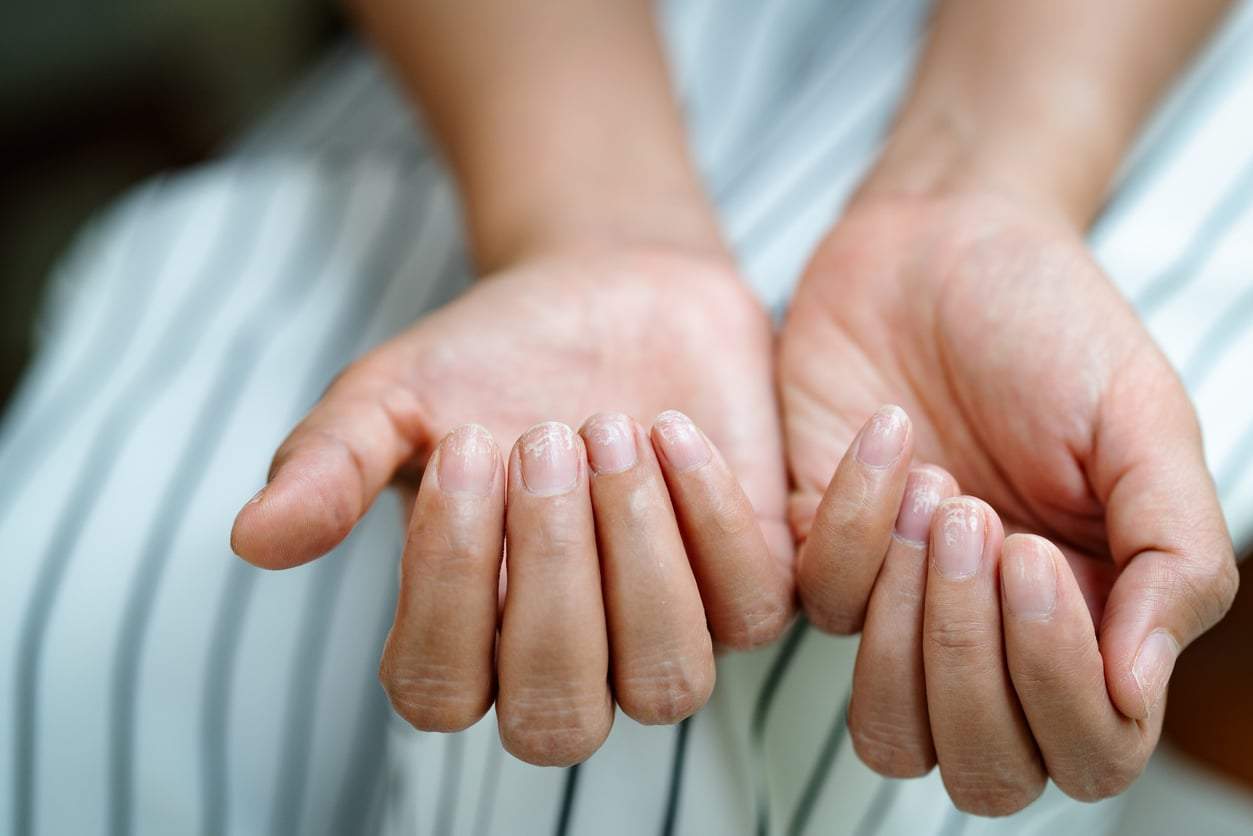
Cold air, hot water and constant hand-washing strip the nail and the skin around it, so colour alone won't fix the look. Keep a cuticle oil somewhere you'll actually use it — beside the kettle, in your coat pocket — and apply it at the end of the day rather than before painting. If your nails are genuinely breaking, lifting or changing colour in a way that seems unusual rather than just seasonal, it's worth mentioning to a GP or pharmacist rather than covering it up.