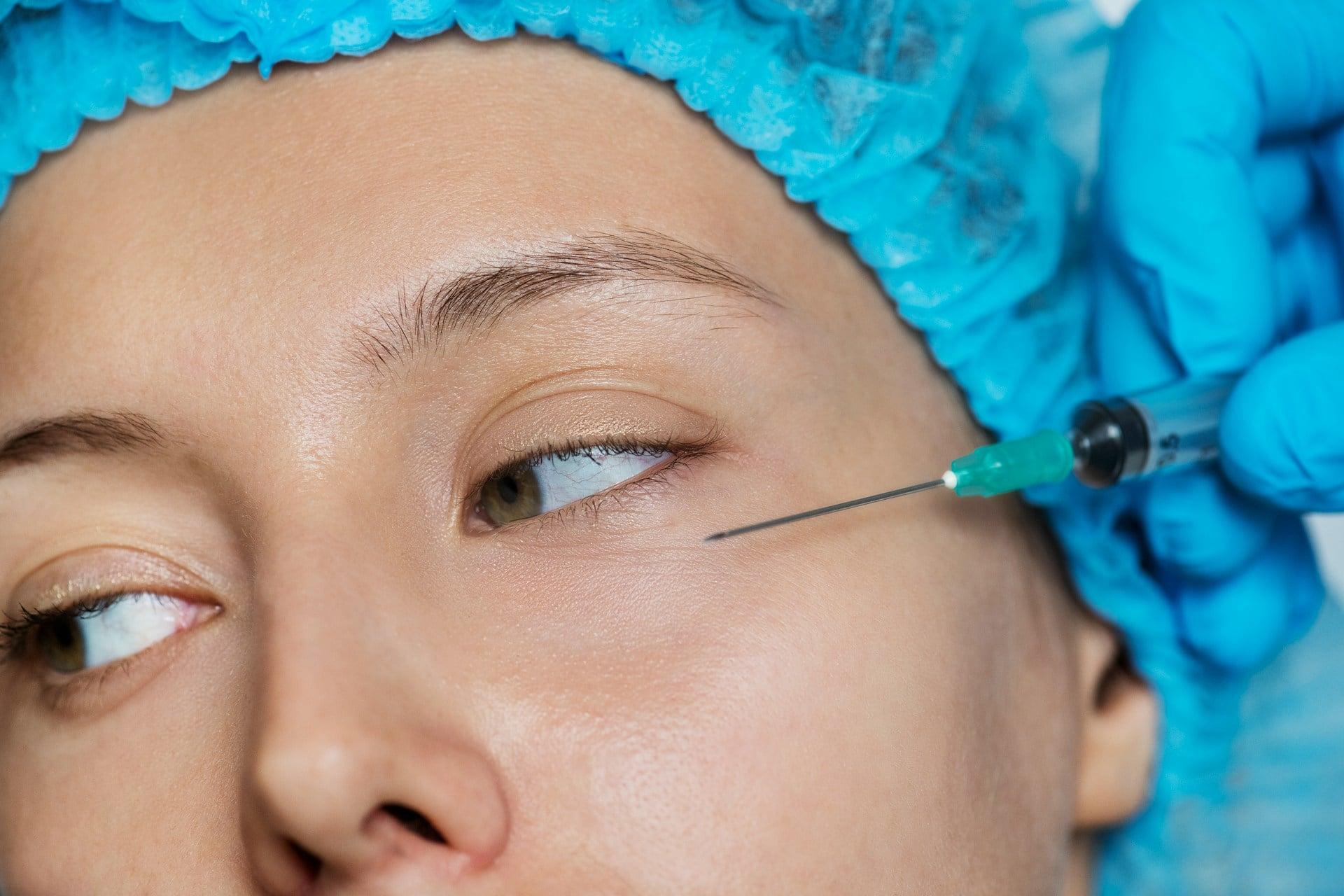
Botox has quietly become one of the most versatile tools in modern aesthetics — and its reach goes far beyond smoothing forehead lines. Doctors are now injecting it into calves, scalps, and even the area between the brows to lift mood. What once seemed extreme is quickly becoming mainstream.
Most of us still associate Botox with wrinkle relaxation, and that remains its most popular use. But the reality is that practitioners are constantly discovering new applications — some genuinely useful, others that raise a few eyebrows (lifted or otherwise).
"Whatever extreme request a patient can dream up, I've probably already heard it," says Dr. Monika Kiripolsky, a Beverly Hills dermatologist speaking to Byrdie.
She's treated everything from the classic eye and forehead area to requests for scrotal Botox and scalp injections to reduce oiliness. Meanwhile, treatments that seemed niche just a few years ago — like "Trap Tox," injecting the trapezius muscle to slim the neck and shoulder area — are now trending hard.
But as Dr. Kiripolsky also warns: just because Botox can be used somewhere doesn't always mean it should be. Real expertise often means knowing when less is more.
Here are some of the lesser-known Botox treatments that are gaining real momentum right now.
A "nose job" without the surgery
Filler-based liquid rhinoplasty made waves on social media a few years ago — but it's not the only non-surgical way to reshape the nose.
"As we better understand the muscle dynamics of the face and body, the range of applications keeps expanding," says Dr. Moustafa Mourad, a facial plastic surgeon.
Botox can soften the "bunny lines" that appear across the nose bridge, reduce excessive nostril flaring, and even gently lift the tip of the nose by relaxing specific muscles. The results are subtle — but for the right candidate, surprisingly effective.
Brow shaping without a blade
If you've ever played with a brow-lifting filter on TikTok, you already know how dramatically a small change to the eyebrows can transform your entire face.
"This is one of the most powerful aesthetic uses of Botox — when it's done correctly," says Dr. Mourad.
The key word is correctly. Too much Botox flattens the brow into an expressionless shelf. The right amount, placed precisely, creates a natural, elegant arch. It's a treatment where the injector's skill matters enormously.
Fuller-looking lips — no filler required
Not everyone wants hyaluronic acid lip filler, but that doesn't mean they're happy with their lips. Enter the lip flip — a technique where a few units of Botox are injected around the upper lip, causing it to gently roll outward and appear fuller.
It can also correct a gummy smile, where too much gum shows when you grin. Dr. Kiripolsky notes that the results are subtle and temporary, but for people who want a natural enhancement without added volume, it's a compelling option.
Dr. Mourad has also noticed a newer trend: patients requesting lip and facial Botox specifically to look better on video calls and camera — not to change how they look in the mirror, but how they appear on screen.
Can Botox actually improve your mood?
This might be the most unexpected use of all. Dr. Mirim Hanson, a dermatologist, says she's seeing a growing number of patients who come in specifically because they've read about Botox's potential mood-lifting effects.
"Emerging research suggests that relaxing the muscles responsible for frowning may positively influence mood by reducing the physical expression of stress," she explains.
The theory is rooted in facial feedback — the idea that a more relaxed facial expression sends calming signals back to the brain. Several studies are now exploring whether this mechanism could also help with mild anxiety symptoms. It's early science, but it's genuinely intriguing.
Sweating less — even if you don't have hyperhidrosis
Many people know Botox can treat excessive sweating, but you don't need a clinical diagnosis to benefit from it. The injections can be used in the underarms, scalp, palms, or intimate areas to significantly reduce perspiration.
Dr. Kiripolsky says it's especially popular among people who frequently appear in public or on camera — anyone who wants to stay camera-ready and sweat-free for important events.
Slimmer calves without surgery
One of the more unusual requests Dr. Mourad receives is calf Botox — injecting the gastrocnemius muscle to reduce its bulk and create a leaner, more contoured leg shape.
It requires a relatively large dose of Botox, and it's still rare in most practices. But as the treatment gains traction on social media, that's likely to change. For people who feel self-conscious about muscular calves and want to avoid surgery, it's becoming a real alternative worth knowing about.
Before you book: the risks are real
Botox is widely considered safe when performed by a qualified professional — but "generally safe" doesn't mean risk-free.
Common side effects include temporary swelling, redness, bruising, or tenderness at the injection site. More concerning is the possibility that the result simply doesn't look the way you imagined: misplaced injections or too-high doses can leave parts of the face looking unnaturally stiff, or cause temporary drooping of the brow or eyelid.
For newer, less-established uses — like calf or trapezius Botox — there's an added consideration: weakened muscles can affect movement and athletic performance. Anyone who exercises regularly should have a detailed conversation with their doctor before going ahead.
It's also worth remembering that Botox is not permanent. Effects typically fade within three to six months, meaning maintenance treatments are needed to sustain results — and those costs add up over time.
Not every trend is right for every person
Social media can make it look like every body part can be optimized with a few quick injections. But experts consistently urge caution with emerging trends. What works beautifully for an influencer or celebrity may not be the right choice for you — and a good practitioner will tell you so honestly.
Before booking any treatment, do your research thoroughly. Seek out a specialist who not only has the skill to perform the procedure, but also the integrity to tell you when you simply don't need it.