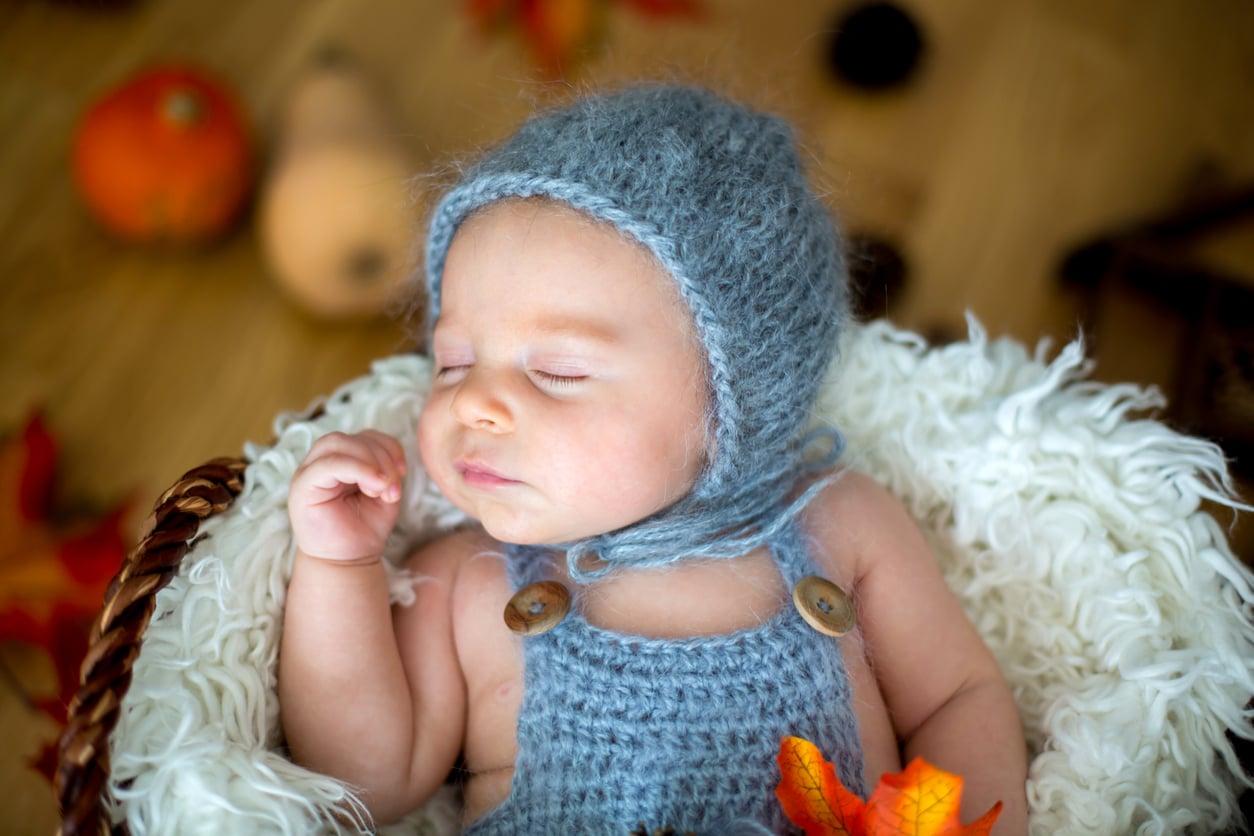
Birth is one of life’s most beautiful moments, and while we might not expect our birth season to shape our future, stats reveal intriguing differences between babies born in fall and spring. These differences show up not just physically, but also mentally and socially.
Health Differences
Several studies have explored the interesting trend that babies born in fall (September to November) often enjoy certain health advantages.
For example, a 2017 study found these children generally arrive with higher birth weight and length than those born in spring (March to May). But it doesn’t stop there: long-term observations show fall-born individuals tend to experience fewer chronic illnesses in adulthood.
Some research suggests fall births may be linked to milder depressive symptoms in certain groups. A 2023 study noted lower rates of depression indicators among fall babies compared to those born in spring or summer.
On the flip side, spring babies might have a lower risk of some autoimmune diseases, like multiple sclerosis, compared to fall-born peers. Plus, babies born in spring soak up more sunlight in their first six months, boosting vitamin D production, which supports bone growth and immune health.
Social and Psychological Effects
Differences also appear in psychological traits between those born in fall and spring.
Some studies highlight that spring-born children often have higher IQ scores, likely linked to unique early growth conditions.
However, a 2013 study pointed out that spring-born kids may be more prone to anxiety and hyperactivity. This suggests they might be more sensitive to environmental changes and related stress during the varied spring season.
Personality Traits and Behavior Patterns
When it comes to personality, spring-born individuals often show more creativity and sociability, while fall-born folks tend to be calmer and more introverted. These differences also show up culturally—in schools and workplaces, spring-born people usually shine in teamwork and creative tasks, whereas fall-born individuals prefer solo work that requires deep analysis.
Social roles can also follow different paths: fall-born people are more likely to take on leadership roles, while spring-born individuals lean toward collaboration-focused positions.
Though these differences are often subtle, they offer fascinating insights into how nature shapes our physical, mental, and social traits. Of course, these are general trends with plenty of exceptions. The month you’re born is just one of many factors influencing your life—but it’s definitely worth a little thought.