I know exactly how crucial the health of the gut flora is – especially as a woman, since it affects not only our digestion but also our hormonal balance, energy levels, and even the functioning of our immune system.
If you have just undergone an antibiotic treatment, you are probably feeling your body signaling. Maybe digestive disturbances, fatigue, or just not feeling comfortable in your own skin. This is no coincidence: antibiotics do not discriminate; unfortunately, alongside the "bad guys," they also eliminate the beneficial gut bacteria.
But there is good news: if you pay attention, you can relatively quickly and naturally rebuild this internal ecosystem.
Why is gut flora so important?
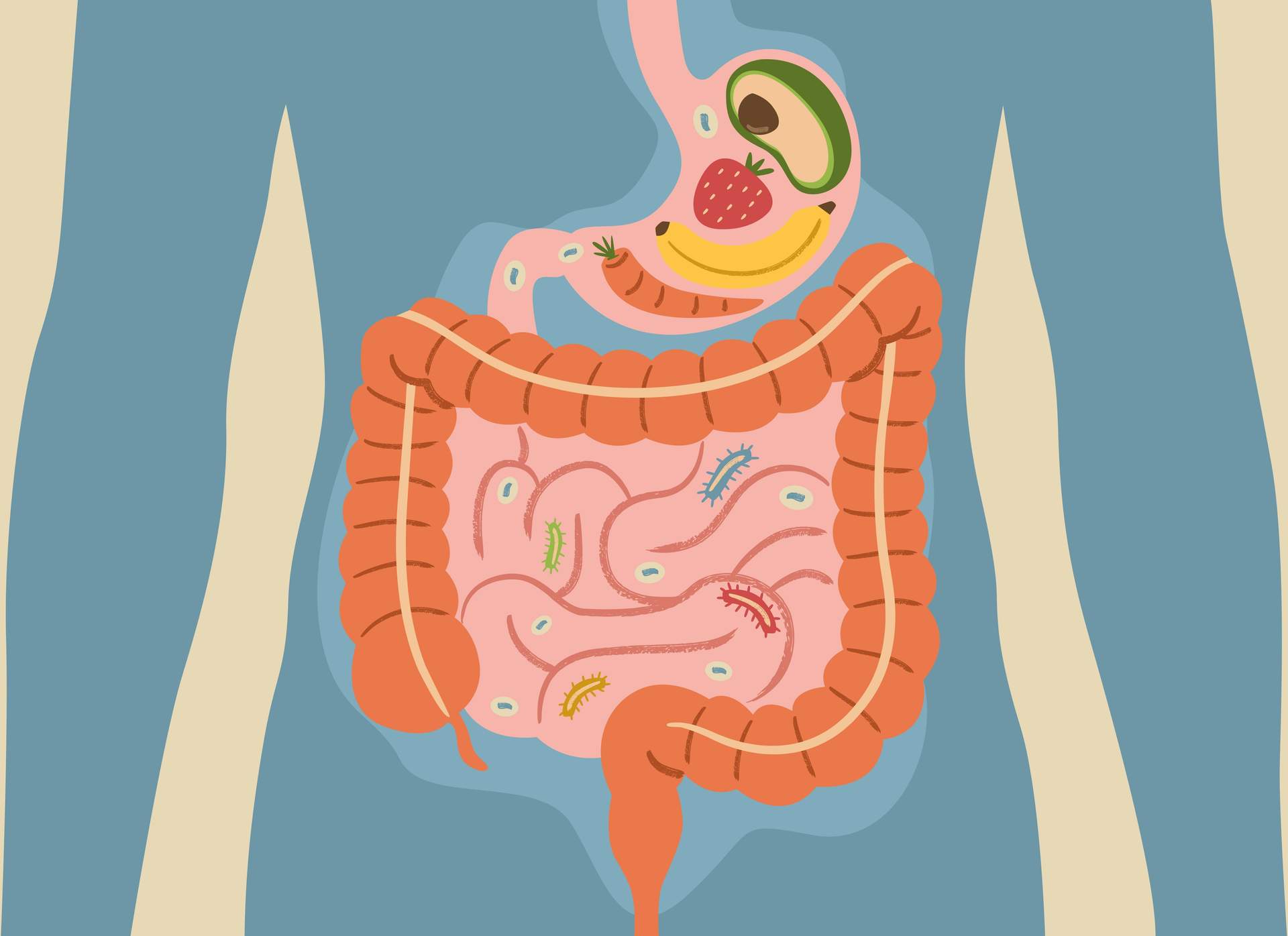
More than 100 trillion microorganisms live in our intestines, and this gut microbiome is responsible for, among other things, nutrient absorption, inflammation regulation, hormone production, and even influencing our mood. However, antibiotics can destroy not only the bacteria causing illness but also these beneficial strains, disrupting the delicate balance of the gut flora. This can result in bloating, diarrhea, constipation, skin symptoms, mood swings – and in the long term, even hormonal disorders or reduced immune response.
What you can do today to rebuild your gut flora after an antibiotic course
Probiotics in abundance
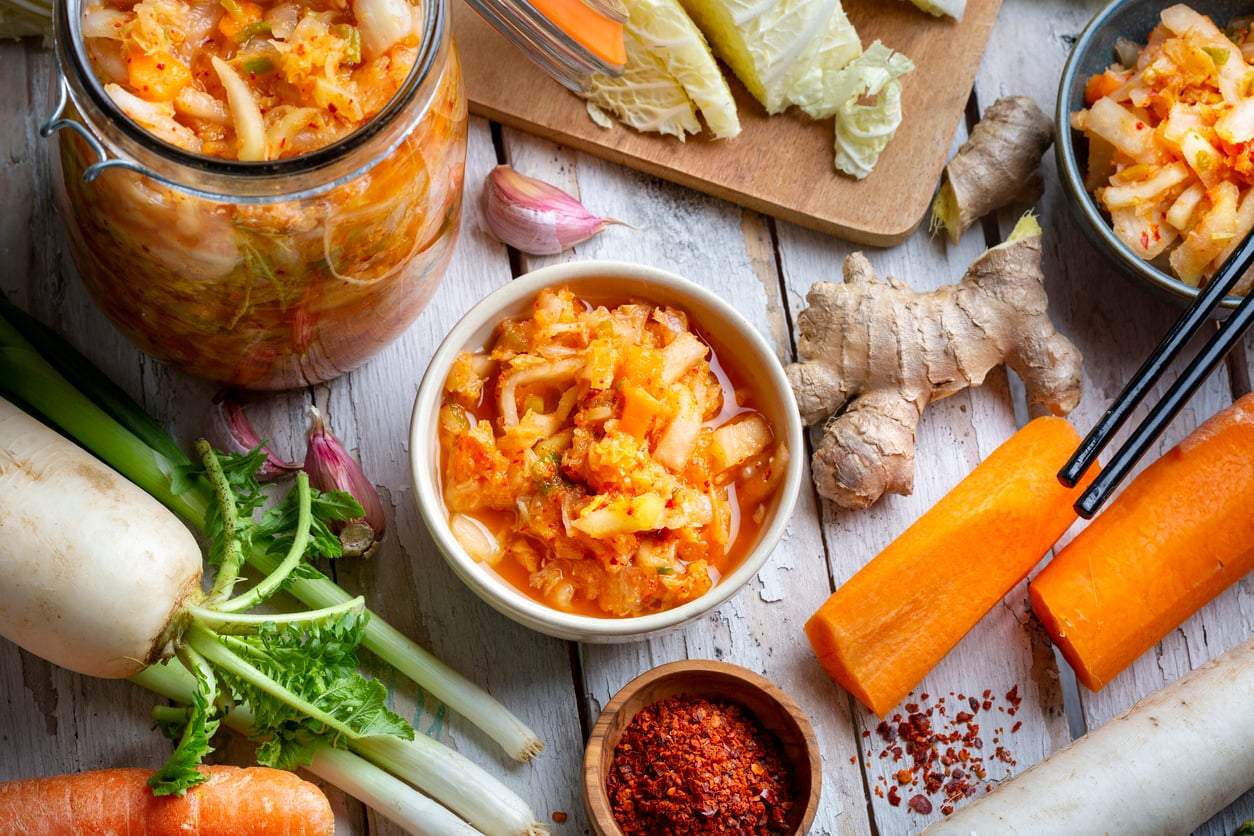
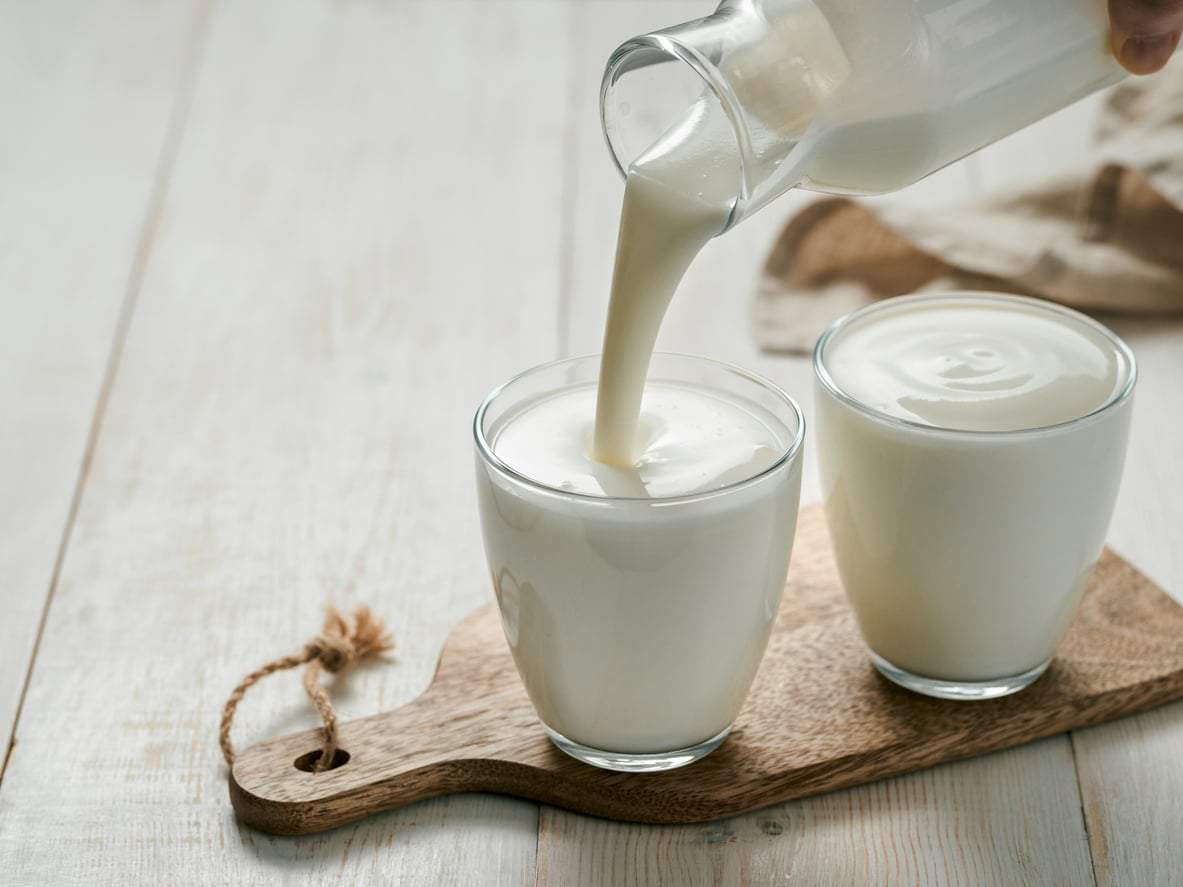
The most straightforward step is to take a quality probiotic containing multiple strains – preferably already during the antibiotic treatment (timed a few hours after the current tablet). But even more important is to include live-culture foods on your plate: fermented vegetables (e.g., sauerkraut, fermented cucumber, kimchi), plant-based yogurts, and also crystal mushrooms, kombucha – these are truly worth their weight in gold!
Prebiotic fibers – the food for your live flora
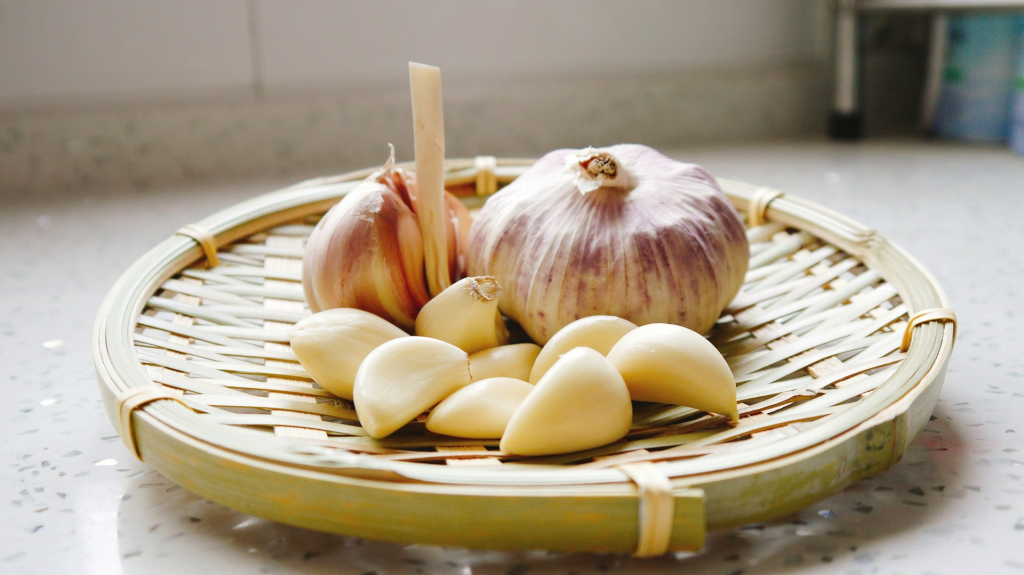
Good bacteria are hungry too – specifically for fibers! Prebiotic fibers help them multiply and strengthen. They are especially rich in alliums, leeks, garlic, but also asparagus, Jerusalem artichoke, and oats, so it is worth regularly including these on your plate, both fresh and cooked.
Why choose a plant-based diet?
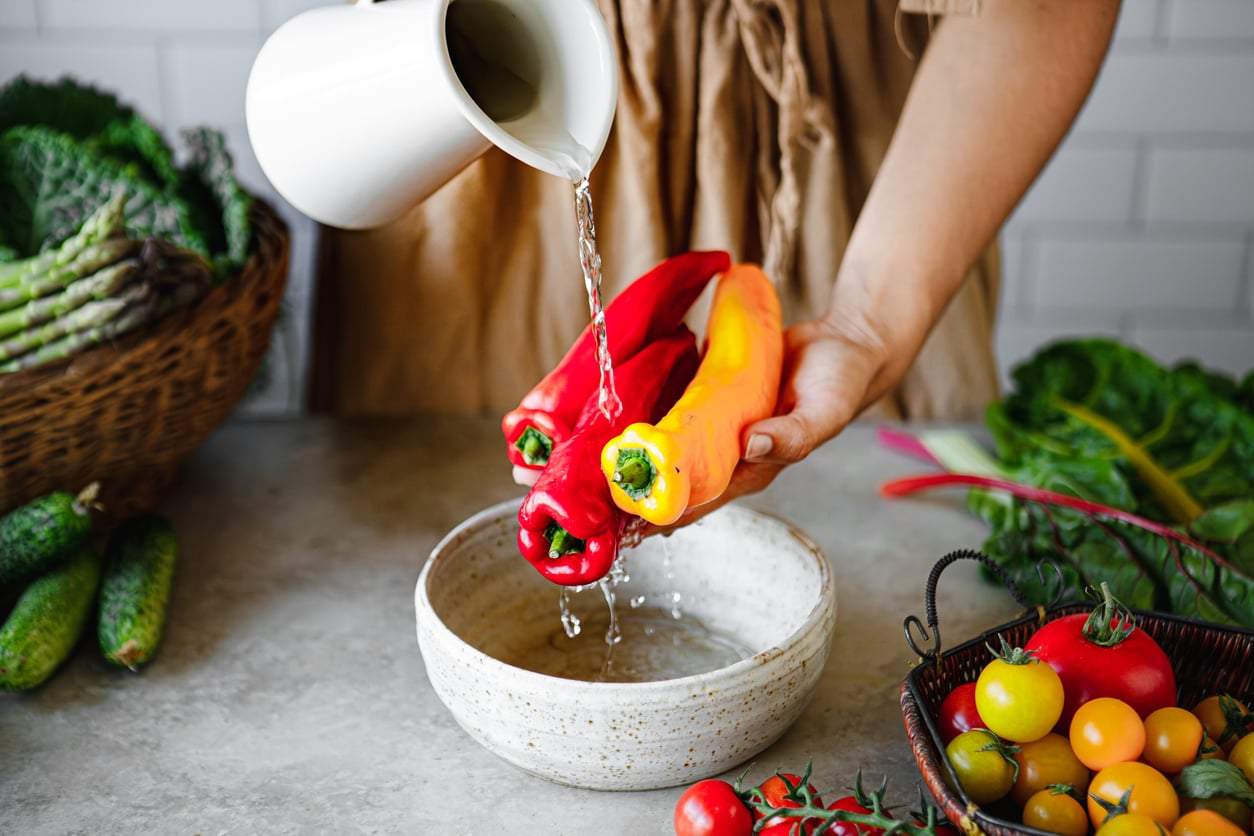
A plant-based diet alone supports the gut flora. Vegetables, fruits, legumes, and whole grains are not only rich in fiber but also contain abundant phytonutrients and antioxidants. These substances help reduce inflammation and support cell regeneration.
Fun fact: according to a 2021 study, just 3-5 days of a plant-based diet can induce measurable positive changes in your microbiome composition!
This is partly because with a whole-food plant-based diet, we easily consume two to three times the recommended minimum fiber intake. Fibers are absent in animal products – and barely present in processed foods. The logical conclusion: more fiber can support your microbiome's rebuilding faster and more balanced.
What should you avoid?
Compared to whole, natural ingredients, added sugars, refined flours, and overly heavy, fatty (or fried in fat) dishes not only provide empty calories but also reduce the survival chances of beneficial bacteria.
Similarly, it is worth limiting alcohol, artificial sweeteners, and excessive caffeine at least until your gut flora regains strength.
The microbiome is like a garden: if you regularly tend, nourish, and care for it, it will bloom beautifully and function harmoniously even if pests occasionally appear. But if neglected, weeds will proliferate, and you'll find you have no control over the invaders.
After an antibiotic course, it is especially important to consciously support this sensitive ecosystem! Unfortunately, change does not happen overnight, but with every nutrient-rich meal, fiber-rich smoothie, fermented delicacy, and ample sleep, you take a step toward your balance.