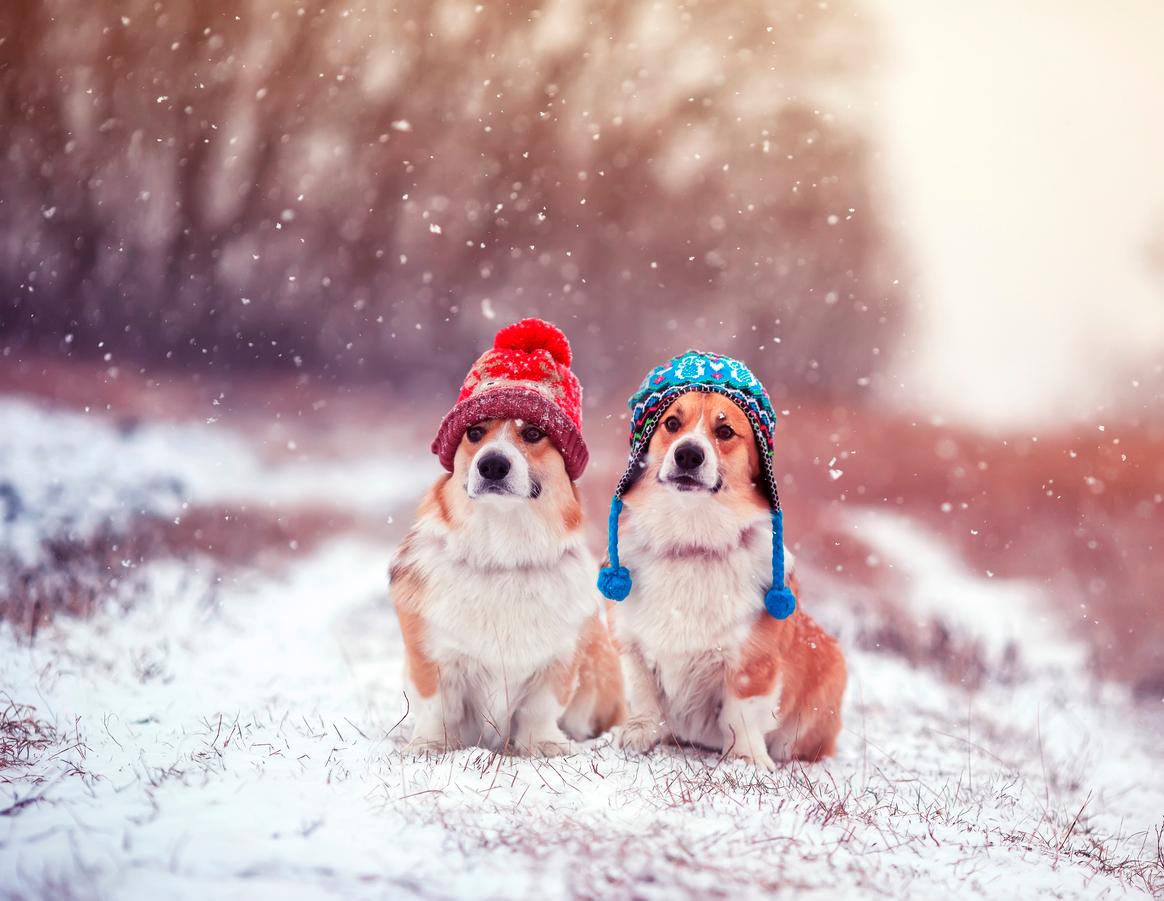
Can our dogs really get cold paws when we take them out in the winter chill? Let’s hear what the experts say and learn how to protect our dogs from the cold’s effects!
Vulnerable Paws in the Cold
A dog’s paws, especially their pads, are super sensitive to the environment. Even though paws have thick skin and cushions, cold, ice, and snow can cause serious damage. Dr. Jane Doe, a trusted veterinarian, points out that icy surfaces may contain harmful chemicals and that icy water can lead to frostbite.
Even short walks can cause irritation, cracked paw hair, or infections if we don’t take proper precautions.
Substances like salt or ice-melting chemicals pose extra risks—they can irritate paws or be harmful if your dog licks them off.
Which Breeds Are Especially Sensitive?
Certain breeds are more sensitive to cold. Smaller dogs with less body fat, short or dense coats—like Chihuahuas, Yorkshire Terriers, and Dobermans—cool down faster. Dogs without undercoats also need extra care since they retain less body heat.
For these pups, consider paw protection. Soft, water-resistant boots shield against frostbite and irritation. Dogs might feel strange at first, but for longer walks, comfort and safety are worth it.
The Importance of Proper Clothing and Warmth
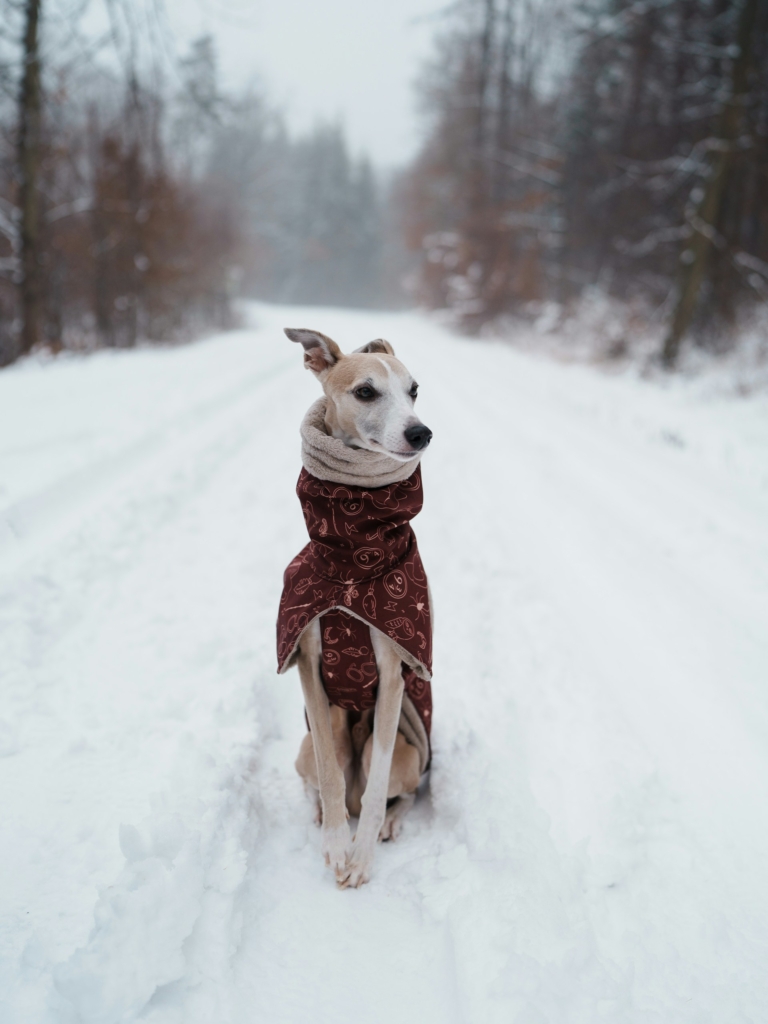
Good clothing isn’t just for us—it’s essential for our pets outdoors too. Dr. Doe recommends waterproof, windproof gear that fits well and doesn’t restrict movement. Make sure dog clothes aren’t too tight, as that can limit movement and cause frostbite spots. Also, keep them moving to help maintain body heat.
Tips for After-Walk Care
After walks, it’s key to care for your furry friend. Gently but thoroughly wipe their paws to remove ice chunks, salt, and dirt. Use a special paw balm to hydrate and protect against dryness and cracking.
If you notice any skin changes or irritation, see a vet—small issues can quickly get worse.
How to Make Winter Walks Safe?
Homemade or store-bought warm boots and coats are great for protecting your dog from the cold. Look for natural materials and always check that the gear fits properly.
Watch your dog’s behavior closely. Shivering, avoiding cold surfaces, or lifting paws can signal they’re too cold. In these cases, opt for shorter walks or take more breaks to help them warm up.
Winter walks can be joyful for dogs when we prepare them right. Caring for their health protects them not just from the cold but also from harmful chemicals around them. A little extra care goes a long way in keeping their spirits bright all winter long.