Do Nothing

Talk Less, Ask More!

Watch Their Social Life!

Let Them Play—A Lot!


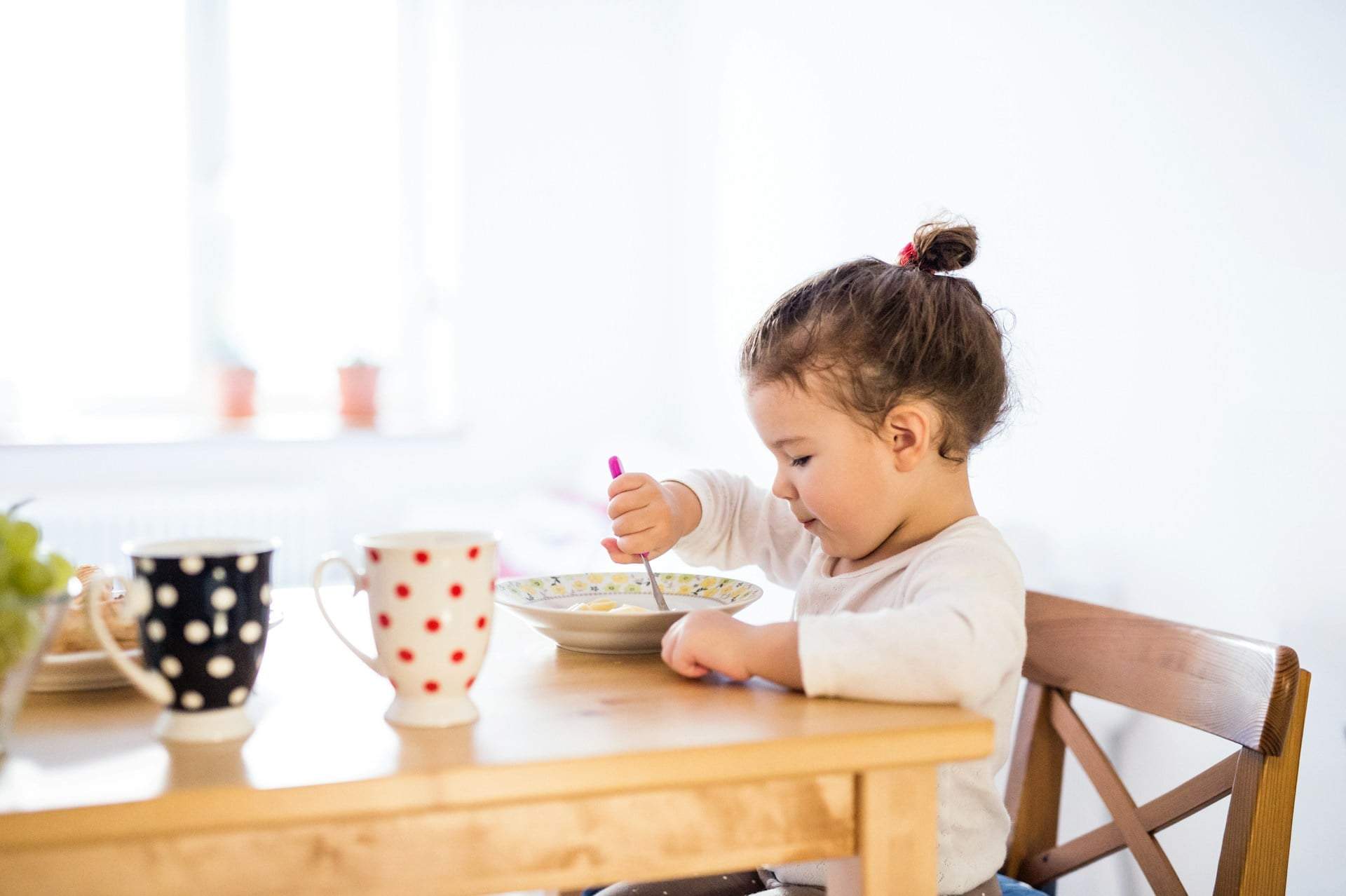
Most grandmothers would never mean to cause harm — but a single throwaway remark can quietly shape the way a child sees themselves for decades.

Many mothers know the fog of "mommy brain" — the forgetfulness and scattered focus. But research says motherhood doesn't make you less intelligent at all.
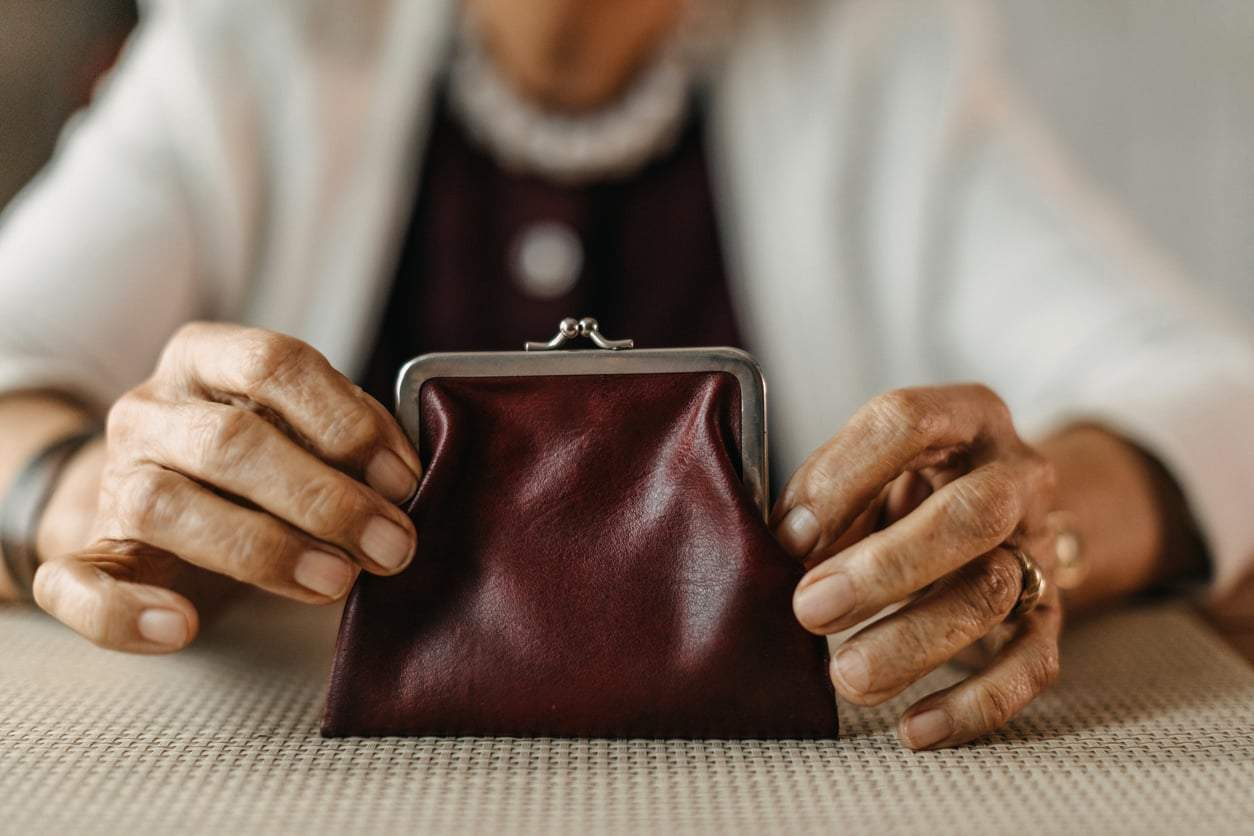
You earn more than your grandparents ever dreamed of, yet your stomach still knots when you check your balance. Here's the inherited reason behind that fear.

It sounds strange, maybe even cruel. But in my story the trauma was never the divorce — it was all the years my parents stayed together before it.

Every parent wants to believe their child is unique, with a special gift no one else has. It used to be a big deal if a child started school already knowing how to read. Today, countless kids are seen as talented. Since public education only lightly touches on this, the truly gifted child might not always get the chance to shine…

Back-to-school season kicks off for us in early August. We pull out the required reading, tidy up the desks, and pick up the essentials from the stationery store. But that’s just the tip of the iceberg: organizing my kids’ stuff isn’t quite the same as mine. It’s tricky to tell what’s missing, what’s broken, and what can still last another year.

Three adoptees share their deeply personal stories of searching for their biological families — and what happened when they finally found them.

Sometimes two people cross paths years before they ever officially meet. These three real stories will make you wonder how long fate had been quietly at work.

At eight years old, she was sure her mother had stopped loving her. The real reason she was sent to her grandmother's only came out years later — and changed everything.

We have a perfectly normal relationship. No drama, no falling out. So why don't I want my parents at my wedding? Here's the honest answer.
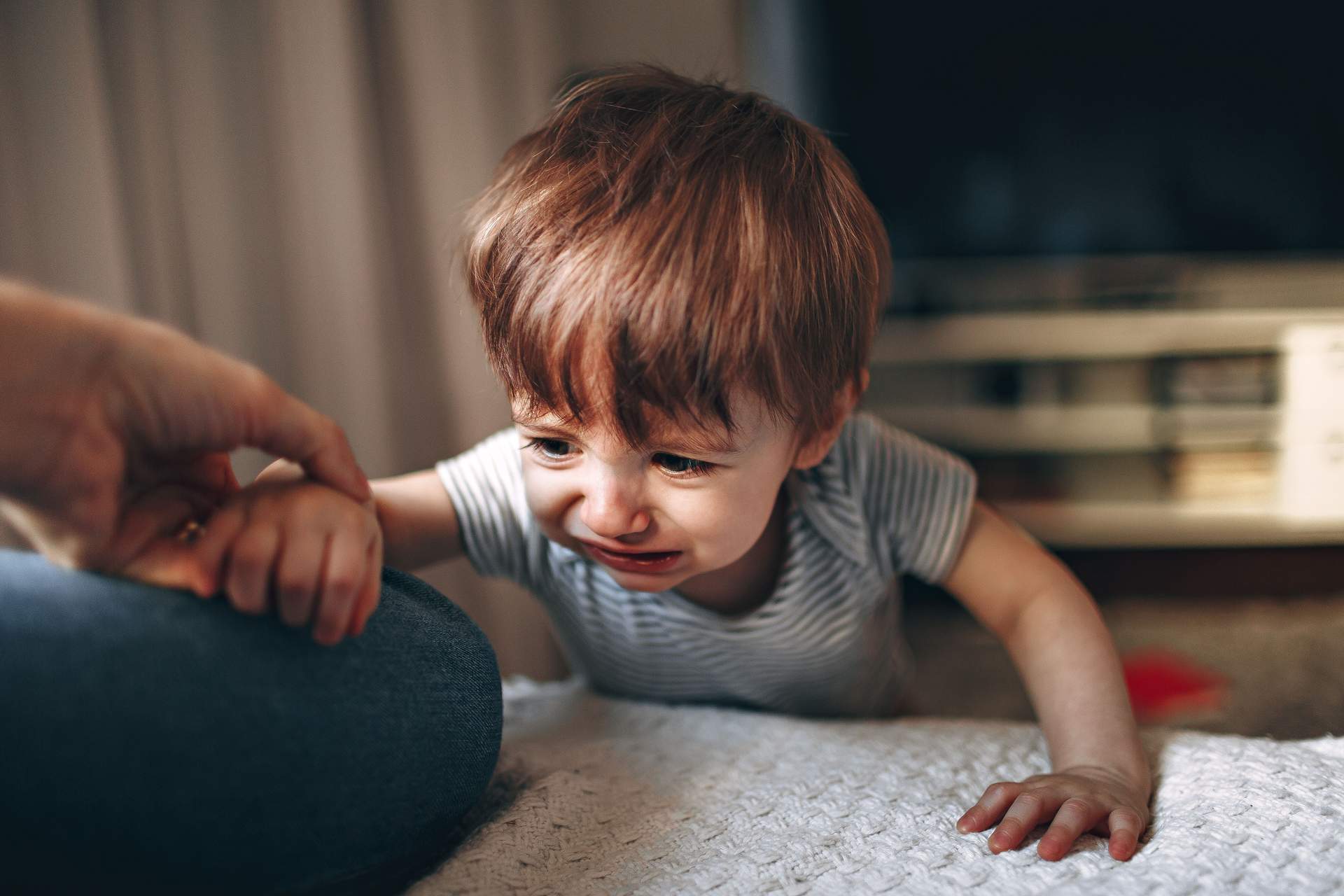
It's one of the most common things parents say — well-meaning, everyday, and said dozens of times a week. But child psychologists say it causes real harm.
Most grandmothers would never mean to cause harm — but a single throwaway remark can quietly shape the way a child sees themselves for decades.