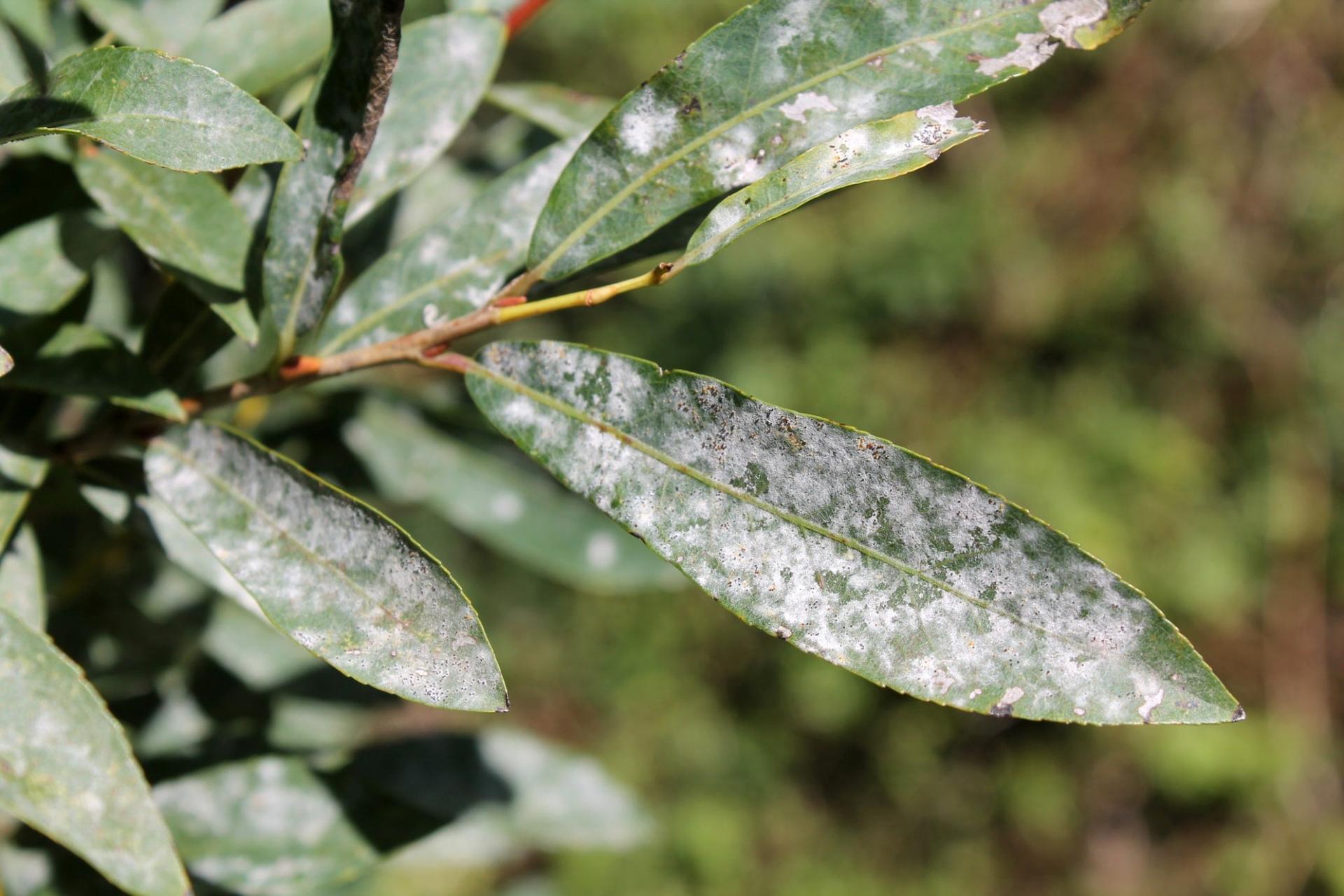
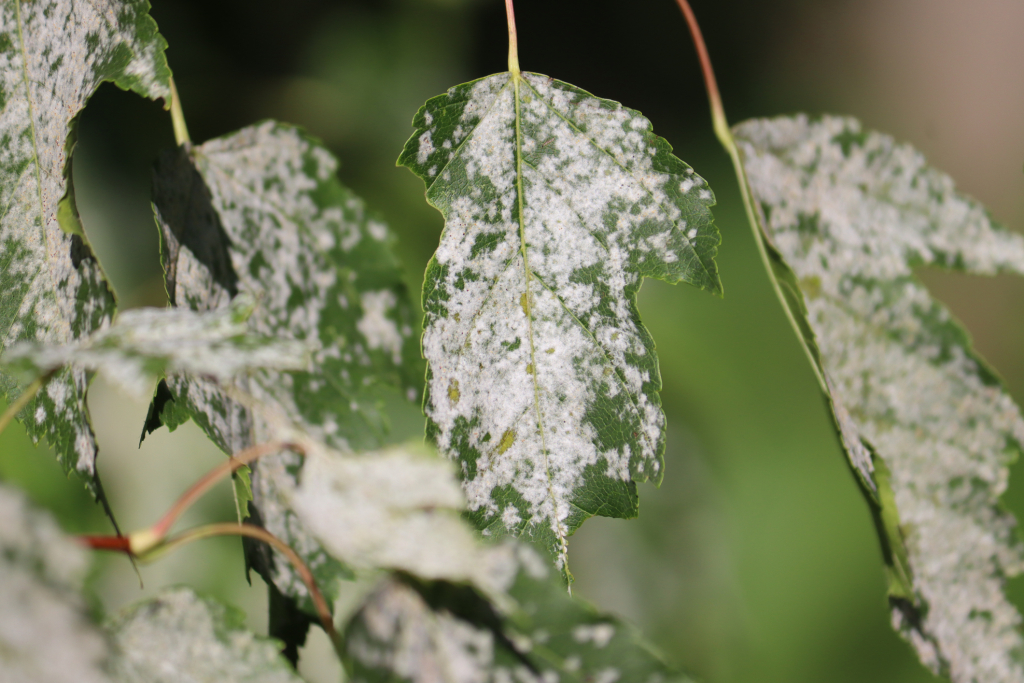
The world of gardening undoubtedly offers a lot of joy to nature lovers, but we often face challenges as well. One of the most common problems, which even experienced gardeners are not spared from, is the appearance of powdery mildew. If tiny, powdery white spots appear on the leaves, stems, flowers, or fruits of your plants, it's worth paying attention, as you are likely dealing with powdery mildew.
How Can You Recognize Powdery Mildew?
The most noticeable symptom of powdery mildew is the white, powdery coating that appears on plants. This phenomenon caused by a mold fungus most commonly develops in warm, humid environments, making it especially dangerous during the summer months. Its primary targets are young leaves and shoots, which soon begin to yellow and then die off. The presence of powdery mildew is not just an aesthetic issue but can also hinder the plant's development.
What Causes Powdery Mildew?
Several factors can contribute to the development of powdery mildew, including high humidity and poor ventilation. Overwatering and inadequate nutrient supply can also promote the spread of the fungus. Certain plant species, such as roses, grapes, and apples, can be particularly susceptible to this disease. One of the main sources of powdery mildew infection is contact with infected plant parts.The treatment of powdery mildew
What Can You Do Against It?
The first step in combating powdery mildew is to remove the infected plant parts. It is important not to throw these parts into the compost, as the fungal spores can continue to multiply there. Biological fungicides made from natural ingredients provide an excellent solution and are gentle on the environment. Vinegar water or tea tree oil can also be effective alternatives.
Prevention Strategies
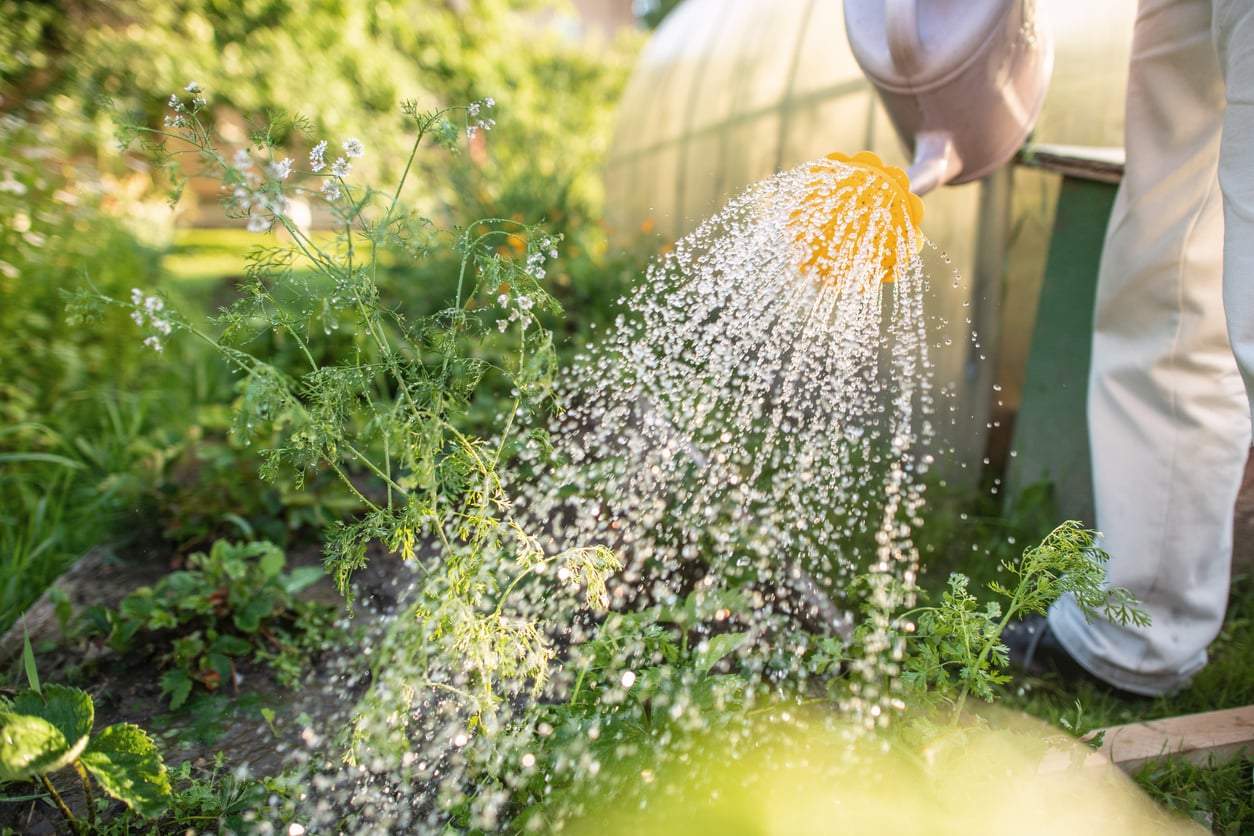
To prevent powdery mildew, strive to ensure proper ventilation, especially for densely growing plants. Be careful not to overwater the plants and regularly remove fallen leaves and other plant debris that favor fungal growth. Choose resistant plant varieties and use mulch to regulate soil moisture and inhibit spore spread.
What Effect Does Powdery Mildew Have on Plants?
Powdery mildew not only diminishes the aesthetic appearance of the plant but also significantly affects its growth and yield. Infected plants weaken and become less resistant to other diseases and pests. In fruit-bearing plants, powdery mildew can reduce both the quality and quantity of the fruit, potentially causing economic damage to the gardener.
One of the most important tasks when powdery mildew appears on your plants is to act quickly and decisively. Removing infected parts, applying appropriate treatments, and adhering to preventive measures can help protect the health of your plants and ensure their flourishing beauty in the long term. Remember that proper care not only helps avoid problems but also allows your garden to reach its full splendor.