You can water on schedule, feed the soil, and still end up with a disappointing harvest — and sometimes the real reason is hiding in plain sight. Certain plants simply don't get along.
The most common problem happens when two crops planted too close together start competing for the same nutrients. One tends to be the more dominant type, pulling food from the soil faster and more efficiently, while the other slowly weakens from what it's missing.
Here are seven vegetable pairings that are better kept apart in your garden.
1. Tomatoes and potatoes
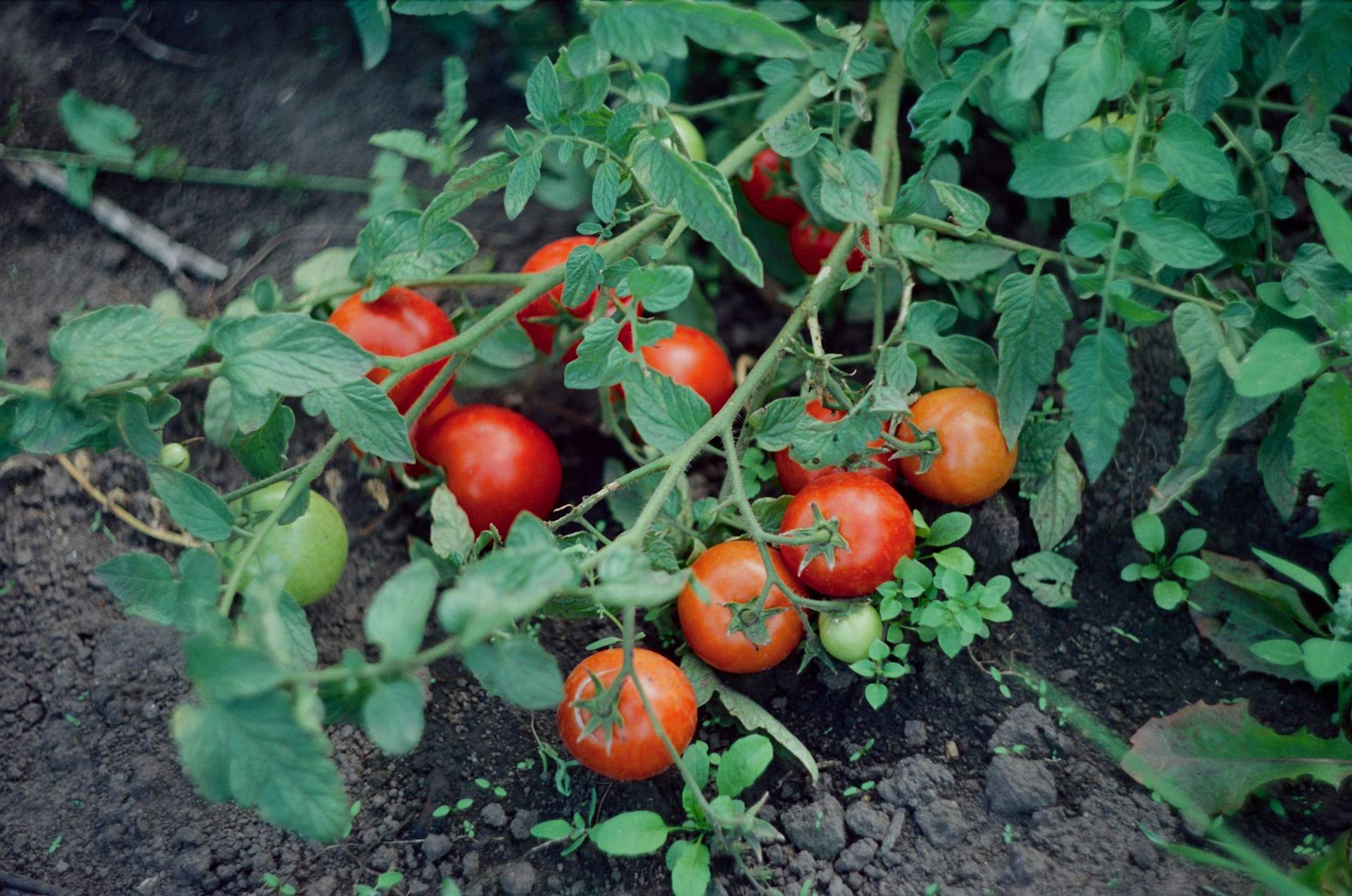
These two garden favorites might seem like natural neighbors, but they're actually rivals for the same nutrients in the soil — and they attract the same pests and diseases. Potatoes are especially prone to blight, which can quickly spread to tomatoes too, doing serious damage to both plants.
2. Cucumbers and strawberries
It sounds like an odd combination, and it turns out cucumbers and strawberries don't enjoy each other's company either. Strawberry roots are heavy feeders, drawing away much of what cucumbers need to grow — so neither ends up producing the harvest you hoped for.
3. Onions and beans
This pairing runs into trouble because of the way each plant grows. Onions have a fast-spreading, aggressive root system that can crowd out the thinner, more delicate roots of beans, blocking their access to the water and nutrients they need to thrive.
If you're planning your beds this spring, it's worth taking a little time to learn which crops actually help each other grow before you put anything in the ground.
4. Cabbage and grapes
Members of the cabbage family generally crave rich soil and plenty of moisture — conditions that can actually hold grapes back. On top of that, cabbage pests can spread to grapevines, causing real damage to your vines.
5. Celery and corn
Celery and corn make poor partners because of their similar nutrient demands. Corn grows fast and pulls large amounts of food from the soil, and its strong roots are far more competitive than celery's sensitive ones — so celery usually suffers when the two share a bed.
6. Parsley and lettuce
Parsley and lettuce are often planted together in the same bed, but it doesn't always work out well. Parsley's root system develops rapidly and can overpower lettuce's shallow roots, stunting its growth and cutting off the nutrients it needs.
7. Sunflowers and potatoes
Sunflower roots release allelochemicals — natural compounds that actively slow down potato growth. As lovely as they might look side by side, it's best to keep sunflowers well away from your potato patch.
The secret to good companion planting really comes down to one thing: getting to know your plants and what each one needs. Pay attention to these small details, and your garden will grow in balance — healthy, thriving, and full of life.
Why do some vegetables grow badly next to each other?
Usually because they compete for the same nutrients and water in the soil. The more dominant plant takes what it needs faster, leaving its neighbor undernourished and weak.
Can neighboring plants really share pests and diseases?
Yes. Tomatoes and potatoes, for example, are prone to the same blight, and cabbage pests can spread to grapevines — so a problem on one plant can quickly become a problem for both.
What are allelochemicals?
They're natural compounds that some plants release from their roots. Sunflowers produce them, and they can actively slow the growth of nearby potatoes, which is why the two shouldn't be planted close together.
How can I avoid bad plant pairings in my garden?
Take the time to learn each plant's growth habits and nutrient needs before planting. When you match plants thoughtfully, your garden stays balanced and produces a healthier, more generous harvest.