What if one of the most effective stress-relief tools costs nothing, requires no equipment, and has been available your entire life? Spending time without clothes — whether alone at home, in nature, or in a social setting — has real, measurable effects on how your brain and body feel. And most people have never given it a second thought.
The hidden stress of getting dressed every morning
It starts before you've even had your coffee. You open the wardrobe, stare at your options, and somehow still feel like you have nothing to wear. That low-grade morning frustration is more draining than it seems — and it follows you through the day in the form of waistbands that dig in, fabrics that scratch, and clothes that never quite feel right.
Nudity removes that entire equation. There's no wrong choice, no uncomfortable fit, no fabric irritating your skin by midday. The body gets to simply breathe. Research into stress and self-perception suggests that removing clothing in a safe, relaxed environment can meaningfully lower cortisol levels and create a genuine sense of mental relief — not just physical comfort.
Your skin talks to your brain — and it has a lot to say
The skin is the largest organ in the human body, and it's far more than a protective barrier. It's a sensory interface — constantly feeding information to the brain about temperature, texture, pressure, and movement. When that skin is covered all day by layers of fabric, a huge portion of that input is muffled.
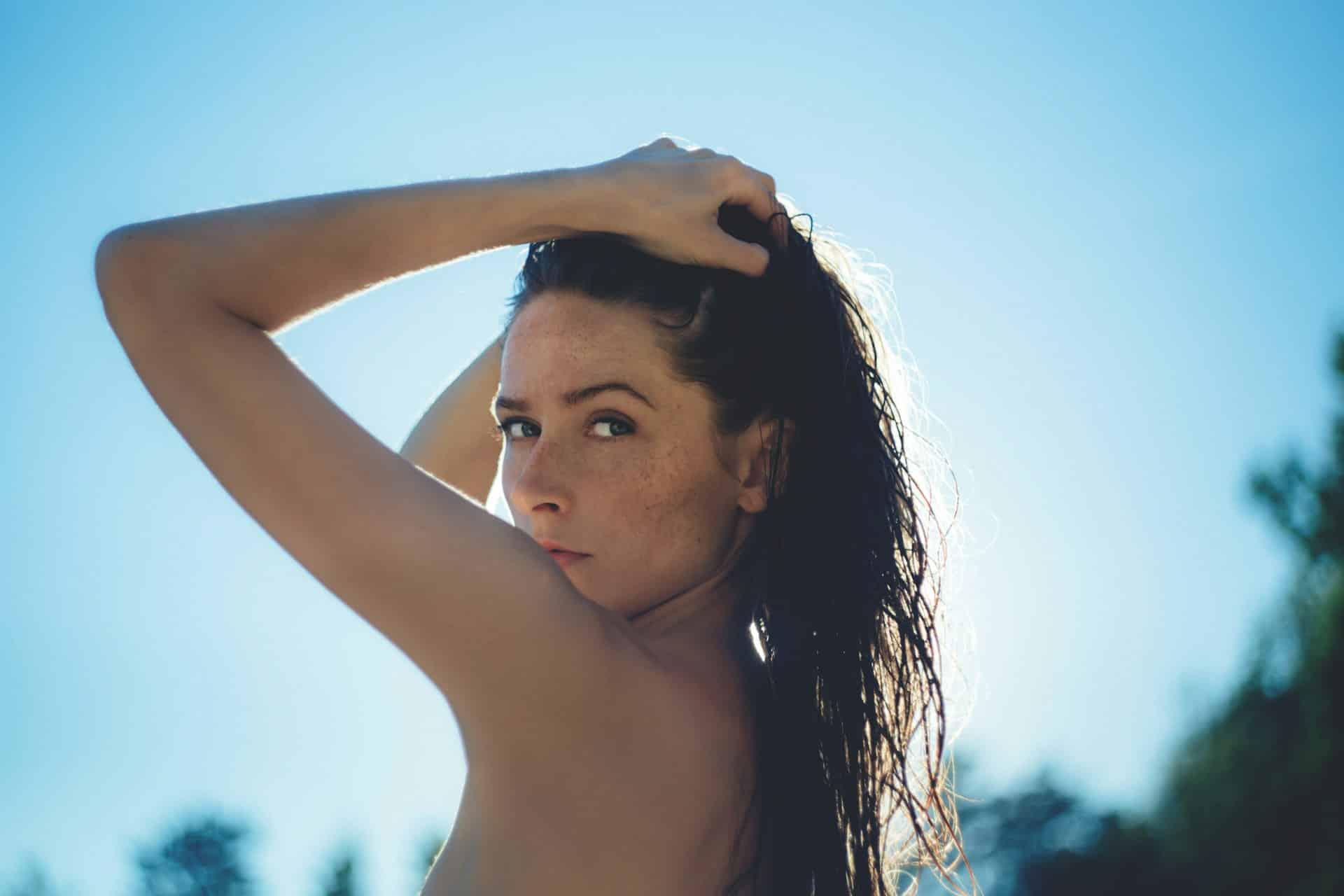
When you're nude and your skin makes direct contact with fresh air, sunlight, water, or even a gentle breeze, the brain receives a richer stream of sensory data. That stimulation doesn't just feel pleasant — it actively engages neural pathways linked to alertness, creativity, and mental clarity. Many people who practice regular nudism report feeling more present, more focused, and more in tune with their surroundings. The neuroscience backs this up: novel sensory input keeps the brain engaged and can improve both concentration and emotional balance over time.
It can ease anxiety and quietly rebuild your confidence
Most of us carry some version of body insecurity. It's almost impossible not to, given the constant stream of idealized images we're exposed to. Clothes can feel like armor — protective, but also a way of hiding. Nudity strips away that armor, and with it, often some of the anxiety attached to how we look.
Studies on naturism and body image consistently show that people who spend time nude — especially in social or outdoor settings — report higher body satisfaction and lower levels of appearance-related anxiety. The logic is straightforward: when you stop hiding your body, you gradually stop seeing it as something that needs to be hidden. That shift in perspective can have a lasting effect on self-esteem and self-acceptance that goes well beyond the moment itself.
If body confidence is something you actively work on, it's worth exploring how your relationship with your own reflection plays into the bigger picture of your mental wellbeing.
The surprising social side of nudity
Shared nudity — in naturist settings, skinny dipping with friends, or communal spa culture — creates an unexpected social dynamic. When everyone is equally exposed, the usual social signals disappear. Status markers like designer labels or polished outfits no longer apply. What's left is just people, unfiltered.
This tends to produce a striking effect: conversations feel more honest, connections feel more genuine, and the social anxiety that often accompanies group settings tends to ease. Naturist communities frequently describe a sense of equality and openness that's hard to replicate in clothed social environments. It's not about the nudity itself — it's about what happens when the usual barriers come down.
More than just skin deep
Nudity isn't simply a physical state. At its best, it's a form of mental and emotional release — a way of stepping outside the performance of everyday life and reconnecting with something more fundamental. Whether it's a few quiet minutes at home, an afternoon in nature, or a visit to a naturist beach, the benefits are real: less stress, stronger self-acceptance, sharper senses, and more authentic connection — both with yourself and with others.
Sometimes the simplest things turn out to be the most powerful.