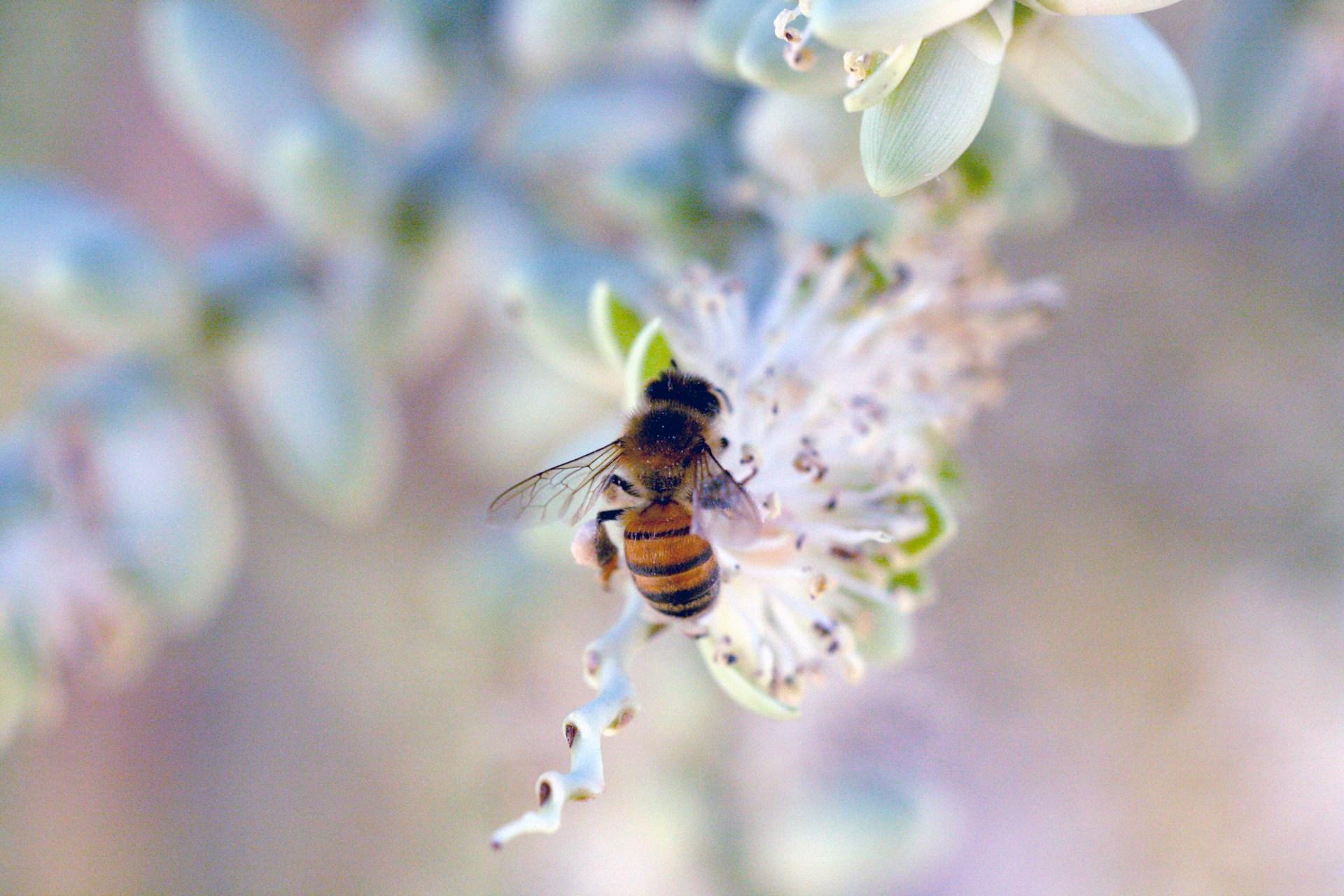
Bees play an essential role in nature and our daily lives. Beyond producing honey, these busy little insects help reduce atmospheric carbon dioxide and maintain natural balance. By collecting nectar and pollen during blooming seasons, bees feed themselves while pollinating plants—a process crucial for fruit and seed development, and indirectly supporting much of our agriculture.
Why Create a Bee-Friendly Garden?
Designing a bee-friendly garden supports wildlife and boosts your own healthy lifestyle and the beauty of your surroundings. Fruits from bee-pollinated plants are packed with vitamins and minerals, forming the foundation of our nutrition. A garden full of flowers delights the eyes, soothes the soul, reduces stress, and invites more joyful outdoor moments.
Lavender
Lavender is one of the most popular bee-friendly plants. Its aromatic purple flowers attract not only bees but also us with their enchanting scent. It’s drought-tolerant and easy to grow, requiring little care, and adds a refreshing touch anywhere in your garden.
Sunflower
Sunflowers are another fantastic choice, with their impressive height and bright yellow blooms that attract bees. Though they need a bit more space, sunflowers are easy to care for and bring vibrant color to your garden.
Sage
Sage is a versatile herb that’s useful in the kitchen and highly attractive to bees. Its small, fragrant flowers brighten any garden, and the nectar it produces is a real treat for bees.
Thyme
Thyme is another fragrant herb that easily lures bees. Its small purple flowers produce abundant nectar, especially attracting bees on long, sunny afternoons. Plus, it’s a handy ingredient in the kitchen.
Mint
Mint’s fragrant leaves offer a unique garden experience, while its tiny flowers are especially appealing to bees. This plant spreads quickly, making it perfect for shadier garden spots, and it’s also great for cooking.
Echinacea (Purple Coneflower)
Echinacea, also known as purple coneflower, captivates with its large, deep purple blooms. It attracts not only bees but butterflies too, making it a real showstopper in your garden. With regular care, it can bloom for multiple seasons, adding long-lasting beauty to your yard.
The plants listed here boost environmental biodiversity, support the foundation of food production, and importantly, help bees survive in a world full of challenges. Creating a bee-friendly garden is simple and rewards you not only with nature’s gratitude but also with your own joy and well-being.