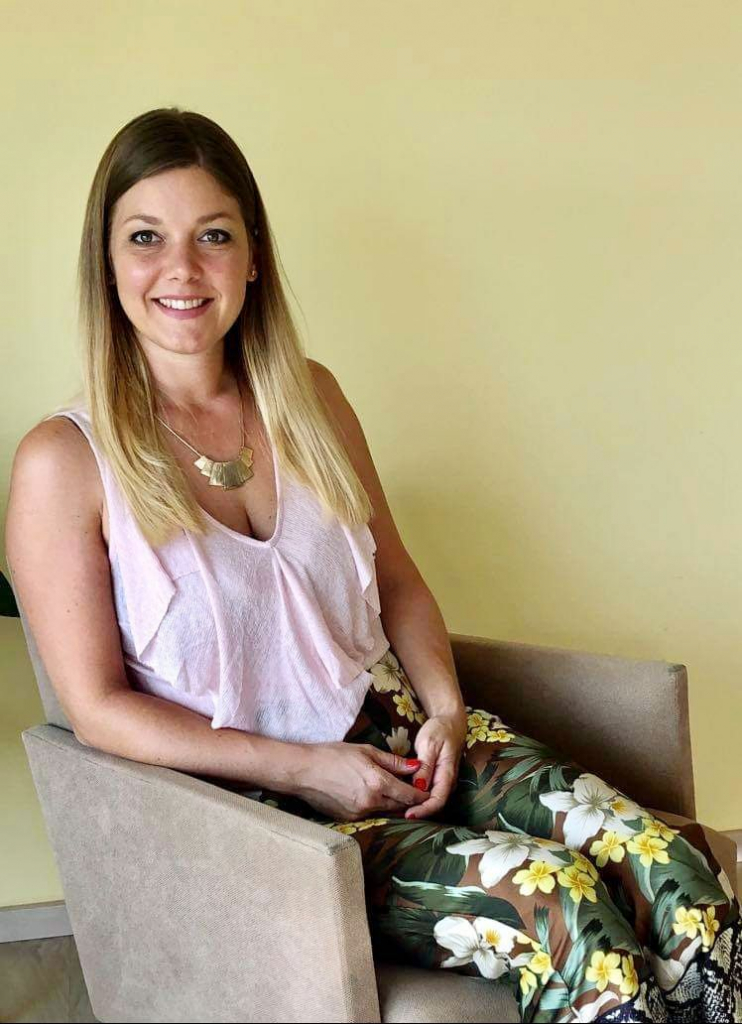
"Absolutely, it can and does exist. From my experience, most people remember their preschool or elementary school crushes. I do too, even who was in love with me. These first loves become part of our identity. They’re like little identity seeds—small but important feelings that grow within us over time until we reach the age when love also blossoms with sexuality." – says psychologist, coach, and mediator Zsófia Mirk.
Emotional Intelligence – A Lifelong Learning
Our expert explains, "Love is a feeling beyond our control—whether as children or adults. The instinctive attraction is a core part of love that we can’t choose. How we express it, or whether we express it at all, is learned, chosen, and manageable behavior. We continuously learn to regulate our emotions, which is a key part of emotional intelligence (EQ). This process starts in infancy, through parental examples and care."
A child’s emotional and love relationships are deeply shaped by how their parents relate to each other—their feelings and how they express and convey them to the child. This emotional world travels with the child into their future relationships.
Dad, You’ll Be My Husband!
When my daughters were about 4-5 years old, their adoration for dad flared up. Both wanted dad to marry them, while I was just there—though it was okay if I wasn’t.
"Around ages 3-6, children enter a stage in their psychosexual development where boys typically want exclusive attention from their mothers, wishing to 'marry her,' while girls want their fathers to 'marry them,' hoping the other parent steps back. This unconscious desire is called the Oedipus complex in boys and the Electra complex in girls."
"It’s helpful for parents to understand that this behavior is temporary and a crucial part of normal development. Parents should consider this if they feel jealous of their same-sex child. It’s important for the child to accept and understand family roles—that mom and dad are partners, and the child is in a child’s role within the family. Talking openly at the child’s level while ensuring the child receives attention from the opposite-sex parent is key."
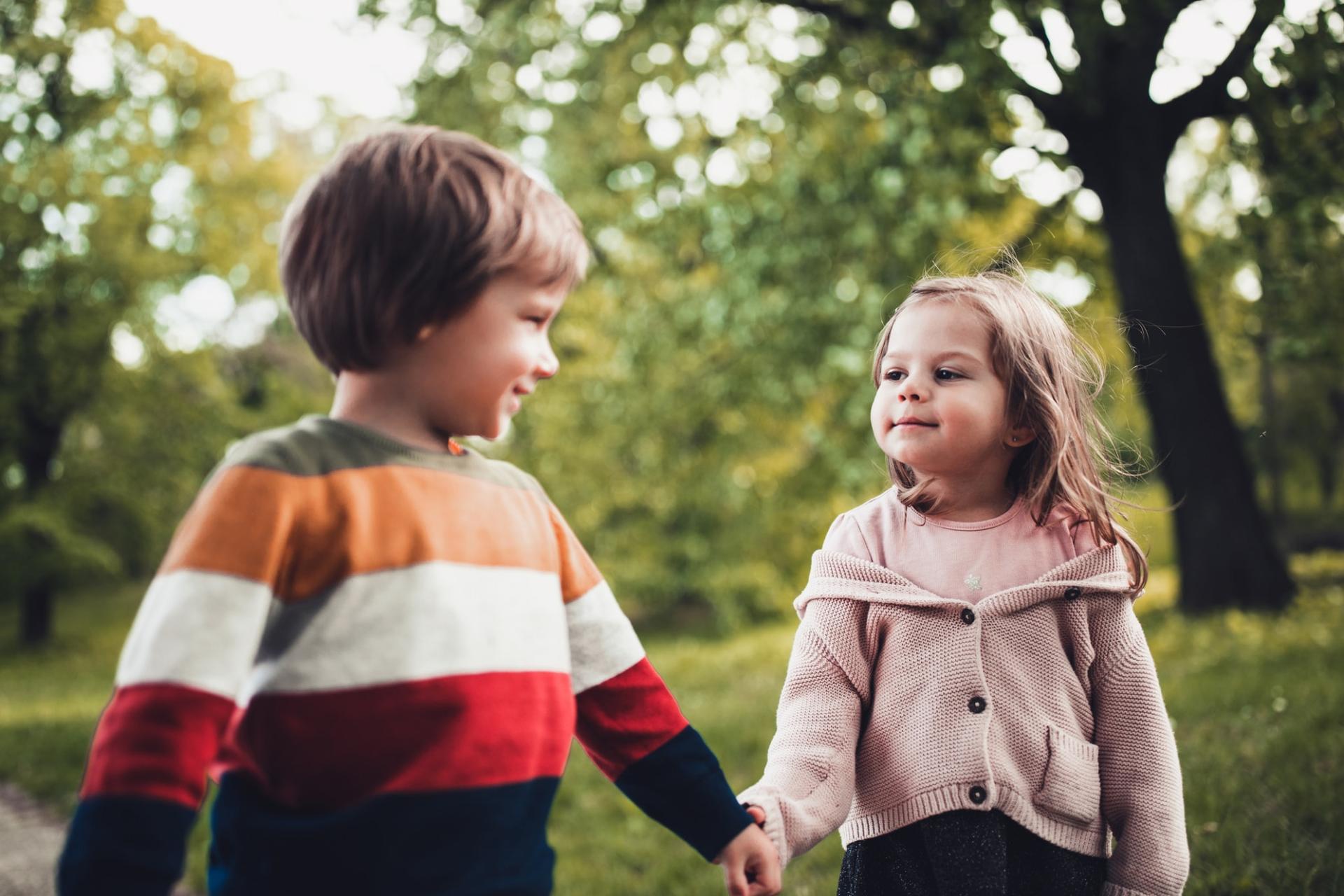
Preschool years overflow with feelings of love. By middle and senior preschool groups, peer attractions become quite noticeable in children’s lives.
They experience their first heartbreaks and unreturned love, as often their crush loves someone else. Even a small child’s heart can feel this.
"The foundation of childhood love lies in the attachment and loving relationships experienced within the family and parental examples. If a child forms secure attachments at home, they’re more likely to develop healthy attachment patterns in future relationships. This requires responsive, devoted parenting and a warm emotional atmosphere at home," says Zsófia Mirk.
Our Childhood Emotions Can Shape Us
We all remember our preschool and early school crushes. These feelings run deep and become part of who we are. However, the psychologist points out that these "are often unconscious. This is due to how memory works, allowing our brain to store new information. But if these experiences were emotionally significant, they will influence our personality development."
"For example, if our preschool love was a positive experience that brought joy in connection, we carry that imprint forward. This good memory boosts our self-confidence and self-awareness, helping us build future relationships. So, even unconscious early experiences shape how we see ourselves and our place in the world, influencing our later relationships."
Parents’ Role
As a mother, I believe it’s wonderful when a child experiences this amazing feeling. Emotional intelligence grows when we take our children’s feelings seriously and don’t dismiss them. "It’s worth acknowledging childhood loves with proper attention from parents—recognizing their legitimacy and talking with the child about their feelings," says the psychologist.
When to Seek Professional Help?
"It’s important to note that from conception, we are sexual beings. Even babies experience pleasure from genital stimulation, and some discover this very early. It’s common to see preschoolers masturbate, which should never be forbidden or shamed, as this can cause serious blocks in sexual development. If parents feel they can’t handle these situations with education and guidance, consulting a professional—even for one session—is recommended."
If a child shows excessive or age-inappropriate sexual behavior, definitely seek a psychologist’s opinion. First, consider if the child has access to inappropriate sexual content or if abuse might have occurred. Abuse often remains hidden but can cause serious physical and emotional symptoms. Unusual sexual play with peers can be a sign. If you notice this, it’s a signal to seek proper help without shame or blaming the child," says Zsófia Mirk.
Developing a Sense of Privacy
Psychologist Sharon Lamb and Professor Aleksandra Plocha studied what sexual behaviors in childhood deviate from normal. They outlined four key points:
- Sexual play without mutual consent.
- Sexual behavior that violates personal boundaries—one party feels uncomfortable, and the behavior seems "adult-like."
- Behavior harmful physically, socially, or psychologically.
- Repetitive, constant, or compulsive behavior.
These behaviors can be problematic not only in childhood but also in adolescence and adulthood. That’s why it’s crucial for parents and educators to help children develop a healthy sense of privacy. This is tricky because children shouldn’t feel shame about their bodies but must understand their bodies belong to them alone, and certain parts should not be touched by others.
"A sense of privacy usually develops by the end of preschool, around age six, but varies individually. From this age, nudity can cause embarrassment, making bathroom routines and shared bathing a bit challenging."
Parenting is often tough—we navigate carefully, striving to give our children the best childhood possible. Childhood love is part of this journey, and every parent should take it seriously to raise balanced, happy teens and adults open to relationships and others.