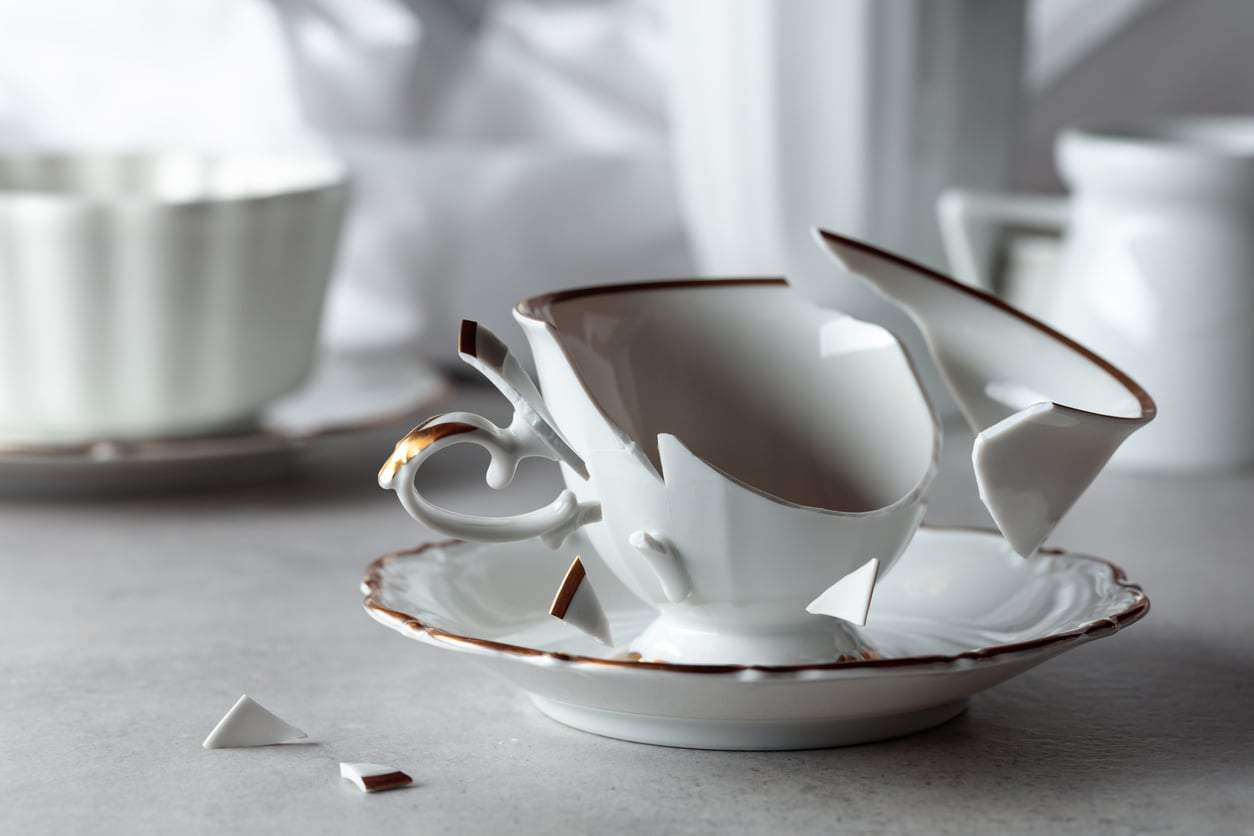
You walk into someone's home and within three seconds, something feels slightly off. It's not the furniture brand or the square footage — it's something smaller, something almost invisible. The details that nobody thinks to stage, because they're hiding in the places where attention naturally fades: the bathroom towel rail, the makeup table, the edge of a fingernail.
Real wealth isn't loud. And fake wealth, no matter how carefully curated, always leaves a few cracks. Here's where to look.
1. Cheap, worn-out home textiles
The living room looks immaculate. The kitchen counter gleams. Then you step into the bathroom and find a fraying, faded towel that clearly hasn't been replaced in years. That single contradiction tells you more than any designer handbag or statement watch ever could.
Bed linens, kitchen towels, bath mats — these are the things guests rarely scrutinize, which is exactly why they go unpolished in homes where the wealth is more performance than reality.
Where financial comfort is genuinely present, the bedroom and bathroom are refreshed just as naturally as everything else — because there's simply no reason not to.
A home where only the visible surfaces are maintained is a home where someone is working very hard to manage an impression.
2. Expired luxury makeup sitting on display
The vanity is lined with recognizable high-end brands — a well-known lipstick, a premium eyeshadow palette. But look closer and you'll notice they're the same pieces that have been there for years, cracked and dried out. That's not a beauty routine. That's a prop.
Genuinely consistent self-care habits are built on small, regular spending — a new mascara here, a replenished serum there. They're part of a daily routine, not a one-time statement purchase left on display to signal status. When luxury products become decorative rather than functional, the signal they send is the opposite of intended.
3. Neglected small details on the body
The designer bag is stunning. The blazer is freshly pressed. The shoes are new. But then someone glances down at chipped nails, or notices the hair hasn't seen a salon in months. Regular grooming — manicures, haircuts, dental care — is a recurring cost that no single flashy purchase can substitute for.
This is actually one of the most reliable signals of all. When the pattern doesn't add up — a brand-new bag paired with visibly neglected upkeep — the imbalance speaks for itself. Sustained financial comfort shows up in steady, quiet maintenance, not in occasional splurges.
4. Making a performance out of paying
There's a particular type of person who makes every payment a moment. The card comes out with a flourish, a comment is made about the price, or there's an elaborate explanation of why they chose this restaurant, this bottle, this item. Genuine financial ease is conspicuously quiet by comparison.
People who don't need to prove anything don't comment on the bill, don't draw attention to how they're paying, and don't wait for anyone to notice the gesture.
The over-ritualized payment moment reveals something specific: it matters to this person that others see them spending. That need to be witnessed is, by itself, a telling sign. When spending is truly natural and comfortable, it doesn't require an audience.
5. A kitchen that doesn't match the image
The kitchen is one of the most honest rooms in any home, precisely because people rarely think to stage it for guests. Open the fridge and find half-empty shelves, low-quality basics, missing fresh produce — and you've learned more about someone's real lifestyle than any statement piece in the living room could ever tell you.
Eating well consistently — fresh ingredients, quality staples, a well-stocked pantry — is an everyday luxury that simply can't be faked for a single dinner invitation. It's one of the areas where sustained financial comfort either reveals itself most clearly, or quietly unravels.
Put all five of these together and a simple logic emerges: impressive one-off gestures are easy to arrange, but quiet, ongoing consistency doesn't lie. The bathroom towel, the fridge contents, the state of someone's nails, the makeup table, the calm with which they pay a bill — taken together, these paint a far more accurate portrait of a person than any designer bag propped up in the corner.
Why do people fake wealth in the first place?
Psychologists point to social comparison and the desire to signal status within a peer group. When someone feels financial pressure, visible symbols of success can feel like a way to maintain respect or relationships — even if the substance isn't there.
Are these signs always reliable?
No single detail is conclusive on its own. Someone might have a worn towel simply because they forgot to replace it, or skip the salon during a busy period. It's the pattern across several areas — not one isolated observation — that paints a reliable picture.
What do truly wealthy people actually spend on?
As the article highlights, genuinely comfortable people tend to spend consistently on the unglamorous things: quality food, regular grooming, fresh home textiles. The spending is steady and quiet rather than dramatic and visible.
Can you fake financial security long-term?
It's very difficult to sustain over time. The ongoing, everyday details — the fridge, the bathroom, the nails — are the areas that slip first, because they require continuous spending rather than a single investment. That's precisely what makes them such reliable signals.