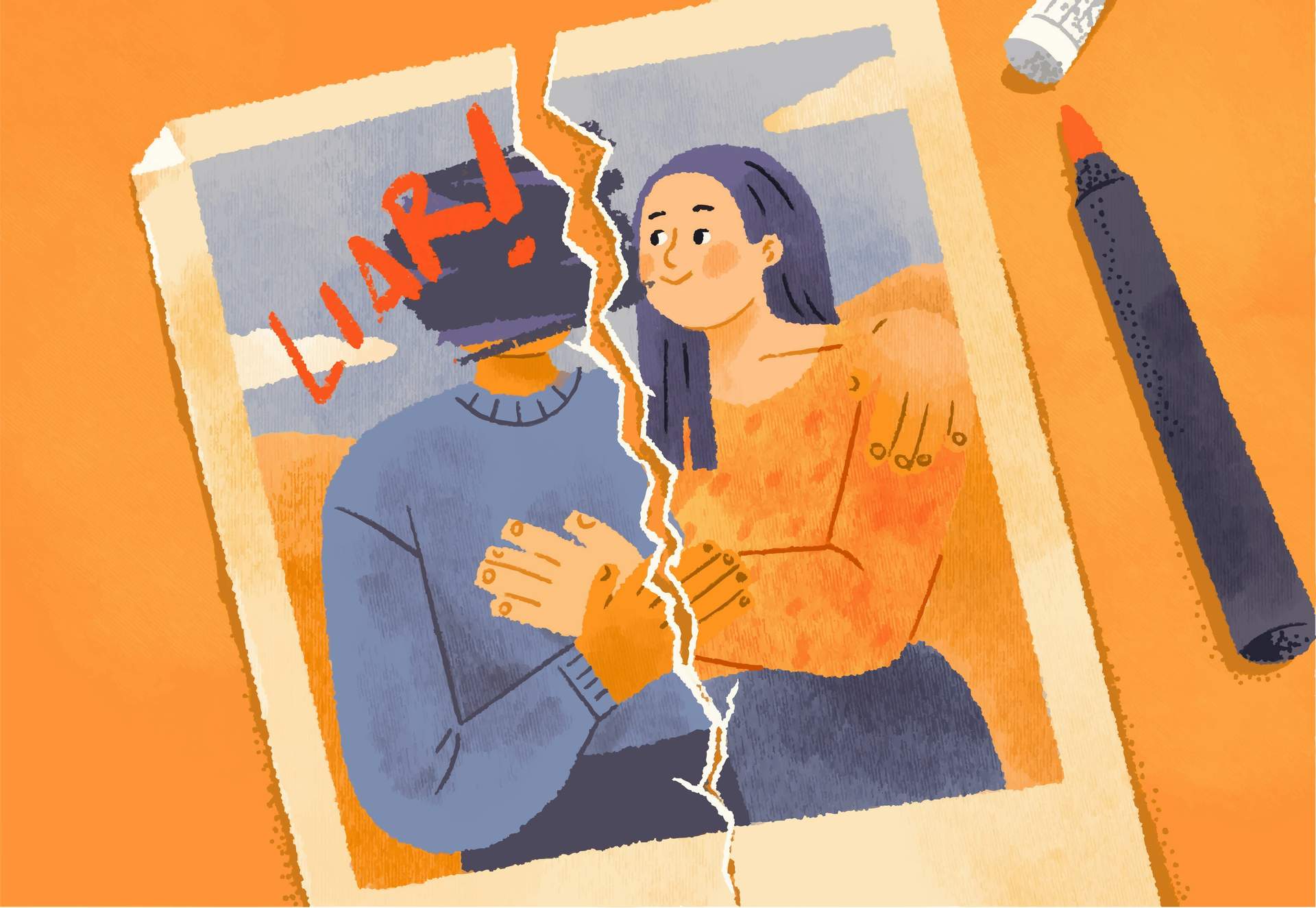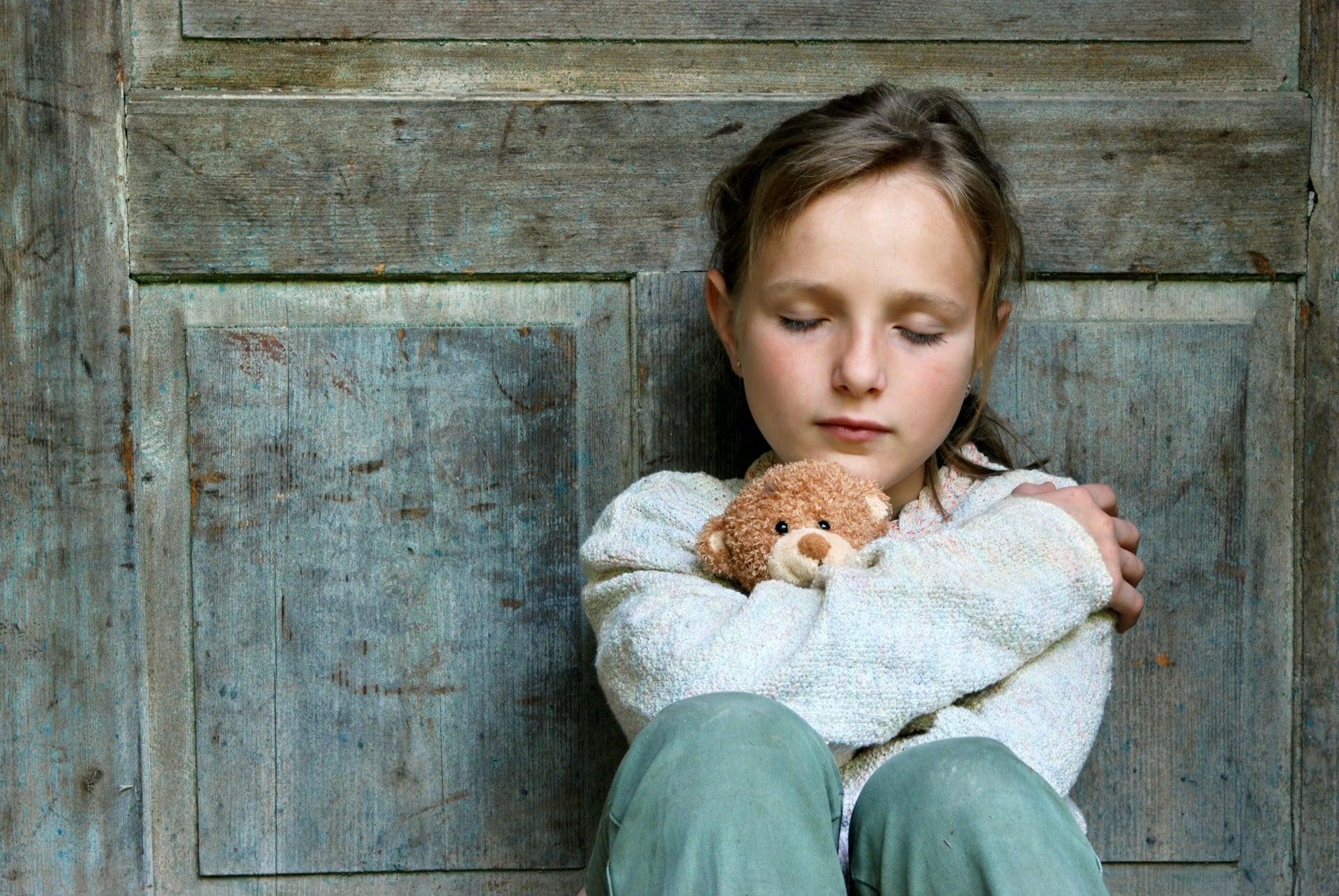
Imagining as a child that our parents aren’t our real parents and that we were adopted as babies is a surprisingly common feeling. But what’s behind it?
Orphanhood is a tragic fate, becoming more widespread worldwide due to wars, famine, and poor healthcare for women. Its impact can be deep and lasting, as many studies show. But orphanhood also has a psychological dimension: it’s a universal archetype in the human psyche. Carl Jung’s theories tell us that archetypes belong not only to individuals but also to our collective unconscious.
Being an orphan means feeling alone in the world, deprived of a mother, father, or both parents. The psychological experience of orphanhood reflects an inner state of abandonment. If anger is the feeling of helplessness, then loneliness and loss are the feelings of orphanhood. We can experience this archetype without actually being orphans, as many children do.
Those who believed as children that they were adopted may still face feelings of orphanhood as adults, signaling there’s healing work to be done with these emotions.
When children appear in our dreams, or when we dream of our inner child, these child figures often represent parts of ourselves we’ve ignored or forgotten but now want to reconnect with. These traits usually relate to innocence, curiosity, and spontaneity. Jungian analyst Kathrin Asper suggests reflecting on these questions when working with the inner child in dreams:
How do I appear in my dreams—as a child or an adult?
What are the children in my dreams preparing for?
How do I treat the children in my dreams?
How do other dream figures treat them?
How do parents and authority figures appear?
Our dreams reveal what’s stirring in our subconscious—stories shaping us that our waking mind doesn’t yet know.
The inner orphan carries feelings of not fitting in, not belonging, and being different from the crowd. This inner orphan suffers from a longing that can’t be fulfilled from the outside. It waits in a hidden corner of our subconscious for our attention and love to save it. When we ignore our own needs for others’, reject parts of ourselves out of fear or shame, or deny the natural desire to be seen, praised, and admired, we create an intrapsychic environment for inner orphans.

We can feel like orphans even within a group, especially in today’s politically divided world.
Carl Jung described cultural complexes as shared sets of unconscious beliefs, attitudes, and emotions. Large social complexes form in the cultural unconscious layers of groups and become cultural complexes. These are emotionally charged clusters of ideas and images that tend to gather around an archetypal core, shared by individuals within an identified collective.
Cultural complexes shape our identity, sense of belonging, lifestyle, and values. When our identity and values clash with the dominant cultural environment, we feel rejected, betrayed, and orphaned.
Becoming aware of these inner orphanhood dynamics can bring healing to the loneliness and grief of the lost child within, but the first step is recognizing the need for self-care and self-love.