When we want to lose weight, many of us dream of perks like clothes fitting better, climbing stairs feeling easier, and maybe even sleeping more peacefully. Plus, we often hear that losing weight can lower the risk of chronic illnesses like heart disease, type 2 diabetes, or certain cancers over time.
Recently, The Healthy highlighted some lesser-known effects of weight loss that can show up in your ears. This might be new to many, and it’s often mistaken for ear pressure changes linked to altitude or flying.
When Weight Loss Becomes "Audible"
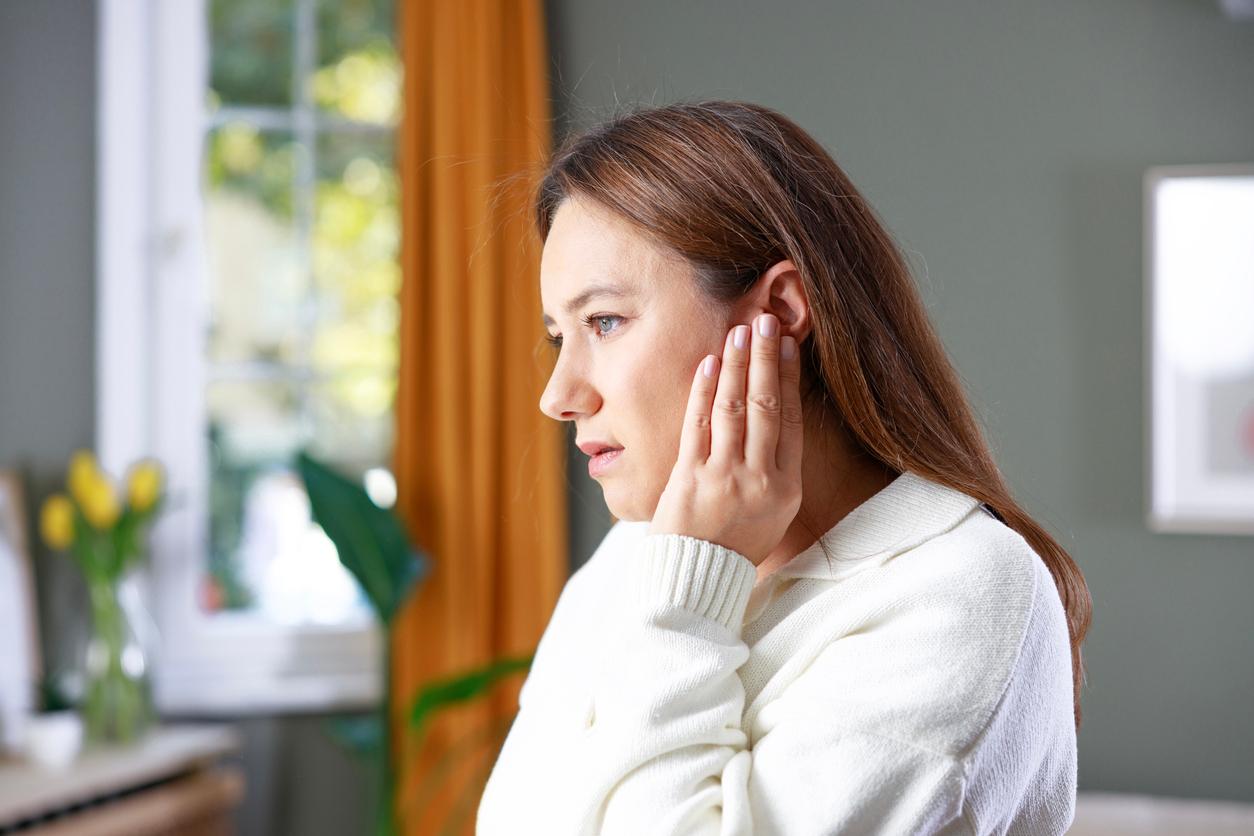
According to Dr. Tonia Farmer, an ear, nose, and throat specialist and head and neck surgeon, losing weight can affect how your Eustachian tube works. This tube connects your middle ear to your nose and throat, constantly balancing pressure. When the muscles around it thin due to weight loss, the tube can stay open more easily, causing uncomfortable sensations like ear pressure, fullness, muffled hearing, and constant popping.
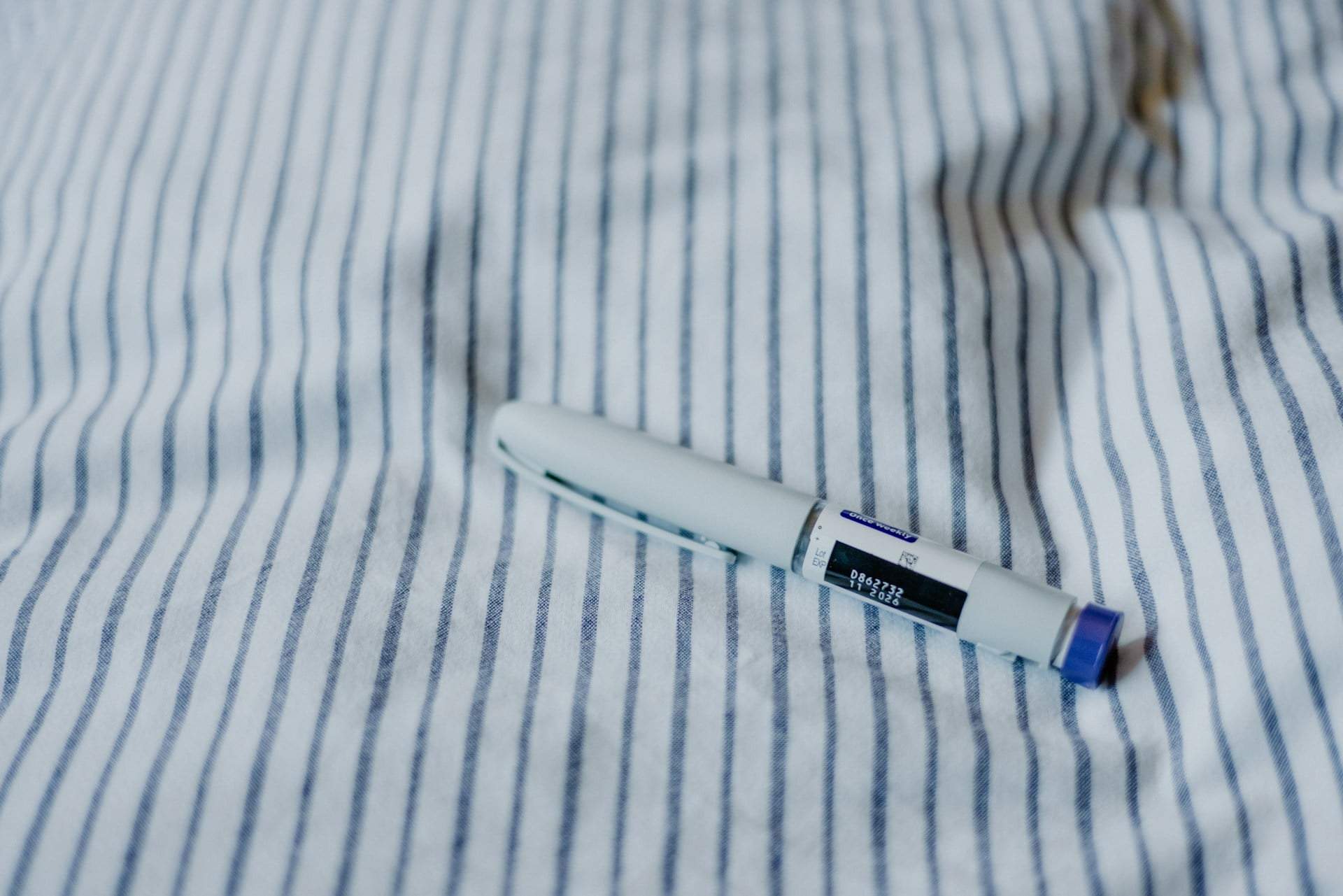
Many associate this feeling only with flying or mountain altitude changes, but rapid weight loss can trigger it too. Dr. Farmer points out it’s especially common for those on GLP-1 medications or who’ve had gastric bypass surgery.
Three Types of Eustachian Tube Disorders
Experts at the Cleveland Clinic categorize Eustachian tube problems into three main types:
- Patulous Eustachian Tube: the tube stays open constantly, often linked to rapid weight loss.
- Obstructed Eustachian Tube: the tube doesn’t function properly, leaving pressure unbalanced.
- Altitude-Related Disorder: a temporary condition during flying, diving, or mountain hikes.
Rapid weight loss mainly affects the patulous tube. One of the most distracting symptoms is autophony—hearing your own voice and breathing amplified, like speaking into a seashell. Those affected say it can completely capture their attention and cause serious daily stress.
How to Ease the Symptoms
Luckily, this issue can be managed. Dr. Farmer shares several options:
- Nasal sprays: saline, antihistamines, hormone, or steroid sprays can help normalize Eustachian tube function.
- Minor medical procedures: in some cases, materials are injected around the tube to physically close it, similar to cosmetic fillers.
- Ear tube insertion: an option for more severe, persistent symptoms.
During intense symptom phases, Dr. Farmer also recommends resting lying down. Keeping your head horizontal increases blood flow to the head, which may relieve pressure. But be mindful, as some positions can worsen symptoms.
When to See a Doctor
If symptoms last longer than two weeks, a specialist evaluation is important. Causes behind Eustachian tube issues might include:
- hormonal changes,
- allergies,
- sinus infections,
- nasal discharge problems, and
- jaw joint disorders.
The most important advice Dr. Farmer offers everyone affected is: don’t hesitate to ask for help! Ear problems are often treatable, and the right steps can restore your peaceful hearing experience.
Everyday Tips
Small changes can make a big difference if your Eustachian tube is struggling after weight loss. Pay attention to your posture: resting with your head supported on a pillow can ease pressure while you relax. Keep your nose and throat healthy with saline rinses or mild nasal sprays to reduce discomfort.
If you’re losing weight quickly, be patient with your body—your Eustachian tube needs time to adjust and work properly again.
And most importantly: don’t be afraid to see a specialist! A quick checkup and good advice can often make your daily life calmer and more comfortable again.