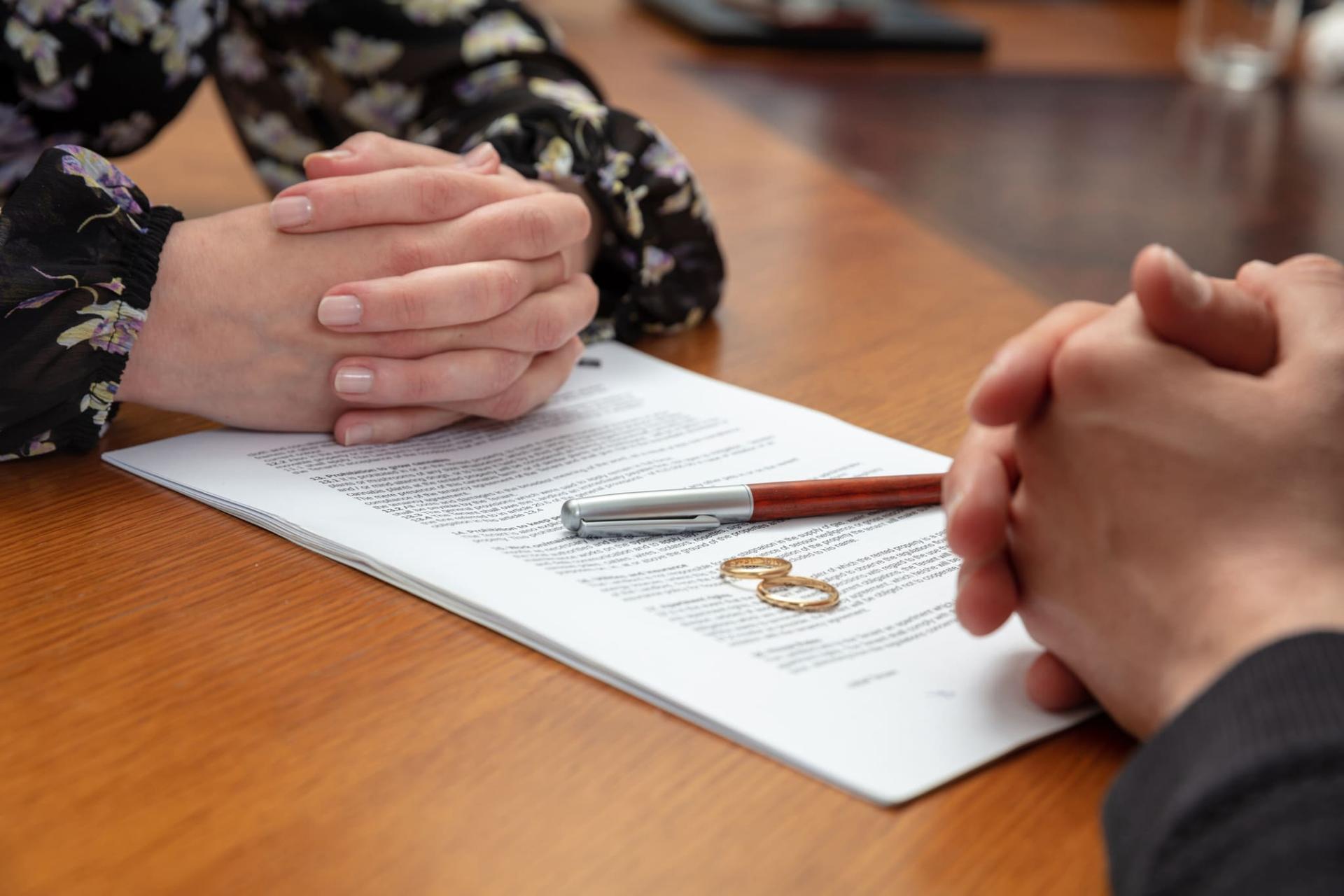
I remember when my parents divorced near the end of my teenage years, many shrugged it off saying, “You’re grown now,” and honestly, I thought I could handle it. But then came countless awkward moments: my parents wouldn’t sit next to each other at important events for me, they never said it outright but I had to choose sides, and they stopped talking altogether — missing out on basic things like my graduation gift…
Those memories faded into the past — or so I thought. It wasn’t until I was well into my 30s that I realized those wounds were still very much there, showing up as clear roadblocks in my life. Because no matter how grown-up you are, when your parents separate, it feels like something you once took for granted is lost forever.
Then Comes a Sobering Study—Addressed Directly to Women
It turns out that more and more people over 50 are choosing divorce. And here’s the kicker: the most common reason for splitting is something that might shock you — it’s when the wife falls ill.
Researchers tracked over 25,000 couples for 18 years and just published their findings. Their study, featured in the February issue of the Journal of Marriage and Family, paints a clear picture of how marriages collapse when long-standing roles suddenly shift.
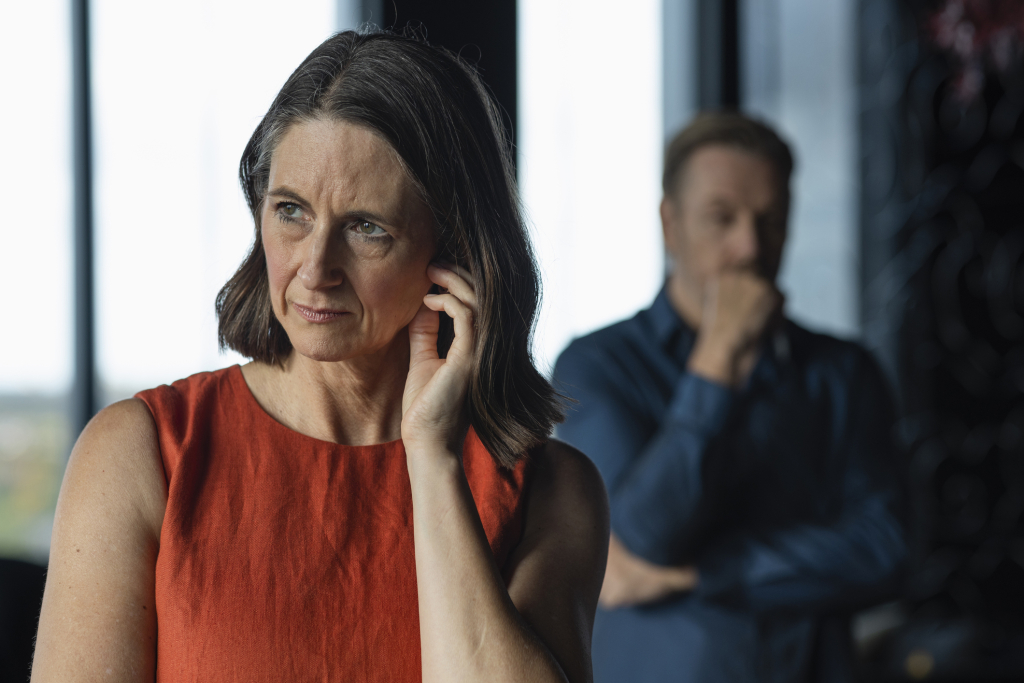
Why Now, and Why Like This?
The study shows that divorces among 50 to 64-year-olds have skyrocketed over recent decades: in the U.S. alone, the rate has doubled since 1989. And Europe isn’t far behind. Countries like England, Belgium, and France show similar or even higher rates. Researchers are now trying to understand why this is happening — and how a wife’s illness fits into the picture.
The data reveals a clear pattern that holds up a mirror to our society.
If the husband falls ill, the chance of divorce barely changes. But if the wife’s health declines — whether due to a serious illness or simply struggling physically — the likelihood of divorce rises significantly.
The Cost of Caregiving
What does this tell us? Mainly that the “in sickness and in health” promise often holds only as long as the woman is the caregiver. She keeps the household running, manages medications, shops, cooks, cleans — often while working and caring for grandchildren. But when she can’t fulfill this role and needs help, many husbands either can’t or won’t step up.
To be clear, this isn’t true for every man, but the statistics paint a strong picture. Our socialization plays a big role — not just for the generation studied, but even for us. We were raised to be nurturing, to avoid “making a fuss,” and to downplay our own pain and needs. Meanwhile, it’s still a challenge to find men who believe household duties and caregiving are shared responsibilities.
It’s no surprise that when the woman falls ill, it can shake the whole family system, and the husband may feel the marriage isn’t working anymore. But in reality, it’s often him who struggles to adapt.
Who Takes Care of You When You’re in Trouble?
This is heartbreaking because when a woman (or anyone) becomes fragile and vulnerable — especially if she’s spent her life caring for others — she truly needs support. Yet the study shows that this is when leaving happens more often. It challenges what real commitment really means.
The burden we carry has been built up over centuries, and when we physically can’t handle it anymore, our marriages start to crack. But love’s true test is whether we can rethink, adapt, and be there for each other in new ways.